What is a wire mesh filter and how does it work?
In the industrial filtration world, a wire mesh filter is invaluable. Dr. Emily Carter, a leading expert in filtration technology, states, "Wire mesh filters provide a reliable solution for separating solids from liquids." This statement underscores the critical role these filters play in various applications.
Wire mesh filters consist of woven metal strands. They effectively trap particles while allowing liquid to pass through. Their design ensures durability and reusability. Many industries, including pharmaceuticals and food processing, utilize these filters for their efficiency. The low maintenance and high performance make them popular choices.
However, not all wire mesh filters are created equal. The mesh size should be selected carefully. An incorrect choice can lead to unfiltered contaminants. This consideration can easily be overlooked. Manufacturers must ensure they meet specific standards. Ultimately, understanding how a wire mesh filter operates enhances its application.
What is a Wire Mesh Filter?
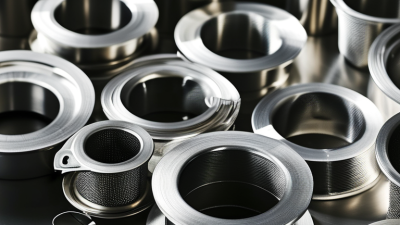
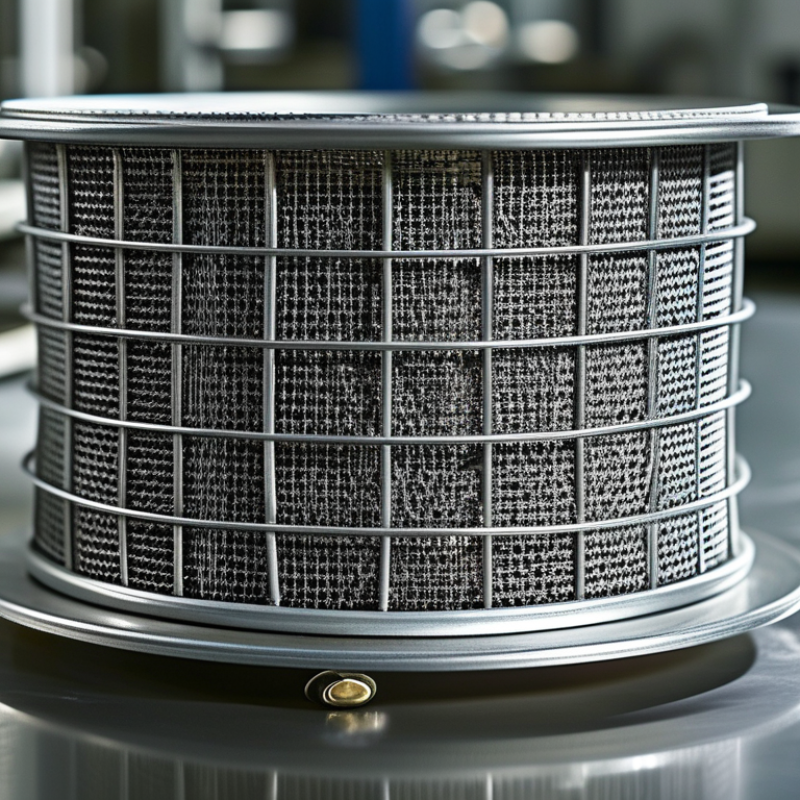
A wire mesh filter is a crucial tool used in various industries. It consists of interwoven metal wires that create a sturdy filtration medium. This design allows for effective separation of solids from liquids or gases. Many applications benefit from its durability and versatility.
The construction of a wire mesh filter is often tailored to specific needs. The mesh size can vary, allowing it to capture particles of different dimensions. They are commonly found in water treatment, food processing, and various manufacturing processes. The reliability of these filters contributes to both product quality and system efficiency.
While wire mesh filters offer many advantages, they also come with challenges. For instance, the mesh can clog with fine particles, requiring regular maintenance. Additionally, improper selection of mesh size may lead to ineffective filtration. These factors remind us to approach filtration choices with careful consideration and a willingness to adapt.
Wire Mesh Filter Efficiency by Particle Size
Types of Wire Mesh Filters and Their Applications
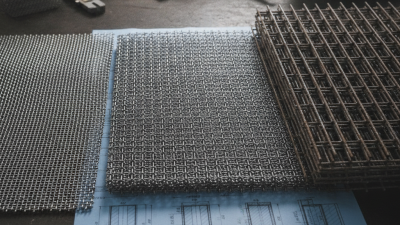
Wire mesh filters come in various types, each tailored for specific applications across industries. One common type is the woven wire mesh filter, often used in fluid filtration. These filters allow liquids to pass through while trapping solid particles. According to a recent report by Research and Markets, the global market for industrial filtration is projected to grow significantly, driven by increasing demand for clean water and efficient liquid processing.
Another prominent category is the welded wire mesh filter. This filter is known for its durability and strength, making it suitable for harsh environments. It is frequently used in mining and waste management settings. The choice between woven and welded depends on the level of filtration required and the nature of materials being filtered. The filtration efficiency can vary, impacting operational costs and maintenance.
Despite the effectiveness of wire mesh filters, challenges remain. Over time, clogging can occur, requiring regular maintenance. Additionally, incorrect mesh sizes can lead to inefficient filtration. Understanding these nuances is crucial for optimizing use in industrial processes. A comprehensive approach to selecting and maintaining filters can significantly enhance system performance.
How Wire Mesh Filters are Constructed
Wire mesh filters serve critical functions in various industries. These filters are made by weaving thin wires together to create a mesh. The number of openings per inch defines the filter’s efficiency and application. Typically, the mesh size impacts particle retention. For instance, a mesh with 100 openings per inch can trap particles as small as 150 microns.
Constructing a wire mesh filter involves selecting the right wire material. Stainless steel is common due to its corrosion resistance and strength. The wire diameter also varies, which affects the filter's durability. According to the International Filtration Association, over 25% of industrial applications utilize wire mesh filters for their robust performance and longevity. Proper grading and tensioning during installation are crucial for maintaining the desired filtration standards.
While wire mesh filters are effective, they are not flawless. Clogging is a potential issue, especially in high-debris environments. This requires periodic cleaning and maintenance to ensure optimal performance. Additionally, improper selection of mesh type can lead to reduced efficiency. Continuous advancements in material engineering are addressing these challenges. More robust designs are emerging to enhance filtration effectiveness while minimizing maintenance efforts.
What is a wire mesh filter and how does it work? - How Wire Mesh Filters are Constructed
| Dimension |
Material |
Mesh Size (microns) |
Application |
Filtration Efficiency (%) |
| 10 x 10 cm |
Stainless Steel |
100 |
Food Processing |
95 |
| 15 x 15 cm |
Aluminum |
200 |
Water Filtration |
90 |
| 20 x 20 cm |
Carbon Steel |
300 |
Chemical Processing |
85 |
| 12 x 12 cm |
Bronze |
150 |
Oil Filtration |
92 |
| 25 x 25 cm |
Plastic |
50 |
Air Filtration |
75 |
The Working Principle of Wire Mesh Filters
Wire mesh filters are essential tools used in various industries. They work primarily through a simple yet effective principle: filtration. The filter consists of a mesh made from woven metal or synthetic fibers. This mesh traps particles while allowing fluids or gases to pass through. The size of the mesh openings determines the filter's effectiveness for different applications.
A wire mesh filter operates by creating a barrier. As the fluid moves through the mesh, larger particles get stuck while smaller ones can flow freely. Over time, the trapped particles can accumulate, impacting the filter's flow rate and efficiency. Regular maintenance is vital to ensure continued performance. Cleaning or replacing the filter can enhance its lifespan and maintain optimal filtration.
When selecting a wire mesh filter, consider the mesh size and material. Different applications require different specifications. Always ensure the chosen filter matches the type of fluid being processed. This attention to detail can greatly affect the system's performance and efficiency.
It’s also important to monitor the filter's operation regularly. Filtering conditions can change based on external factors like temperature or pressure. An understanding of these variables allows for better adjustments and prolongs the filter’s functionality. Remember, an improperly maintained filter can lead to unexpected failures. Keep a close eye on your system.
Common Uses of Wire Mesh Filters in Various Industries
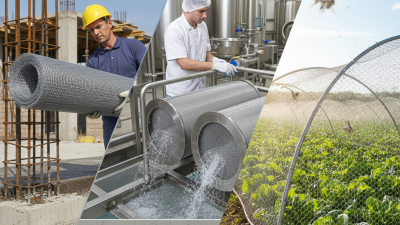
Wire mesh filters are essential tools used across various industries. In food processing, for instance, they ensure that impurities are removed from liquids. A wire mesh filter traps solid particles while allowing liquids to pass through. This process is crucial in maintaining hygiene standards in food production. It is a simple yet effective method to enhance product quality.
In the automotive industry, wire mesh filters play a vital role in oil filtration. They help to remove contaminants from engine oil, ensuring smooth operation. A clean engine runs efficiently and reduces wear over time. However, improper maintenance of these filters can lead to reduced performance. Many companies overlook the importance of regular checks, which can be costly in the long run.
In the water treatment sector, wire mesh filters assist in purifying drinking water. They prevent larger particles from entering the system. This filtration method is commonly used in municipal water supplies. But not all wire mesh filters are created equal. Some may need upgrading or cleaning more frequently depending on the source water quality. Regular assessments are necessary to keep systems functioning properly.