What is the Best Stainless Steel Mesh Screen for Your Needs?
Choosing the right stainless steel mesh screen is crucial for various applications. It can make a significant difference in performance and durability. Stainless steel mesh screens come in different grades, sizes, and configurations. Understanding your specific needs ensures you select the most suitable option.
A high-quality stainless steel mesh screen can enhance filtration processes. It offers corrosion resistance and strength. However, the wrong choice can lead to inefficiencies and increased maintenance costs. Assessing the environment and use case is essential. Consider factors like temperature and exposure to chemicals.
Many users overlook the importance of wire diameter and mesh opening. These details affect airflow and filtration capability. Finding a balance between durability and function can be challenging. Selecting the perfect stainless steel mesh screen requires careful thought and sometimes trial and error.
Understanding Stainless Steel Mesh Screen Types and Their Applications
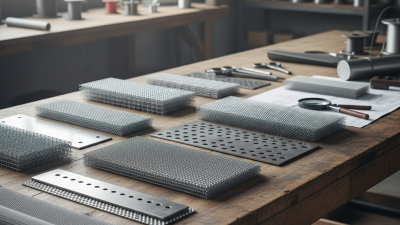
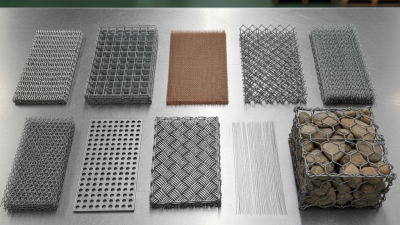
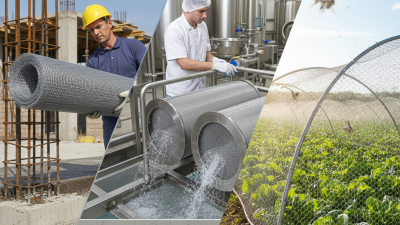
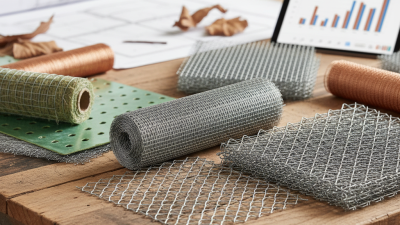
Stainless steel mesh screens come in various types, each suited for specific applications. Knowing the right type for your needs can enhance performance. Common types include welded mesh, woven mesh, and perforated sheets. Welded mesh is durable and strong, making it ideal for fencing and industrial applications. Woven mesh offers flexibility and is often used in filtration systems, while perforated sheets provide excellent airflow and are popular in architectural designs.
When choosing a stainless steel mesh screen, consider the wire diameter and opening size. A finer mesh will filter smaller particles but may restrict airflow. Conversely, a coarser mesh allows for better ventilation but may not contain dust effectively. Evaluate your specific needs before making a decision.
Selecting the right mesh can be a trial-and-error process. Don't hesitate to test different types to discover what works best for your project. Remember, what works for one application may not suit another. Introducing variations, such as weave patterns, can also affect performance. Always keep your specific requirements in mind to achieve optimal results.
Stainless Steel Mesh Screen Types and Their Applications
Key Factors in Selecting the Right Stainless Steel Mesh Screen
When selecting a stainless steel mesh screen, it is essential to consider several key factors.
The mesh size is crucial, as it affects filtration efficiency. A finer mesh catches smaller particles, while a coarser mesh allows for better airflow. Assess your specific needs to identify the right balance between filtration and ventilation. Choosing the correct wire diameter is equally important. Thicker wires increase strength but may reduce flexibility. Thinner wires offer more adaptability but can be prone to damage.
Durability and corrosion resistance are vital. Stainless steel offers excellent resistance to rust and other environmental factors. Ensure the alloy grade suits your application, especially in harsher conditions.
Consider the weave pattern as well. Different weaves affect flexibility and performance. A twill weave may enhance strength, while a plain weave offers simplicity.
Reflecting on your application is critical. Some users may overlook functionality and focus too much on appearance. This can lead to suboptimal choices. Be prepared for trial and error in finding the ideal mesh. Testing different options can help you better understand how they perform in real-world conditions. Understanding these factors will guide you to select a stainless steel mesh screen that truly meets your needs.
Industry Standards and Specifications for Quality Mesh Screens
When selecting a stainless steel mesh screen, it's essential to understand the industry standards and specifications. These standards ensure quality and reliability, vital for performance in various applications. The most common specifications to consider include pore size, wire diameter, and opening shapes. A mesh screen's effectiveness largely depends on these factors, influencing filtration efficiency and durability.
Quality assurance in mesh screens often relies on material grades and manufacturing processes. Materials like 304 or 316 stainless steel are preferred for their corrosion resistance. However, the manufacturing process also plays a significant role. Regular checks should be implemented to ensure consistency in mesh integrity. Failure to adhere to these specifications can lead to issues in functionality and longevity, often requiring costly replacements.
Not every mesh screen meets every need. Some applications may demand tighter tolerances or specific shapes. It’s crucial to assess individual requirements carefully. While industry standards provide a baseline, the best choice often involves detailed analysis and sometimes, a bit of trial and error. Gathering feedback from trusted sources can offer insights, but initial choices may lead to unexpected challenges. Being aware of these nuances is vital for making informed decisions.
Comparative Analysis of Wire Diameter and Mesh Size
Selecting the right stainless steel mesh screen involves understanding wire diameter and mesh size. Wire diameter affects the screen's strength and durability. Thicker wire typically provides greater strength, making the screen more suitable for heavy-duty use. A study by the American Society for Testing and Materials (ASTM) indicates that wire diameters ranging from 0.16 mm to 1.6 mm are common in industrial applications, offering a balance between flexibility and robustness.
Mesh size, defined as the number of openings per linear inch, alters filtration efficiency. A finer mesh captures smaller particles, while a coarser mesh allows for faster flow rates. Research published in the Journal of Industrial and Engineering Chemistry highlights that the optimal mesh size varies by application. For instance, a mesh size of 200 microns may be ideal for food processing, while 50 microns works well in paint production. However, achieving the perfect balance can be challenging. Too fine a mesh may clog easily, requiring frequent cleaning or replacement.
Understanding both factors is key in making the right choice. Different industries necessitate unique mesh specifications. A wrong selection can lead to inefficiencies. Consider your specific needs when evaluating options. Testing various configurations may provide insights that manufacturer's data cannot fully convey. Always weigh the implications of your choices in context.
Maintenance Tips for Optimal Performance of Stainless Steel Mesh Screens
Stainless steel mesh screens are versatile. They serve various purposes, from filtration to protection. To ensure optimal performance, regular maintenance is essential.
Cleaning the screens regularly helps prevent clogging. Use a soft brush or cloth to remove dust and debris. A mild detergent can also help with tougher stains. Rinse thoroughly to avoid any residue.
Check for wear and tear frequently. Inspect for rust or damage, as these can reduce efficiency. If you notice a significant decline, consider replacing the mesh. A proactive approach can save time and effort later.
Regular maintenance keeps your stainless steel mesh screens in top shape, ensuring they last longer and perform better.