How to Choose the Best Woven Steel Mesh for Your Needs?
Choosing the right woven steel mesh is crucial for various applications, including construction, manufacturing, and filtration. According to a report by Grand View Research, the global steel mesh market is expected to reach USD 1.8 billion by 2026, demonstrating significant growth. This highlights the increasing demand for high-quality woven steel mesh solutions across industries.
When selecting woven steel mesh, several factors must be considered. The mesh's wire diameter, opening size, and material grade all affect its performance. For example, a finer mesh can offer better filtration, while a thicker wire provides enhanced durability. However, it's essential to balance these features based on your specific needs and budget. Misjudging these parameters can lead to suboptimal results, leading to potential safety hazards or inefficient processes.
Moreover, not all suppliers offer the same quality. Researching reputable manufacturers can ensure you receive reliable products. Be wary of claims that seem too good to be true; industry standards matter. Experienced professionals often recommend assessing certifications and reviews before making a decision. Investing time in choosing the right woven steel mesh can significantly impact your project's success and longevity.
Understanding Woven Steel Mesh Types: A Comparative Overview
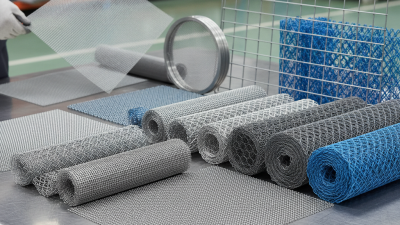
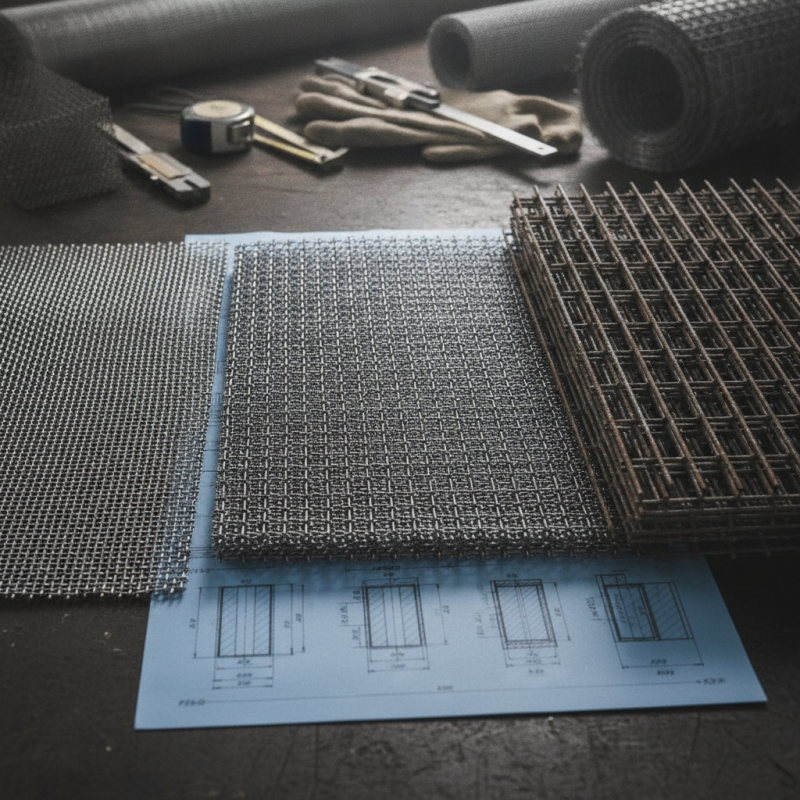
When selecting woven steel mesh, understanding the different types is crucial. Woven steel mesh can vary in material, weave pattern, and application. Common types include plain weave, twill weave, and Dutch weave. Each type offers unique strengths and benefits suited to specific requirements.
Plain weave is common for general applications. It provides good strength and flexibility, making it ideal for filtration and protective barriers. Twill weave, on the other hand, features a more complex pattern. This results in enhanced strength and a tighter mesh, which is excellent for mining and food processing industries. Dutch weave combines elements of both, delivering high tensile strength and fine filtration, often used in petrochemical and pharmaceutical sectors.
Tips: Always determine your specific needs before choosing a type. Assess factors like wire diameter and spacing for optimal performance. Consider durability ratings from recent studies and reports. Industry data suggests that woven steel mesh can last significantly longer if properly chosen and maintained. Keep in mind that an over-specified mesh could lead to higher costs and unnecessary complexity. Evaluate your options carefully, ensuring you're not overspending on features you may not need.
Key Considerations for Selecting Woven Steel Mesh Specifications
Choosing the right woven steel mesh can greatly impact your project's success. Begin with understanding the mesh's weave pattern. Different patterns affect strength and flexibility. A tighter weave boosts durability, while a looser one may allow for better airflow. Identify the specific application for your needs. Is it for construction, filtration, or security?
Next, consider the material's wire diameter. Thicker wires generally offer greater strength, but they can be heavier. Light wires may be easier to handle but could compromise structural integrity. Assess environmental factors too. Corrosive environments require specialized coatings for longevity. Explore options based on these considerations, and evaluate them against your requirements.
Lastly, think about mesh size. Smaller openings enhance particle retention, while larger openings may facilitate better flow. Some users overlook this aspect, leading to suboptimal performance. Verify if the specifications meet your project's standards. Making informed choices leads to better outcomes, but it’s crucial to reflect on each detail. Each project may reveal something new about woven steel mesh. Engaging with experienced professionals can also provide additional insights.
Analyzing Material Strength: The Importance of Wire Diameter in Mesh
When selecting woven steel mesh, material strength is paramount. Wire diameter significantly impacts overall performance. According to industry reports, a thicker wire offers greater tensile strength. For instance, a mesh with a wire diameter of 0.047 inches can withstand up to 1,500 pounds of tensile force. This capability is essential in structural applications, where durability is crucial.
Additionally, the balance between wire diameter and mesh opening size can be tricky. A larger opening might reduce material strength. However, for filtration applications, maintaining adequate flow is vital. This raises questions: how much strength is necessary for your specific use? An optimal choice often requires compromise. Some may lean toward sturdiness while others prioritize airflow.
The choice of wire diameter is context-dependent. A finer mesh might suffice for low-stress environments, while heavy-duty applications demand thicker wire. It's essential to assess the specific requirements of your project thoroughly. Considering factors like environmental conditions and load-bearing needs can refine your decision. Seek expert advice or consult databooks for reliable information. This can lead to a well-informed selection process tailored to your requirements.
Assessing Aperture Size: Balancing Filtration and Support Needs
When selecting woven steel mesh, aperture size is crucial.
It determines both filtration efficiency and structural support. A mesh with larger apertures allows for better flow but may compromise the strength. Smaller apertures filter finer particles but may restrict fluid movement. Consider what is vital for your specific application.
Tips:
Determine your primary goal. If filtering is the priority, prioritize smaller sizes. If structural support is key, consider larger apertures. Always evaluate the medium that will pass through the mesh.
Remember that the right choice is not always the most obvious one. Smaller openings may clog quickly in certain conditions, leading to maintenance issues.
Balance your filtration needs with the required support.
Before finalizing your decision, reflect on the operational environment.
Testing various mesh sizes can provide practical insights.
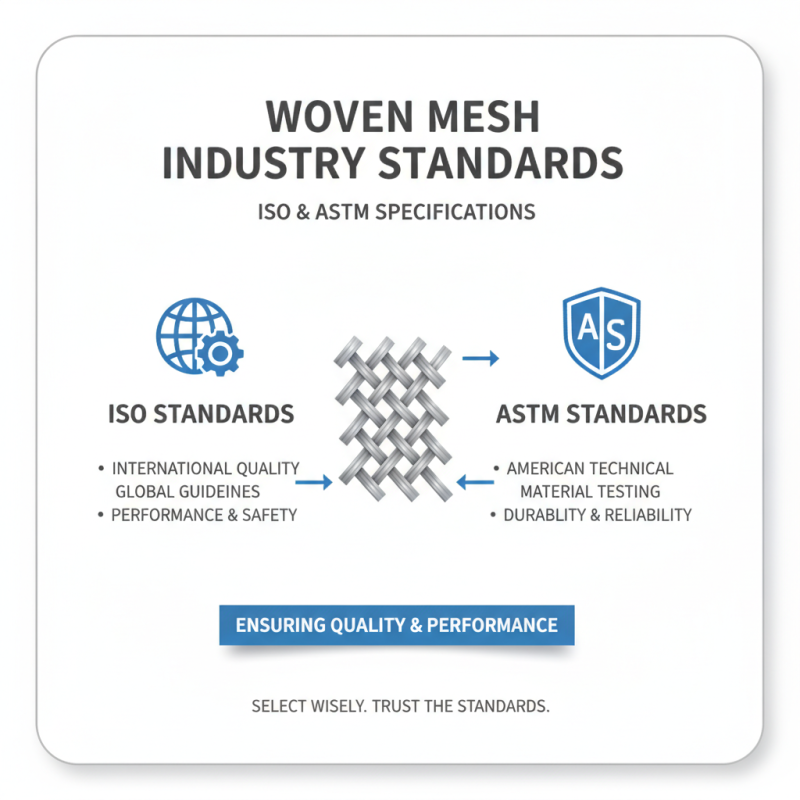
Evaluating Industry Standards: ISO and ASTM Specifications for Woven Mesh
When selecting woven steel mesh, understanding industry standards is crucial. The International Organization for Standardization (ISO) and the American Society for Testing and Materials (ASTM) set important guidelines. These standards ensure the quality and performance of woven mesh products.
ISO 9001, for example, focuses on quality management systems. Compliance with this standard indicates a commitment to consistent quality. Similarly, ASTM A428 covers the specifications for welded steel wire fabric. It highlights key criteria, including tensile strength and mesh opening sizes. Such specifications help in assessing the suitability of woven mesh for different applications.
However, not all products meet these rigorous standards. Some manufacturers may cut corners, leading to compromised performance. Reports indicate that around 30% of woven mesh on the market fails to meet these essential criteria. Buyers should remain vigilant and request certifications. Understanding these standards can enhance the decision-making process, ensuring the chosen woven steel mesh will fulfill specific requirements effectively.