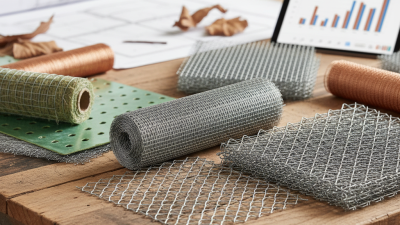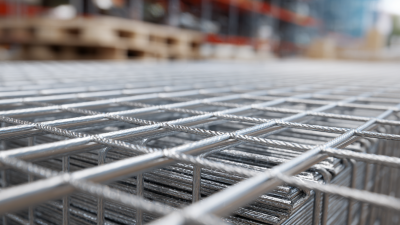

Why Choose Woven Mesh for Global Sourcing?

Choosing woven mesh for global sourcing requires more than comparing prices on a spreadsheet. It requires evidence, testing, and practical judgment. Mesh can look identical in photographs, yet perform differently in production. Wire diameter, aperture size, weave pattern, tensile strength, and surface finish all influence reliability.

Materials expert Dr. W. D. Callister Jr. offers a useful principle: “The properties of materials are determined by their structure.” This idea applies directly to woven mesh. A small variation in wire thickness can change filtration accuracy, airflow, flexibility, or service life. Buyers should request technical drawings, material certificates, inspection records, and production samples before approving a supplier.

Global sourcing can provide broader capacity, stable specifications, and competitive costs. It may also support specialized stainless steel, nickel alloy, or polymer mesh requirements. Yet the lowest quotation is rarely the complete answer. Freight damage, inconsistent apertures, unclear packaging, and long replacement cycles can erase the original savings.

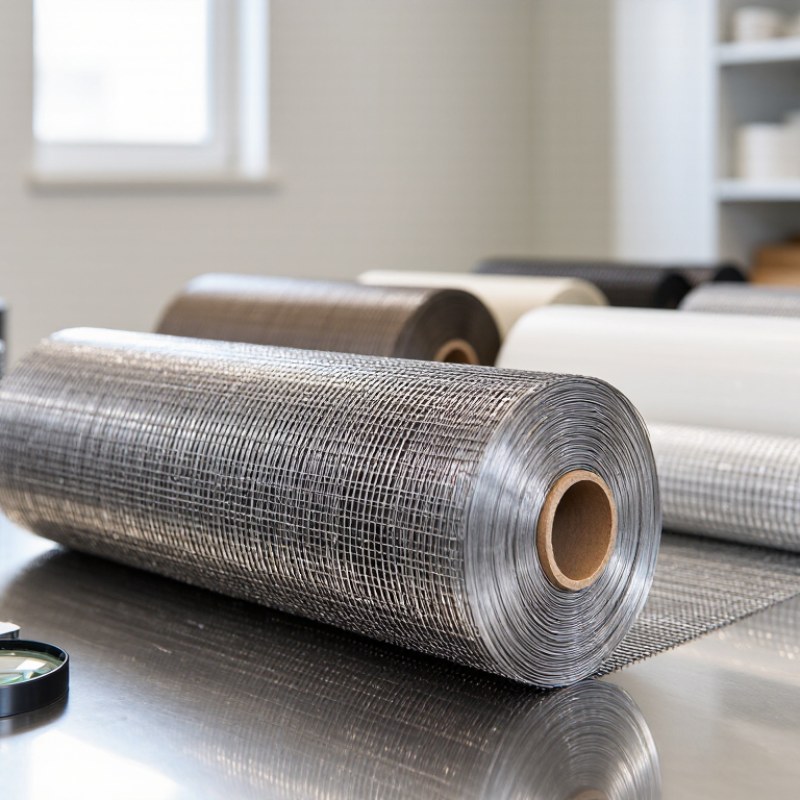
Real experience matters here. A sample roll should be measured with calibrated equipment. Its edges should be checked for loose wires. Packaging should survive stacking, moisture, and ordinary warehouse handling. Supplier audits can reveal details that documents miss.

Perfection is not realistic. Even experienced buyers can overlook a minor tolerance issue. That is why a written inspection plan matters. It creates a repeatable decision process.

With careful qualification, woven mesh becomes more than a purchased component. It becomes a dependable part of a controlled global supply chain.
Why Choose Woven Mesh for Global Sourcing?

What Is Woven Mesh and How Is It Made?

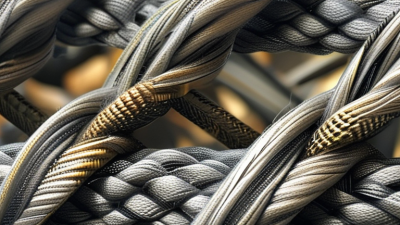
Woven mesh is a grid of interlaced metal wires. Its openings are created by crossing warp wires with weft wires. Wire diameter and aperture size control strength, airflow, and filtration performance. Common patterns include plain weave, twill weave, and Dutch weave. Each suits different operating conditions.

Production begins with metal rod drawing. The rod passes through dies until it reaches a controlled diameter. Manufacturers may anneal the wire to reduce brittleness. The prepared wires then enter a loom, where tension must remain stable. Small errors can change the final aperture. That detail matters in filtration and screening.

The World Steel Association reported 1.882 billion tonnes of crude steel production in 2024. This broad supply base supports global mesh sourcing, but material quality still varies by specification. ISO 9044 defines requirements for industrial woven wire cloth, while ASTM E2016 addresses wire-cloth specifications and testing. Buyers should verify mesh count, wire diameter, opening tolerance, material grade, and surface condition. A low quotation can hide inconsistent weaving or weak traceability. I have seen drawings look precise while actual samples reveal uneven tension. Sampling is not bureaucracy. It is practical risk control. Sourcing teams should also request inspection records and corrosion-resistance data before approving production. Some assumptions deserve another check.

Key Performance Benefits of Woven Mesh

When engineers evaluate woven mesh, performance begins with predictable geometry. Each wire crosses another at a controlled interval, creating stable openings for screening, separation, protection, or airflow. That repeatable structure supports consistent filtration across production batches. Mesh can also provide useful strength without becoming unnecessarily heavy. In equipment enclosures, it allows ventilation while helping block larger particles and accidental contact. In processing systems, the selected aperture influences flow resistance, capture efficiency, and cleaning frequency. Small changes matter.

Material selection is equally important. Stainless steel handles demanding environments, while carbon steel may suit controlled conditions and cost-sensitive applications. The right choice depends on temperature, moisture, chemical exposure, loading, and expected service life. Woven mesh is also easy to inspect. Operators can check blocked openings, damaged wires, and uneven tension with a simple visual review. For international sourcing, clear drawings, aperture tolerances, wire diameter, weave pattern, and test records reduce misunderstandings between buyers and suppliers. A practical specification should state measurable requirements, not vague terms such as “heavy duty.” Independent sampling can verify dimensions and tensile performance before shipment. It is not a universal solution. Very abrasive service or extreme vibration may demand another construction. That limitation deserves attention.

Why Choose Woven Mesh for Global Sourcing? - Key Performance Benefits of Woven Mesh

Performance Dimension Typical Woven Mesh Capability Key Benefit for Global Sourcing Practical Considerations
Opening and Filtration Control Mesh is specified by wire diameter and mesh count, allowing a repeatable opening size. Fine metal meshes can be produced with openings measured in micrometres. Supports consistent separation, screening, and particle-control performance across production batches. Actual filtration performance depends on aperture size, wire diameter, weave pattern, fluid properties, and operating conditions.
Mechanical Strength Metal wires are interlocked through a regular over-under structure. Stainless steel and other alloy meshes can provide high tensile and abrasion resistance. Suitable for demanding handling, vibration, screening, guarding, and support applications. Load capacity varies with material grade, wire diameter, mesh width, edge treatment, and installation method.
Temperature Resistance Metal woven mesh generally withstands higher temperatures than polymer mesh. The usable temperature range is determined primarily by the alloy and service environment. Enables use in heat-treatment, filtration, combustion, drying, and high-temperature processing systems. Maximum service temperature should be confirmed for the selected alloy, atmosphere, stress level, and exposure duration.
Corrosion Resistance Stainless steel, nickel-based alloys, copper alloys, and other corrosion-resistant materials are available for different environments. Allows material selection to match moisture, chemicals, salt exposure, and process conditions. Corrosion resistance is material-specific; chloride concentration, acidity, temperature, and galvanic contact must be evaluated.
Dimensional Stability The woven structure maintains a defined geometry when correctly tensioned and supported. Metal mesh has low moisture absorption compared with many textile alternatives. Helps maintain repeatable openings and fit during storage, transportation, and service. Excessive tension, impact, unsupported spans, and thermal expansion can affect flatness or dimensions.
Air and Fluid Permeability Open-area percentage can be adjusted through mesh count and wire diameter. More open designs generally provide lower flow resistance. Makes woven mesh useful for ventilation, gas diffusion, drainage, fluid distribution, and flow-through barriers. Pressure drop depends on open area, mesh geometry, flow velocity, fluid viscosity, and fouling.
Design Flexibility Available constructions include plain weave, twilled weave, Dutch weave, and multiple wire materials and diameters. One sourcing category can support filtration, reinforcement, screening, shielding, and architectural applications. The weave and material should be selected according to strength, aperture, permeability, surface finish, and forming requirements.
Fabrication and Integration Woven mesh can be cut, formed, rolled, pleated, welded, soldered, or incorporated into cartridges and panels, depending on the material. Simplifies integration into assemblies and supports both standard components and engineered formats. Fabrication tolerances and joining methods can influence the final aperture, strength, and corrosion performance.
Electrical and EMI Performance Conductive metal mesh can provide electrical continuity and, when properly designed and grounded, can attenuate electromagnetic interference. Supports grounding, shielding, conductive filtration, and static-control requirements. Shielding effectiveness depends on frequency, aperture geometry, seams, grounding, enclosure design, and installation quality.
Cleanability and Reuse Many metal meshes can be cleaned by air, water, ultrasonic methods, brushing, or approved chemical processes. Can reduce replacement frequency in applications where cleaning and maintenance are practical. Cleaning compatibility must be checked against the alloy, contamination type, temperature, pressure, and chemical agent.
Quality Verification Common inspection parameters include mesh count, wire diameter, aperture, open area, width, length, flatness, and visual condition. Clear measurable specifications make supplier qualification and incoming inspection more consistent across regions. Inspection methods and tolerances should be agreed before purchase and documented in the technical specification.
Supply-Chain Versatility Woven mesh is manufactured in a broad range of materials, sizes, weave patterns, rolls, sheets, discs, and fabricated parts. Provides sourcing flexibility when local availability, application requirements, or material regulations differ by market. For international procurement, confirm material certificates, dimensional tolerances, packaging, labeling, and applicable import requirements.

Note: Performance values are application-dependent. Final specifications should be confirmed through engineering review, material certificates, dimensional inspection, and application-specific testing.

How Woven Mesh Supports Global Sourcing

Woven mesh gives global sourcing teams a practical balance of strength, flexibility, and measurable quality. Its interlaced wires create predictable openings across large production runs. That consistency matters when suppliers work across countries and facilities. A procurement engineer can compare aperture, wire diameter, alloy, and finish on one specification sheet. Small details matter. A mesh panel that looks identical may perform differently after cutting, bending, or heat exposure.

In daily sourcing, woven mesh supports clear sampling and repeatable inspection. Teams can request measured samples, check opening size with calipers, and record surface condition under steady light. Photographs help, but they do not replace dimensional checks. For shipments, mesh can be packed with separators to reduce scratches and edge distortion. That simple step protects usable area during long handling routes. Material certificates, batch records, and inspection reports also improve traceability. Requirements still vary by application and destination.

However, woven mesh is not automatically the best choice. Very fine openings may slow production and create cleaning concerns. Heavy mesh can increase freight weight. Field sourcing reviews often reveal specifications becoming too ambitious, especially when teams copy old drawings without reviewing actual use. A better approach is testing a realistic sample under working conditions. Check airflow, load, corrosion exposure, and installation tolerance before approving volume production. Supplier communication should remain documented, specific, and honest about limitations.

Why Choose Woven Mesh for Global Sourcing?

Standardized mesh designations make woven mesh easier to specify, compare, and source across international markets. The chart shows nominal aperture sizes associated with common ASTM E11 test sieve designations.

Smaller apertures support finer separation, while standardized mesh numbers help buyers communicate technical requirements consistently with suppliers worldwide. Actual woven-mesh performance also depends on wire diameter, material, weave, and tolerances.

Factors for Comparing Woven Mesh Suppliers

Why Choose Woven Mesh for Global Sourcing?

Factors for Comparing Woven Mesh Suppliers

Woven mesh offers consistent apertures, flexible specifications, and efficient shipment packing. These advantages matter when sourcing across borders. UNCTAD’s Review of Maritime Transport 2023 reports that over 80% of global merchandise trade by volume moves by sea. Therefore, supplier reliability affects more than unit price. It affects inventory, production schedules, and customer commitments.

Compare suppliers through measurable specifications. Check wire material, mesh count, aperture tolerance, tensile strength, weave pattern, and surface treatment. Ask for recent test reports and batch traceability records. ISO’s 2023 Survey recorded more than 1.2 million ISO 9001 certificates worldwide. Certification helps, but it does not replace sample inspection. A certificate is not a guarantee.

Test the actual mesh.

Evaluate sample consistency across several rolls, not one piece. Confirm roll length, edge condition, packaging, moisture protection, and labeling. Compare minimum order quantities, production capacity, lead times, and shipment terms. UNCTAD also highlights the sensitivity of global trade to port congestion and supply disruptions. A supplier with clear contingency planning deserves closer attention. Low prices can hide weak traceability or unstable delivery. That assumption needs review. I would score quality, communication, documentation, and total landed cost separately. No scorecard is perfect, but written evidence makes supplier decisions more defensible.

Common Industrial Applications of Woven Mesh

Why Choose Woven Mesh for Global Sourcing?

Common Industrial Applications of Woven Mesh

Woven mesh supports filtration, screening, separation, and airflow control across industrial facilities. Its uniform openings help engineers specify repeatable particle sizes. Stainless steel grades also resist heat, moisture, and many process chemicals.

USD 63.3 billion
The industrial filtration market may reach this value by 2028.
USD 41.8 billion
The reported market value in 2023.

According to MarketsandMarkets, the industrial filtration market may reach USD 63.3 billion by 2028, rising from USD 41.8 billion in 2023. That growth reflects stronger demand for reliable filter media.

In mineral processing, woven mesh screens classify crushed stone and mineral powders. A square opening can separate coarse particles from fine material. Food processors use fine mesh for flour, sugar, and liquid straining.

Pharmaceutical equipment often requires tightly controlled apertures and cleanable surfaces. Petrochemical plants use woven mesh in mist eliminators, support layers, and protective guards.

It works quietly.

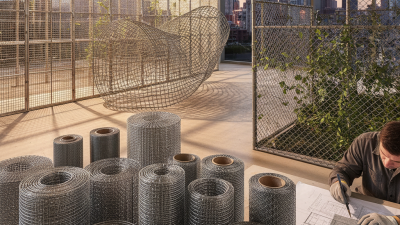
Architecture adds another visible application. Mesh panels can cover façades, stairways, ventilation openings, and machine enclosures. They provide airflow while reducing accidental contact with moving parts. The U.S. Census Bureau reported continued growth in manufacturing construction spending during 2023, supporting demand for practical industrial components.

However, sourcing decisions should not rely on appearance alone. Wire diameter, weave pattern, open area, and testing records affect real performance.

A common mistake is choosing the lowest quoted price. It can increase replacement costs.

I have seen specifications overlook edge finishing and tension control. Those details matter during installation.

ASTM and ISO test methods can improve supplier comparisons, but documentation still needs careful review.

The best mesh is not always the finest mesh.