How to Choose the Best Woven Wire Mesh for Your Needs?
Choosing the right woven wire mesh can be challenging. Each application requires careful consideration. Expert James Carter from Mesh Solutions emphasizes, “The wrong mesh can lead to inefficiency.” His statement resonates deeply within the industry.
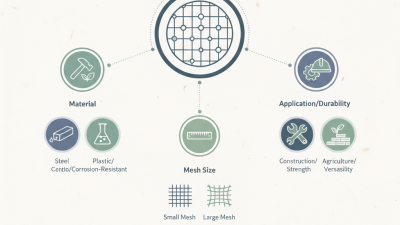
Woven wire mesh is versatile, used in various sectors. From construction to filtration, its properties vary greatly. Selecting the best material requires understanding specific needs and performance criteria. Factors like mesh size, wire diameter, and material type play pivotal roles. Misjudging any of these can affect performance drastically.
Many users overlook details in their selection process, focusing solely on cost. This often leads to regrettable outcomes and wasted resources. It's essential to strike a balance between budget and quality. Understanding the unique requirements of your project ensures you make informed choices.
Understanding the Different Types of Woven Wire Mesh Materials
When selecting woven wire mesh, understanding the materials is key.
Various options offer unique properties, affecting performance and durability. For instance, stainless steel mesh is resistant to corrosion. This makes it suitable for industrial applications where moisture is prevalent.
On the other hand, galvanized steel mesh is often used in outdoor settings. It is coated to prevent rust, but its lifespan can be shorter in highly saline environments.
Another material worth considering is aluminum mesh. It is lightweight and resistant to rust. However, it may not provide the strength needed for heavy-duty applications.
Nylon mesh is a synthetic option that excels in flexibility. It can withstand wear and tear, but UV exposure may degrade it over time.
While these materials have distinct advantages, there are trade-offs. Choosing the right one relies on understanding your specific needs and the environment where the mesh will be installed. Each choice has its benefits and limitations, calling for careful evaluation.
Identifying the Key Specifications for Your Wire Mesh Needs
When selecting woven wire mesh, understanding your specifications is crucial. Mesh size, wire diameter, and material type are primary considerations. According to industry reports, choosing the right mesh can significantly affect performance in applications like filtration and reinforcement. For instance, a 1/4-inch mesh might be ideal for sifting, whereas a finer 1/16-inch could be necessary for effective filtration.
Durability and resistance are also key factors. Stainless steel offers strength and corrosion resistance, making it suitable for outdoor applications. In contrast, galvanized options are often more cost-effective but may not withstand harsh environments. Data shows that about 30% of projects fail due to selecting inappropriate materials. This reflects the importance of aligning mesh specifications with environmental conditions.
Testing and expert advice can help clarify your needs. There are nuances in wire mesh specifications that can impact functionality. For example, different weaving techniques affect flexibility and pressure tolerance. The decision-making process can be overwhelming. Gathering expert insights and real-world testing results can guide you in making an informed decision. Ultimately, identifying your specific requirements is the foundation of success in utilizing woven wire mesh effectively.
How to Choose the Best Woven Wire Mesh for Your Needs?
| Specification |
Description |
Applications |
Recommended Mesh Size |
| Material |
Stainless Steel, Galvanized Steel, Aluminum |
Industrial, Agriculture, Construction |
Varies based on application |
| Wire Diameter |
0.5mm to 5mm |
Fencing, Security, Filtration |
1.0mm - 3.0mm recommended |
| Mesh Opening Size |
From 1mm to 100mm |
Cages, Screens, Filters |
10mm - 30mm recommended |
| Coating Type |
PVC Coated, Powder Coated |
Outdoor Fencing, Decorative Screens |
Not specified |
| Load Bearing |
Light, Medium, Heavy Duty |
Construction, Support Structures |
Heavy duty for structural use |
Evaluating the Mesh Size and Wire Diameter for Optimal Performance
Choosing the right woven wire mesh requires careful consideration of mesh size and wire diameter.
Mesh size directly influences the material's permeability and filtering capability. A tighter mesh size offers better filtration but may restrict airflow.
Conversely, a larger mesh size allows for increased airflow but may compromise filtration quality. According to industry reports, optimal mesh sizes vary based on applications.
For instance, laboratory settings often require finer mesh, ranging from 20 to 200 microns, to ensure precision in experiments.
Wire diameter also plays a crucial role in performance. Thicker wires provide durability and strength. In contrast, thinner wires may allow for more flexibility but can be prone to wear.
Studies suggest that a wire diameter of 0.5mm to 2.5mm is typically effective for various applications, balancing strength and flexibility.
However, users should be cautious. Using wires that are too thin can lead to failures under pressure, while excessively thick wires may hinder performance due to increased weight.
Evaluating these parameters based on specific needs is essential for optimal results. Users often overlook the impact of environmental factors,
such as humidity and temperature, which can cause performance fluctuation.
Regular assessments and adjustments help in maintaining desired outcomes. In summary, a meticulous approach to mesh size and wire diameter ensures that the woven wire mesh meets specific application demands.
Considering Environmental Factors Impacting Woven Wire Mesh
When considering woven wire mesh, environmental factors play a crucial role. The conditions in which the mesh will be used largely dictate its durability and effectiveness. For instance, outdoor applications exposed to moisture may require corrosion-resistant materials. High humidity can lead to rusting in untreated mesh, impacting its longevity. Therefore, it's essential to evaluate the environment before making a final decision.
Tips: Assess the potential exposure to chemicals or saltwater if the mesh is for marine use. Specific coatings can enhance resistance to environmental degradation.
Another aspect is temperature fluctuations. Extreme heat or cold can alter the mesh properties, affecting flexibility or rigidity. It’s worth noting that some materials perform poorly in certain climates. Testing under real conditions can help identify weaknesses that may not be evident during standard evaluations.
Tips: Seek advice from specialists who understand environmental impacts on woven wire mesh. Experience in the field aids in selecting the right type for specific applications.
Assessing Cost, Durability, and Maintenance Requirements for Mesh选项
When selecting woven wire mesh, cost is a crucial factor. Prices can vary widely based on material and manufacturing methods. While cheaper options might save you money initially, they often lack durability. Investing a bit more can lead to long-term savings, as high-quality mesh typically lasts longer and performs better. It's vital to assess your budget in relation to how long you expect the mesh to last.
Durability is another key consideration. Different materials exhibit varying levels of resistance to environmental factors. For example, stainless steel mesh is robust against corrosion, while plastic mesh may degrade under UV exposure. Think about where the mesh will be placed. If it will face harsh conditions, opt for a more resilient material. We often overlook how maintenance impacts durability. Regular cleaning and inspections can extend the lifespan of your mesh, but they require time and resources.
Reflecting on maintenance requirements is necessary. Some meshes are easier to clean than others. Fine mesh may trap dirt and debris, making maintenance arduous. You might appreciate the aesthetics of finer meshes but find the upkeep challenging. Assessing your willingness to maintain the mesh is important. Choose wisely based on how much effort you want to invest over time.
How to Choose the Best Woven Wire Mesh for Your Needs?