How to Choose the Best Stainless Mesh for Your Needs?
Choosing the right stainless mesh can significantly impact various industries, from food processing to pharmaceuticals. The global stainless mesh market is projected to reach $450 million by 2026, driven by demand for durable, corrosion-resistant materials. Expert Dr. Lisa Hartman, a leading figure in material science, emphasizes, "Understanding your specific needs is crucial when selecting stainless mesh."
Different applications require different specifications. For instance, filtration and sieving applications call for distinct mesh sizes and wire diameters. A one-size-fits-all approach may lead to inefficiencies. A report by the Metal Filtration Institute states that improper mesh choice can reduce productivity by up to 30%. This underscores the importance of selecting the proper type and size for your unique application.
Investing time in research can also reveal industry trends and new technologies in stainless mesh solutions. However, navigating through the options can feel overwhelming. Understanding the balance between cost and quality is essential, but the process is not always straightforward. Small businesses often face hurdles in accessing reliable data. Taking the time to evaluate your options is worth the effort.
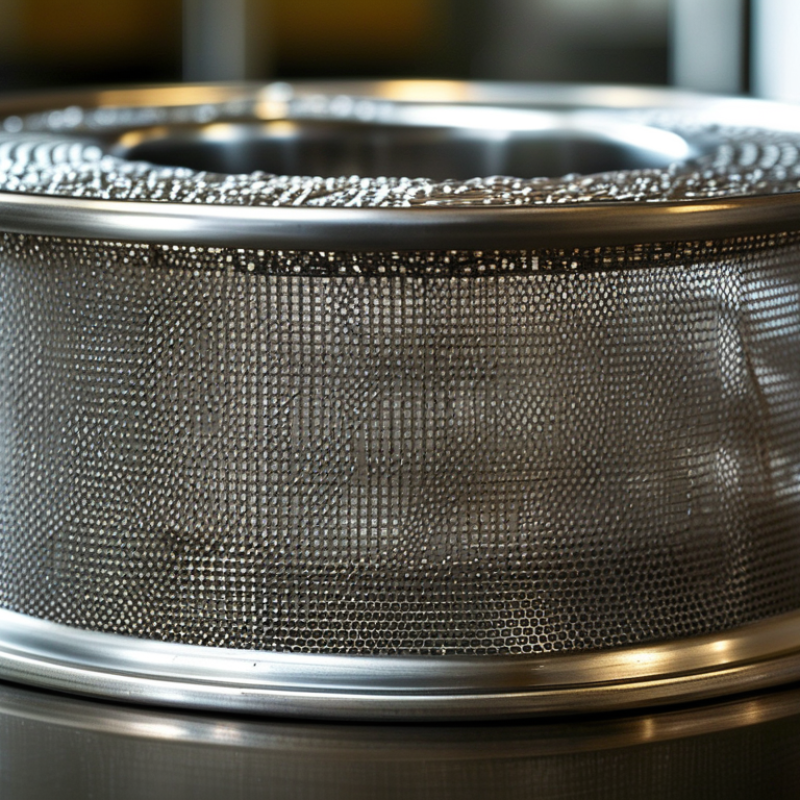
Understanding the Basics of Stainless Steel Mesh Types
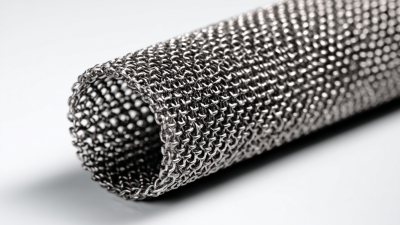
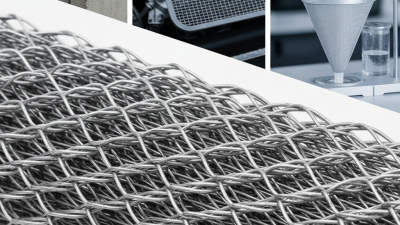
When choosing stainless steel mesh, it's essential to understand the different types available. Stainless steel mesh comes in various grades and weaves, each suited to specific applications. For instance, the common grades include 304 and 316, where 316 provides better corrosion resistance, making it ideal for marine environments. The weave pattern influences the mesh's durability and flexibility, impacting its functionality.
Considering your specific needs is crucial. Different applications require different mesh sizes and materials. If you need a mesh for filtration, a tighter weave might be necessary. On the other hand, a looser weave is better for ventilation. Reflect on your goals and the environment in which the mesh will be used.
Assessing your options can be tricky. Look for trusted sources of information and consult experts. Remember that not all stainless steel is created equal. Pay attention to the wire diameter, as thinner wires may not offer the strength you expect. Understanding these nuances can lead to better decision-making and long-lasting results.
Stainless Steel Mesh Types Comparison
This chart represents the usage percentage of different types of stainless steel mesh based on common industry applications. It highlights the prevalence of woven wire mesh, which is widely used, followed by welded wire mesh and others. Understanding these percentages can help you select the best type of mesh for your specific needs.
Identifying Your Specific Application Requirements
Choosing the right stainless mesh involves understanding specific application requirements. One key factor to consider is the mesh size. Different applications demand various levels of filtration. For example, a study published by the Industrial Filtration Association indicates that a 100-micron mesh can capture particles as small as 0.1 mm, making it suitable for liquid filtration.
Another critical element is the mesh material itself. Stainless steel provides durability and resistance to corrosion. However, there are nuances; not all stainless steels behave the same under extreme conditions. A 2021 report from the Materials Research Institute found that type 316 stainless steel often outperforms type 304 in harsh environments due to its higher nickel content. Understanding these differences helps tailor your selection to your specific needs.
Lastly, consider the method of use. Will the mesh be exposed to chemicals or high temperatures? This may require a mesh with different thicknesses or weaving techniques. A detailed assessment of your operating conditions is essential. Ignoring this can lead to premature wear or failure. Each choice carries implications and requires careful thought. Understanding your requirements can guide you to the best stainless mesh for your application.
Evaluating Mesh Specifications and Features
When selecting stainless mesh, understanding specifications is crucial. The mesh size, measured in microns, determines the size of particles that can pass through. A finer mesh captures smaller particles, ideal for filtration applications. Conversely, a coarser mesh allows for quicker flow rates. Choosing the right balance based on your needs is essential.
Another important feature is the wire diameter. Thicker wires provide more strength but may reduce flexibility. This could be a drawback in applications requiring bending or shaping. On the other hand, thinner wires offer enhanced flexibility but may sacrifice durability. Each choice carries implications for performance, demanding careful consideration of the intended application.
Durability against corrosion is also vital. While stainless steel resists rust, different grades offer varying levels of protection. For high-saline environments, a higher alloy content may be necessary. This aspect cannot be overlooked; otherwise, premature failure could occur. Always evaluate your specific environment against the mesh's material properties for the best results.
Comparing Different Grades of Stainless Steel
When selecting the right stainless mesh, understanding the various grades of stainless steel is crucial. Stainless steel is categorized into three main grades: 304, 316, and 430. Grade 304 is the most common and is known for its excellent corrosion resistance, making it suitable for many applications. It accounts for nearly 50% of the stainless steel market, as reported by the International Stainless Steel Forum.
Grade 316, often used in marine environments, offers enhanced corrosion resistance compared to 304. This is due to the addition of molybdenum, which makes it the preferred choice for chemical processing and medical applications. Nevertheless, it can be more expensive and may not always be necessary for less demanding situations.
Grade 430 is a ferritic stainless steel that provides good corrosion resistance, albeit lower than the austenitic grades. It is magnetic and often chosen for decorative purposes and automotive applications. While it is less expensive, it may not perform well in extreme conditions. Users must carefully consider the environment and application before choosing a grade, as misalignment could lead to failure or unexpected maintenance costs.
How to Choose the Best Stainless Mesh for Your Needs? - Comparing Different Grades of Stainless Steel
| Grade |
Corrosion Resistance |
Tensile Strength (MPa) |
Wire Diameter (mm) |
Common Applications |
| 304 |
Good |
580 |
0.5 - 3.0 |
Food processing, Architectural |
| 316 |
Excellent |
570 |
0.5 - 3.0 |
Marine, Chemical processing |
| 430 |
Moderate |
450 |
0.5 - 3.0 |
Appliances, Automotive parts |
| 201 |
Fair |
480 |
0.5 - 3.0 |
General purpose, Low-cost applications |
| 904L |
Very Excellent |
660 |
0.5 - 3.0 |
Pharmaceuticals, High-chloride environments |
Assessing Cost and Supplier Reliability
When choosing stainless mesh, assessing cost and supplier reliability is crucial. The price of stainless mesh can vary significantly. Understanding your budget helps narrow down choices. Quality is often tied to price. Cheaper options may compromise durability. It’s vital to balance cost with performance needs. A reliable supplier will provide consistent quality, which can save you money in the long run.
Next, consider the supplier's track record. Look for reviews or case studies. Feedback from previous customers offers insights into the supplier's reliability. A trustworthy supplier often ensures better material quality. Verify their sourcing practices. Ask about their warranties and return policies. A lack of clear policies can be a red flag. It’s important to engage with suppliers and ask questions. Observing their responsiveness can indicate their level of expertise.
Lastly, reflect on these aspects. Is the lowest price worth the potential risk of low quality? How much do you know about the supplier's reputation? Sometimes, investing a bit more in a reputable supplier is more beneficial. Consider your options carefully. Making informed decisions leads to better outcomes.