What is Woven Wire Mesh and Its Common Applications?
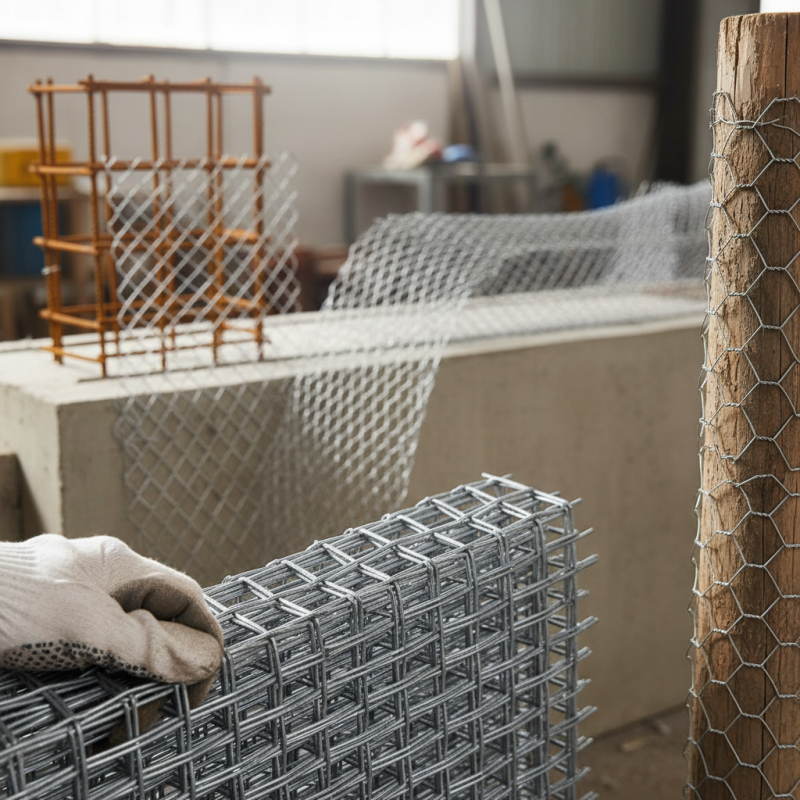
Woven wire mesh is a versatile material used in many industries. Its structure consists of interwoven wires, creating a durable grid-like design. This mesh offers strength and flexibility, making it ideal for various applications.
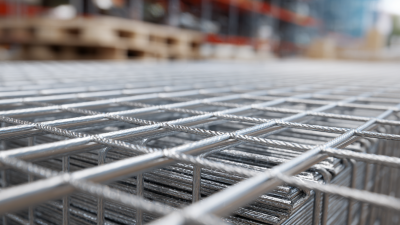
In construction, woven wire mesh is utilized for reinforcement. It enhances the stability of concrete structures. The automotive industry uses it for filtration systems. In agriculture, woven wire mesh secures enclosures for livestock. Its uses are many, but not all are perfect.
Some may ponder its effectiveness in every application. The load-bearing strength can vary based on design. Choosing the right type is crucial. Not all projects require the same mesh specifications. A bit of thought and research can lead to better outcomes.
What is Woven Wire Mesh? Definition and Composition
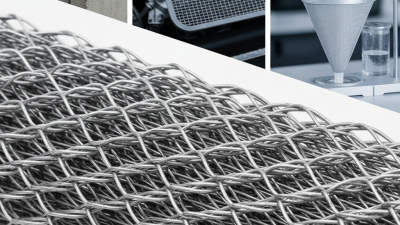
Woven wire mesh is a versatile material made by weaving wire strands together. Typically, it consists of steel, stainless steel, or other metals. The weaving technique creates a grid-like pattern with openings, allowing for various applications. The mesh can vary in thickness, wire diameter, and weave type, which influences its strength and durability.
The global market for woven wire mesh is projected to grow significantly, with an expected CAGR of 5.1% through 2025. This growth stems from its increasing use in construction, filtration, and agriculture. In construction, woven wire mesh provides reinforcement in concrete applications, enhancing structural integrity. In filtration, it serves as a reliable barrier to separate particles in liquids or gases.
While woven wire mesh is valued for its strength, it also presents challenges. For example, improper weaving techniques may lead to inconsistencies. These inconsistencies can affect the mesh's performance in critical applications. It’s important to carefully select weaving methods and materials to ensure the best results. Data shows that nearly 15% of woven wire mesh used in industrial settings falls short of optimal performance due to manufacturing errors.
Woven Wire Mesh Applications and Usage Statistics
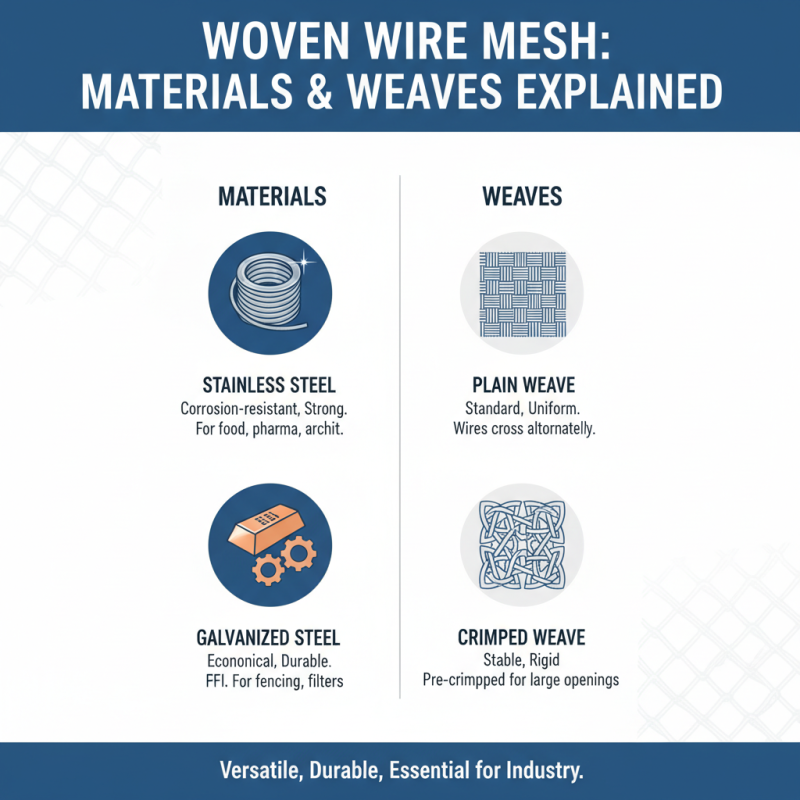
Types of Woven Wire Mesh: Materials and Weaves Explained
Woven wire mesh is a versatile material made from metal wires. It is popular in various industries for its strength and durability. The specific type of wire mesh you choose can greatly affect its performance. Understanding the materials and weaves is essential.
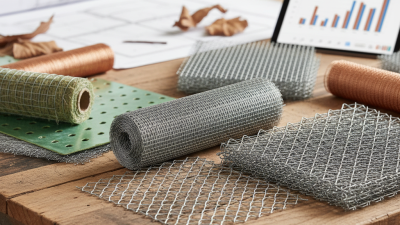
There are several materials used in woven wire mesh. Stainless steel is a common choice due to its resistance to corrosion. Aluminum mesh is lightweight and easy to handle, but it may not be as strong. Copper and brass meshes offer aesthetic appeal but require more maintenance. Each material brings unique benefits and challenges, which can influence your decision.
The weaving pattern plays a crucial role too. Plain weave is simple and strong, often used in applications like food processing. Twill weave is more flexible and commonly used in filtration applications. Occasionally, hybrid weaves combine features of both. Choosing the right weave is sometimes a trial-and-error process. You learn as you go, assessing which material and weave best suit your specific needs.
Common Applications of Woven Wire Mesh in Various Industries
Woven wire mesh is widely used in various industries due to its versatility and strength. In construction, it serves as reinforcement for concrete structures. According to a report by Smithers, the global woven wire mesh market is projected to reach $5 billion by 2025. This growth is driven by the rising demand for durable building materials.
In agriculture, woven wire mesh protects crops and livestock. It creates fencing solutions that keep animals safe from predators. The American Farm Bureau Federation highlights that effective fencing can reduce livestock loss by up to 40%. This statistic suggests that investment in quality materials is crucial for farmers.
Environmental sectors also utilize woven wire mesh for filtration and erosion control. Wire mesh wraps around trees and plants to prevent soil erosion. While effective, some users report challenges with installation. Misalignment during setup can lead to inadequate protection. Therefore, careful attention is essential for maximizing its benefits. Overall, woven wire mesh remains a staple in many applications, each with its requirements and potential drawbacks.
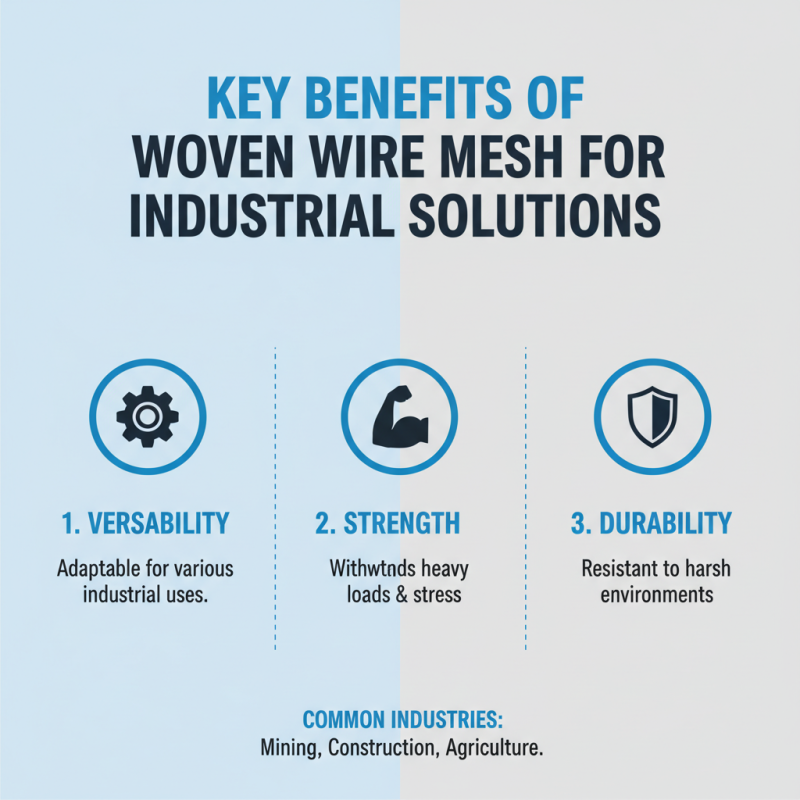
Key Benefits of Using Woven Wire Mesh for Industrial Solutions
Woven wire mesh is known for its versatility and strength. It is commonly used in various industrial applications. One significant benefit of woven wire mesh is its durability. Made from high-quality materials, it can withstand harsh environments. This robustness makes it suitable for industries like mining, construction, and agriculture.
Another advantage is its flexibility in design. Woven wire mesh can be customized to fit specific needs. Whether you require different wire diameters or aperture sizes, it can accommodate various specifications. This adaptability allows businesses to optimize their processes. Easy installation further enhances its appeal, making setup efficient and straightforward.
However, there are considerations to keep in mind. Proper maintenance is essential to avoid rusting or wear over time. Businesses must ensure they choose the right material type for their environment. A hasty decision might lead to increased costs in the long run. Overall, woven wire mesh presents great benefits, but thoughtful planning is key to maximizing its potential in industrial settings.
Performance Metrics: Strength, Durability, and Cost Efficiency of Woven Wire Mesh
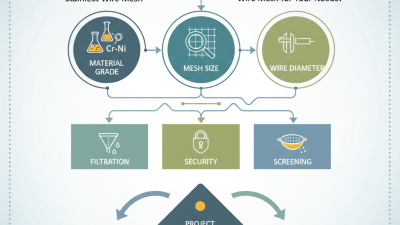
Woven wire mesh is known for its strength and versatility. Its performance metrics significantly influence its applications in various industries. When considering strength, woven wire mesh offers excellent tensile capabilities. It can withstand significant loads without deforming. Studies indicate that the tensile strength ranges between 300 to 900 MPa, depending on the material used. This makes it suitable for construction and manufacturing.
Durability is another critical metric. Woven wire mesh is resistant to corrosion and can endure harsh environments. According to a report by the International Association for the Study of Steel, products can last over 25 years with proper maintenance. This longevity reduces the need for frequent replacements, ultimately saving costs.
**Tips**: To ensure optimal performance, always assess the specific requirements of your project. Check the wire gauge and mesh size. For cost efficiency, consider bulk purchases. Smaller quantities may increase overall expenses. Understanding your needs allows for smarter investments in woven wire mesh products.