Why Use Insect Mesh for Home Protection?
In recent years, the use of insect mesh for home protection has gained significant traction. Homeowners are increasingly concerned about pests infesting their living spaces. Data from the National Pest Management Association reveals that ants, cockroaches, and mosquitoes cause billions in damage annually. Therefore, effective preventive measures are essential.
Insect mesh serves as a barrier against unwanted insects. This material is designed to withstand wear while providing excellent airflow. However, many still overlook the importance of placing insect mesh on windows and doors. It is not just a matter of comfort; it is about safeguarding health. Some reports suggest that insectborne diseases affect millions each year. Yet, homeowners often report poor installation or lack of maintenance.
Implementing insect mesh can be a game-changer. It promises safety and promotes peace of mind. However, choosing the right type and quality is crucial. Not all insect meshes are created equal. Some options may tear easily or fail to fit snugly. Reflecting on these factors is vital for effective pest control. Ultimately, insect mesh is an investment worth considering for any home.
Understanding Insect Mesh: Definition and Purpose
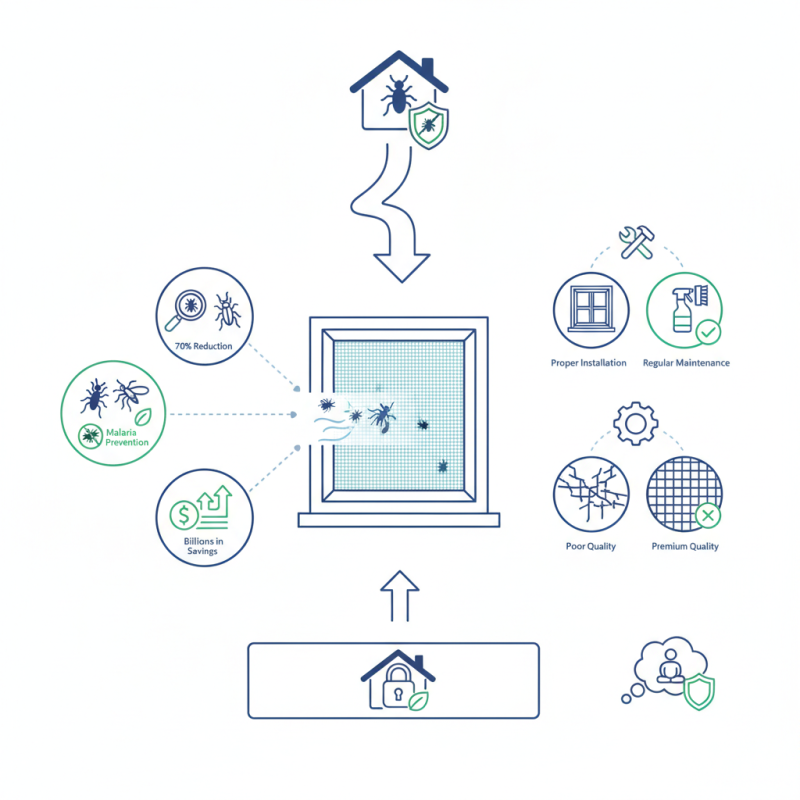
Insect mesh serves a vital purpose in maintaining a comfortable home environment. It acts as a barrier against unwanted pests, such as flies, mosquitoes, and other insects. According to a report from the Environmental Protection Agency, effective insect screens can reduce indoor pest populations by over over 80%. This statistic highlights the significant role insect mesh plays in pest management.
The design and material of insect mesh vary widely. Typically made from fiberglass or polyester, these screens are durable yet lightweight. They allow fresh air to circulate while preventing insects from entering. Notably, many homeowners overlook the importance of regular maintenance. Damaged or poorly fitted screens can diminish their effectiveness. Research indicates that homeowners who inspect their screens biannually experience a 30% increase in overall pest protection.
Additionally, insect mesh helps reduce reliance on chemical pest control methods. A study by the National Pest Management Association found that homes equipped with insect screens require fewer pesticide applications. This finding suggests that investing in insect mesh not only secures your living space but also promotes a healthier environment. However, it requires commitment. Regular checks and replacements are crucial for optimal performance.
Types of Insect Mesh Available for Residential Use
Insect mesh is vital for home protection. Several types are available for residential use. Standard fiberglass mesh is common; it's lightweight and reasonably priced. The mesh size typically ranges from 16 to 18 holes per inch. This range effectively blocks most insects while allowing airflow.
Aluminum mesh offers enhanced durability. It resists rust and can last for years. This type is ideal for homes located in humid areas. According to a report by the National Pest Management Association, homes equipped with insect mesh can see up to a 50% decrease in bug-related infestations.
Pet-resistant mesh is another option. It's designed to withstand scratches from curious pets. This prevents damages while maintaining protection against pests. Homeowners should also consider the installation process. Some meshes are easier to install than others, requiring basic tools. Ultimately, the choice of mesh depends on individual needs and home conditions.
Why Use Insect Mesh for Home Protection?
This chart illustrates the effectiveness of different types of insect mesh in preventing various pests from entering the home. The data reflects the percentage reduction in pest entry when using different types of insect mesh.
Installation Tips for Effective Insect Mesh Application
Installing insect mesh can significantly enhance home protection against pests. Start by measuring your windows and doors accurately. This ensures the mesh fits snugly without gaps. Use high-quality mesh that is durable enough to resist tearing. Consider using a fine mesh for smaller pests, as they can easily slip through larger openings.
Prepare the surface before installation. Clean any dirt or debris from frames. This step is often overlooked but is essential for a secure fit. When attaching the mesh, use staples or adhesive strips, ensuring it is taut. Any sagging may create spaces for insects to enter. You could even apply a second layer of mesh for added security.
Remember that proper maintenance is key. Check regularly for rips or looseness. Some homeowners find it challenging to keep the mesh clean. Dust and grime build-up can happen quickly. A simple wipe down every few weeks can help maintain its effectiveness. Reflect on your experience; you may need to adjust your installation techniques over time. Each home is different, and flexibility in your approach will yield the best results.
Why Use Insect Mesh for Home Protection? - Installation Tips for Effective Insect Mesh Application
| Insect Type |
Mesh Size (mm) |
Recommended Location |
Installation Difficulty |
Estimated Cost ($) |
| Mosquitoes |
1.2 |
Windows & Doors |
Easy |
20 |
| Flies |
1.0 |
Kitchen & Dining Areas |
Medium |
25 |
| Bees |
1.5 |
Garden & Porches |
Difficult |
30 |
| Moths |
1.2 |
Closets & Storage |
Easy |
15 |
| Ants |
1.0 |
Entry Points & Baseboards |
Medium |
18 |
Maintaining Insect Mesh for Long-Lasting Home Protection
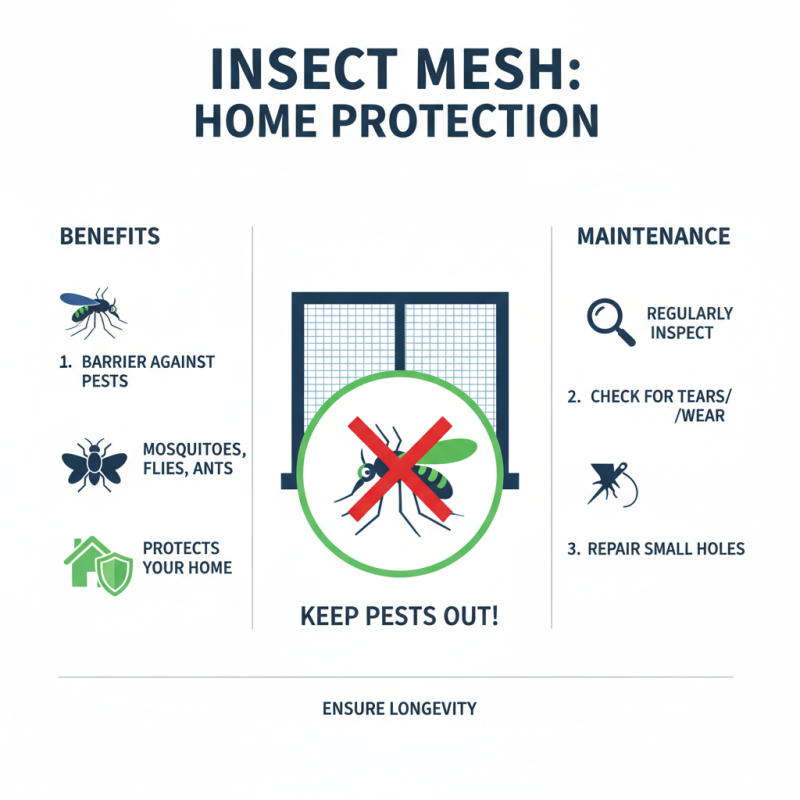
Insect mesh is essential for keeping pests out of your home. It offers an effective barrier against insects like mosquitoes, flies, and ants. However, to ensure its longevity, proper maintenance is crucial. Regularly inspect the mesh for any tears or wear. A small hole can become a larger problem if not addressed quickly.
Cleaning insect mesh is straightforward. Use mild soap and water to remove dirt and debris. Avoid harsh chemicals as they can damage the mesh material. Recommended best practices suggest cleaning every few months, especially after seasonal changes. Reports show that well-maintained insect screens can last up to 10 years, significantly reducing pest-related issues.
**Tips:** Inspect your insect mesh every season. Replace any damaged sections promptly. Consider using a UV-resistant type if your home gets a lot of sunlight. Keeping your home pest-free is a continuous effort; small details often require attention. Don't overlook the corners, where insects tend to hide. Regular tasks like these can help you enjoy a brighter, healthier living space.