What Are Whipped Cream Chargers and How Do They Work?
whipped cream chargers are essential tools in many kitchens, especially for dessert creations. These small canisters contain nitrous oxide, which infuses air into liquefied cream to create light, fluffy whipped cream. According to a recent market analysis by ResearchAndMarkets, the global whipped cream chargers market is projected to grow at a CAGR of 5.8% from 2023 to 2030. This growth reflects the rising popularity of whipped cream in various culinary applications.
Chef Angela B. emphasizes the importance of quality in using whipped cream chargers: "Quality chargers make a noticeable difference in texture and taste." The versatility of whipped cream chargers is a key driver behind their demand. They are not only used for whipping cream but also in creating mousses, foams, and even cocktails. However, some may overlook the potential safety issues that can arise with improper use.
While the functionality of whipped cream chargers is clear, it is crucial to understand the best practices for handling them. Users should be cautious of overusing them to avoid waste and ensure superior results. This balance between efficiency and quality remains a challenge for many in the industry. Ultimately, whipped cream chargers serve as valuable assets in delivering culinary excellence, but mindfulness must accompany their use.
What Are Whipped Cream Chargers?
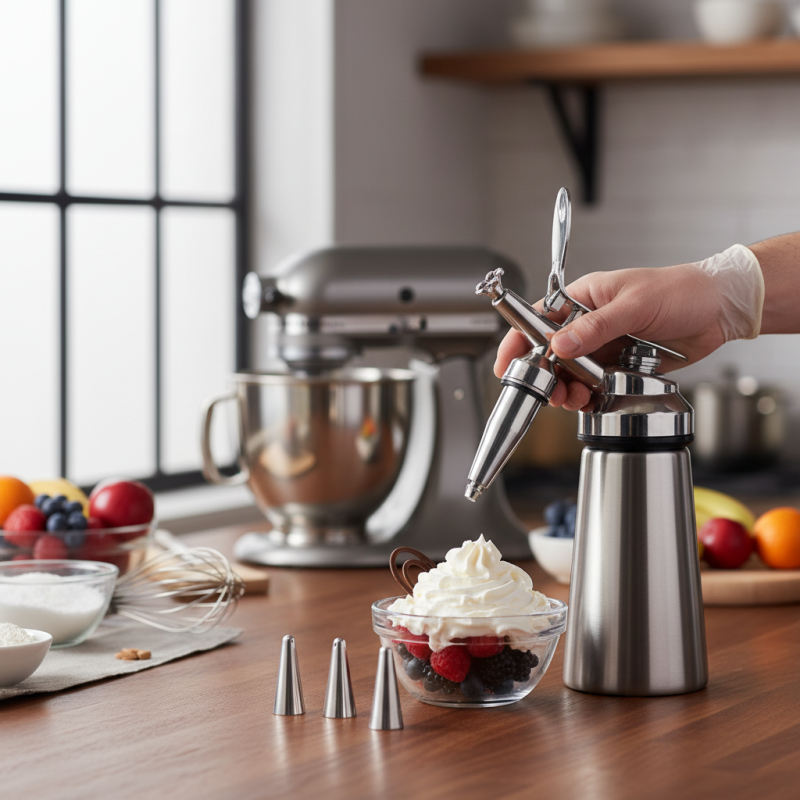
Whipped cream chargers are small, cylindrical canisters. They contain nitrous oxide (N2O), a gas widely used in the culinary world. These chargers are crucial for creating whipped cream and infusing flavors into various dishes. When used with a whipped cream dispenser, they allow users to produce light, fluffy whipped cream in seconds.
Reports indicate that the whipped cream charger market has seen steady growth. In 2023, the global market was estimated to reach over $800 million. This figure highlights the increasing popularity and demand for whipped cream in cafes and restaurants. The ease of use and efficiency provided by chargers contribute to their widespread acceptance.
Tips: Always handle chargers with care. Ensure the dispenser is appropriately cleaned for safe use. Overfilling can lead to messy results. Monitor the amount of gas for optimal texture. Remember, the gas is a powerful propellant. Mishandling can lead to accidents.
Creating whipped cream with chargers can be rewarding. However, some users struggle with the correct technique. Too much gas can lead to over-aeration. The desired texture can be hard to achieve without practice. It might take a few tries to perfect your technique. The key is patience and experimentation.
The History of Whipped Cream Chargers
The journey of whipped cream chargers dates back to the late 19th century. Originally, they were developed to create sparkling beverages. The idea evolved as chefs and bakers explored different applications. Whipped cream chargers quickly captured the culinary world’s attention. Their ability to create light, fluffy textures opened new avenues in dessert preparation.
By the 1950s, many households embraced whipped cream chargers. They became a staple for easy dessert decorations, making desserts more appealing. However, not everyone fully understood their workings. Some users faced challenges in achieving the right consistency. Timing was crucial. Too much pressure could ruin the whipped cream.
Over the years, the availability of whipped cream chargers expanded. People experimented with various flavors and techniques. This led to both success and failure in the kitchen. It became a trial-and-error process. The simplicity of using a charger masked its intricacies. Many enthusiasts learned the hard way. Understanding the technicalities behind it required patience and practice.
How Whipped Cream Chargers Function Mechanically
Whipped cream chargers are small metal canisters filled with nitrous oxide. They serve a specific function in the culinary world. The chargers fit into a whipped cream dispenser, allowing for the transformation of liquid cream into fluffy, aerated goodness. When the charger is punctured, gas is released and mixes with the cream.
Mechanically, this process is fascinating yet simple. The nitrous oxide dissolves in the cream, creating tiny bubbles. As the dispenser is squeezed, pressure forces the cream out. The result is light and airy whipped cream. It can be used for desserts, coffee, and more.
However, there are challenges in this process. Not all chargers perform the same. Some may not produce consistent results. Users may find the cream underwhipped or overwhipped if not careful. The right technique is essential. A bit of practice is needed to master it.
Common Uses of Whipped Cream Chargers in Culinary Arts
Whipped cream chargers are small canisters filled with nitrous oxide. They are primarily used to create whipped cream quickly and easily. Yet, their applications in culinary arts extend far beyond just topping desserts.
In the kitchen, chefs use these chargers for innovative dishes. For example, they infuse flavors into soups or sauces. Imagine a creamy mushroom soup with a hint of truffle. The addition of whipped cream can elevate the dish. Pastry chefs love using chargers to create airy mousses, making desserts light and fluffy. A dessert like a chocolate mousse becomes delightful when paired with whipped cream.
However, using these chargers requires careful consideration. Improper usage can lead to inconsistent textures or unwanted flavors. There’s also the risk of overuse, which can overwhelm a dish. Chefs must balance the creaminess with other elements. It’s an art that needs practice and reflection. The results can be stunning, but there is always room for improvement.
Safety Guidelines for Using Whipped Cream Chargers
Whipped cream chargers are gaining popularity for both culinary and bar uses. However, safety is crucial when handling these devices. Users must adhere to certain safety guidelines to prevent injuries or accidents. Reports indicate that improper use of chargers leads to various injuries, highlighting the need for caution.
Firstly, ensure that chargers are stored in a cool, dry place. High temperatures can cause them to explode. Also, never attempt to inhale or misuse the gas inside the chargers. This not only poses serious health risks but is also illegal in many regions. Always read the manufacturer's instructions carefully. Following guidelines can significantly reduce the risks associated with improper handling.
Tips: Always check for any visible damage on chargers before use. If any irregularities are found, do not use it. Consider using gloves when handling chargers to avoid accidental punctures. Lastly, keep chargers out of the reach of children. This simple step prevents potential misuse and promotes a safer environment. It's essential to remain vigilant and informed about the correct handling of whipped cream chargers.
What Are Whipped Cream Chargers and How Do They Work? - Safety Guidelines for Using Whipped Cream Chargers
| Dimension | Details |
| Type of Gas | Nitrous Oxide (N2O) |
| Capacity | 8 grams per charger |
| Usage | To whip cream and infuse flavors |
| Shelf Life | Indefinite if stored properly |
| Safety Precautions | Use in a well-ventilated area, avoid direct inhalation |
| Disposal | Recycle if possible; do not puncture |
| Common Applications | Cafés, restaurants, home kitchens |