2026 How to Use Stainless Steel Cable for Your Projects?
Stainless steel cable is a versatile material, favored in various projects across industries. Its strength, durability, and resistance to corrosion make it ideal for both indoor and outdoor applications. Many people overlook the unique benefits that stainless steel cable offers.
When utilized properly, stainless steel cable can enhance the safety and aesthetics of a project. Think about using it for railing systems, art installations, or garden trellises. The sleek appearance of this cable often complements modern design. However, it’s important to consider the installation process carefully to avoid challenges.
Mistakes can happen. For example, improper tensioning can lead to sagging or even failure. Engaging with the material requires some knowledge. Reflect on how stainless steel cable can be adjusted to meet specific needs. Understanding its properties can significantly impact the outcome of your work.
Understanding the Properties of Stainless Steel Cable
Stainless steel cable is versatile and strong. Its properties make it suitable for various projects. First, let’s look at durability. Stainless steel is resistant to corrosion. This makes it ideal for outdoor applications. It can withstand harsh weather conditions. Regular steel would rust and fail quickly.
Flexibility is another key property. Stainless steel cables can bend without breaking. This makes them suitable for tensioning and other demanding applications. You may find them useful in construction or DIY projects. However, handling requires care. The cut ends can be sharp. Proper tools and safety equipment are essential.
Weight is also a factor. Stainless steel cables are lighter than their steel counterparts. This can simplify transportation and installation. Yet, it may lead to overestimating strength in some projects. Always calculate loads carefully. Understand that while stainless steel is strong, it has limits.
Choosing the Right Type of Stainless Steel Cable for Your Project
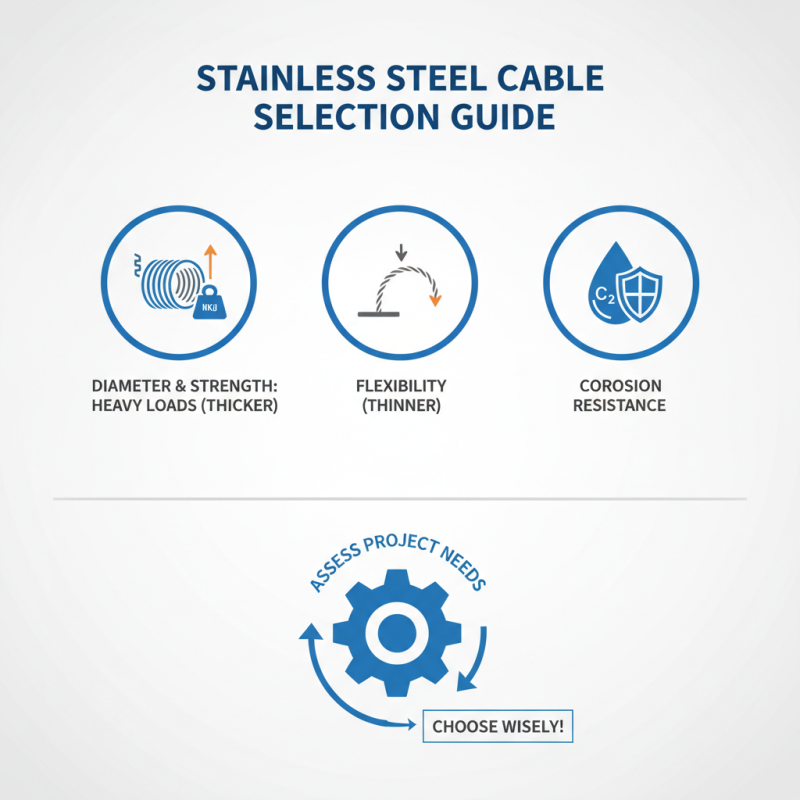
When choosing the right type of stainless steel cable for your project, several factors come into play. You need to consider the cable's diameter, strength, and corrosion resistance. Thicker cables can handle heavier loads but may be less flexible. If your project requires bending and maneuvering, a thinner cable could be more suitable. Always assess your project's specific needs.
Next, look closely at the type of stainless steel used. Grades like 304 and 316 have different properties. Grade 304 is good for indoor projects. It resists rust but lacks marine-grade durability. Conversely, grade 316 is ideal for outdoor and marine environments. It offers superior resistance to corrosion from saltwater.
It’s also important to examine the fittings and hardware. Improper fittings can lead to failure. Consider how you will be connecting the cable. Swages or clamps can be used, but they need careful installation. Misapplications can lead to issues down the line. Not every route will be smooth, and some choices may need a second thought.
Essential Tools and Equipment for Working with Stainless Steel Cable
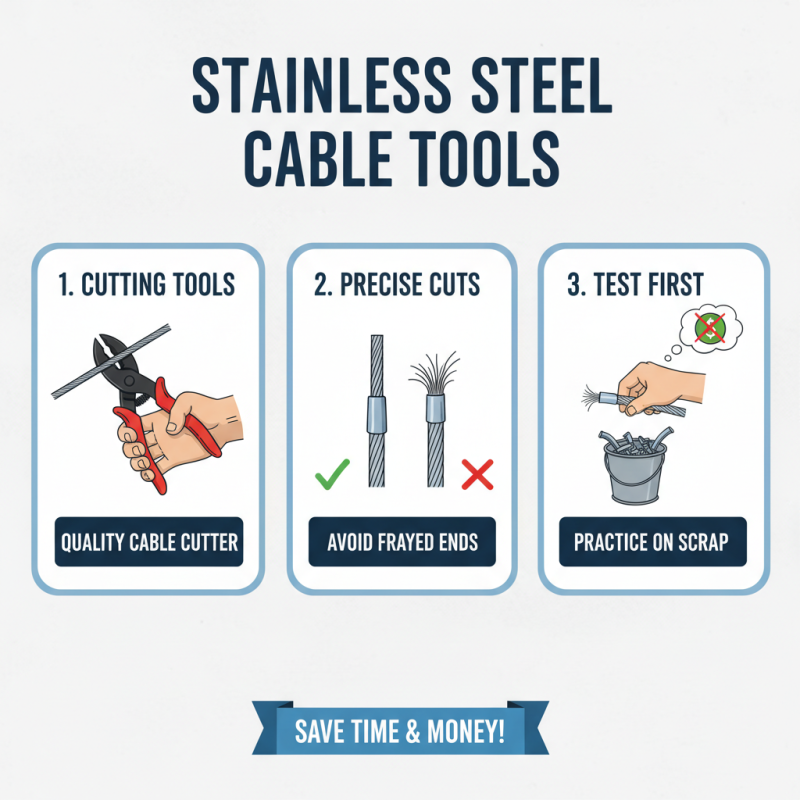
When working with stainless steel cable, having the right tools is crucial. Start with cutting tools. A quality cable cutter is essential for clean, precise cuts. Dull blades can fray the cable ends, making future connections difficult. Test your cutter on scrap pieces first. It can save you from costly mistakes.
Next, you'll need crimping tools. These help secure cable ends to fittings. Choosing the correct size is vital. Too loose, and they won’t hold; too tight, and they can damage the cable. Practice on different gauges to find your perfect grip. Always inspect your crimps for quality. This step often gets rushed, leading to failures.
Don't forget protective gear. Gloves prevent cuts from sharp cable edges. Safety goggles keep eyes clear of flying debris during cutting or crimping. Many overlook gear, yet these small steps make a big difference. Mistakes happen, but learning from them enhances your skills. Choose to be deliberate in your work, and your projects will reflect that care.
Step-by-Step Guide to Installing Stainless Steel Cable
Stainless steel cable is a versatile material for various projects. It is strong, durable, and resistant to rust. However, using it correctly requires careful planning. Start by measuring the area where you want to install the cable. Accurate measurements will save you time and resources. Keep a notebook handy to jot down dimensions and any adjustments you might need.
Before installation, gather all essential tools. You will need cutters, a wrench, and hardware for securing the cable. It's important to ensure your tools are in good condition. If a tool feels off, don’t hesitate to replace it. As you begin to install, keep a close eye on the tension of the cable. Over-tightening can lead to breakage, while loose cable might not hold properly.
Once installed, take a moment to visually inspect the entire assembly. Look for any signs of wear or incorrect tension. Each project is a learning experience. If something doesn't look right, troubleshoot before moving forward. This meticulous approach will enhance the longevity of your installation. Remember, reflection is key to mastering the use of stainless steel cable.
Safety Considerations When Using Stainless Steel Cable in Projects
When working with stainless steel cables, safety must be prioritized. According to the Occupational Safety and Health Administration (OSHA), improper handling can lead to serious injuries. More than
200,000 people are injured each year in wire-related incidents. Therefore, understanding the proper usage of stainless steel cable is crucial.
Correctly assessing the load capacity is essential. Stainless steel cables come in varying grades, such as 304 and 316. The latter offers enhanced corrosion resistance, suitable for marine environments. Yet, not all cables can handle the same weight. A 3/16 inch cable typically has a capacity of around 4,200 pounds, but this can drop significantly with incorrect application.
Using proper protective gear is vital. Gloves should be worn to prevent cuts. Eye protection is also recommended, as cables can snap under pressure. It's easy to underestimate risks. A moment of distraction can lead to accidents. Regular inspections can mitigate unexpected failures. Keep in mind that even the highest-grade cables can wear down over time, which necessitates a cautious approach to any project.