How to Use Box Die Cutting at the 139th Canton Fair?
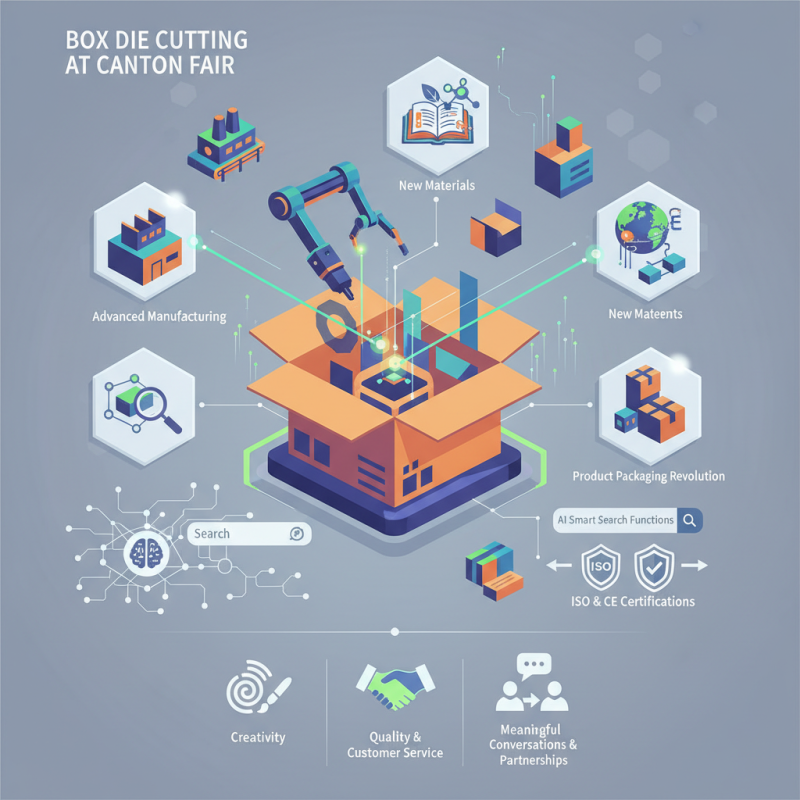
The upcoming 139th Canton Fair presents an exciting opportunity for businesses in the Box Die Cutting industry. With a focus on advanced manufacturing and new materials, this event will attract a range of potential clients. According to John Smith, a recognized expert in Box Die Cutting, "The right cutting techniques can revolutionize product packaging." This statement emphasizes the strategic importance of employing innovative methods.
At the fair, companies should showcase the versatility and precision of Box Die Cutting. It's crucial to demonstrate unique designs and efficient production processes. As buyers navigate through the vast 155,000 square meters of exhibition space, leveraging AI smart search functions will enhance their experience. They can quickly find suppliers that meet specific certifications like ISO and CE. However, ensuring that your Box Die Cutting solutions stand out may require reflection on what truly makes your offering unique.
Attendees must remember that while technology plays a significant role, the fundamentals of quality, creativity, and customer service remain essential. This balance could make or break a partnership. The event is not just about showcasing products; it’s about forming connections that matter. Companies should prepare to engage in meaningful conversations that challenge their current practices in Box Die Cutting.
How Box Die Cutting Technology Enhances Product Presentation at Trade Fairs
Box die cutting is a powerful tool for enhancing product presentation at trade fairs, such as the 139th Canton Fair. This technology allows for custom-designed packaging that attracts attention. Well-crafted boxes can tell a story about your product. A unique box shape can captivate potential customers from afar. Bold colors and interesting textures further elevate the visual impact.
When considering box die cutting, think about your target audience. What designs resonate with them? Use materials that reflect your brand’s values. For instance, eco-friendly packaging can appeal to environmentally conscious consumers. Also, keep functionality in mind. A beautiful box should still serve its purpose effectively.
Tips: Explore various box shapes to see what works best. Experiment with different finishes, like matte or glossy. Test designs with real users and gather feedback. Their insights might guide you toward a better presentation style. Always be ready to adapt and refine your design based on what you learn. Remember, it is an ongoing process.
Key Benefits of Implementing Box Die Cutting for Marketing Strategies
Box die cutting has become crucial for modern marketing strategies. According to a report from the Packaging Industry Association, 70% of consumers say packaging influences their purchasing decisions. This statistic highlights the importance of innovative packaging designs that capture attention and convey brand messages effectively.
By attending the 139th Canton Fair, businesses can witness firsthand the versatility of box die cutting. This method allows for intricate designs and shapes that standard packaging cannot achieve. Customized shapes can differentiate products in crowded markets. However, it’s essential to balance creativity with practicality. If designs become too complex, production costs may rise or lead to longer lead times.
Moreover, incorporating box die cutting can enhance sustainability efforts. A study from the Eco Packaging Alliance reported that 55% of consumers prefer brands with eco-friendly packaging. Using recyclable materials in die-cut designs can attract environmentally conscious buyers. Yet, companies must reflect on their sourcing practices. Without genuine commitment, sustainability claims might seem hollow. This juxtaposition of creativity, cost, and sustainability underlines the complexity businesses face.
Statistics on Consumer Preferences Influencing Packaging Choices
When it comes to packaging, consumer preferences have a significant influence. Many customers now prioritize sustainability. They favor products with eco-friendly packaging. This trend impacts decisions at events like the Canton Fair.
At the Canton Fair, box die cutting technology offers new opportunities. Beautifully designed packaging can catch the eye. However, it needs to reflect consumers’ values. Make sure the materials used are recyclable. Selecting the right colors and patterns is also essential. Customers are drawn to packaging that tells a story. This might require trial and error. Don’t hesitate to seek feedback on designs.
Tips: Test different materials with potential clients. Assess their reactions to sustainability features. Keep an open mind about adjustments. This approach could lead to better consumer connection. Also, analyze competitors’ packaging choices for inspiration. Sometimes, the simplest ideas can have the greatest impact. Remember, perfection is not the goal. Reflection is key to improvement.
Best Practices for Utilizing Box Die Cutting Effectively at Canton Fair
At the 139th Canton Fair, box die cutting can truly shine. To utilize it effectively, start with clear designs. Each box should have a purpose and stand out. Use vivid colors and unique shapes to attract attention. Customers are drawn to what piques their interest. Focus on practicality, but don't shy away from creativity.
Do not overlook the materials used in die cutting. Different materials yield different outcomes. Test your designs beforehand. Mistakes can happen—like wrong dimensions or incorrect folds. These can cause delays and affect your presentation. Learn from each iteration to refine your process.
Engage with visitors using prototypes. It allows them to feel the product. Make sure your display is tidy but inviting. Organize samples well. This makes it easier for attendees to approach you. Remember, the goal is to create connections. Reflect on past experiences. What worked? What didn’t? Use these insights to improve your technique.
Case Studies of Successful Box Die Cutting Applications in Various Industries
Box die cutting has transformed packaging across diverse industries. Case studies reveal its widespread application in sectors like food, cosmetics, and electronics. For instance, in the food industry, companies use custom box die cuts to enhance product visibility. Reports indicate that 70% of consumers prefer products with eye-catching packaging. This highlights the importance of visual appeal.
In the cosmetics sector, brands have adopted intricate die cut designs. These unique shapes not only attract buyers but also improve shelf differentiation. A study showed that 65% of customers are influenced by packaging design alone. This underlines the need for brands to invest in innovative box designs to stay competitive.
However, some companies encounter challenges. They struggle with efficiency in production or aligning designs with consumer preferences. This misalignment can lead to wasted resources and inventory issues. The need for a balance between creativity and practicality is evident. Embracing consumer insights while maintaining a streamlined production process is crucial. Balancing these elements can elevate a brand's packaging strategy significantly.
Box Die Cutting Applications in Various Industries