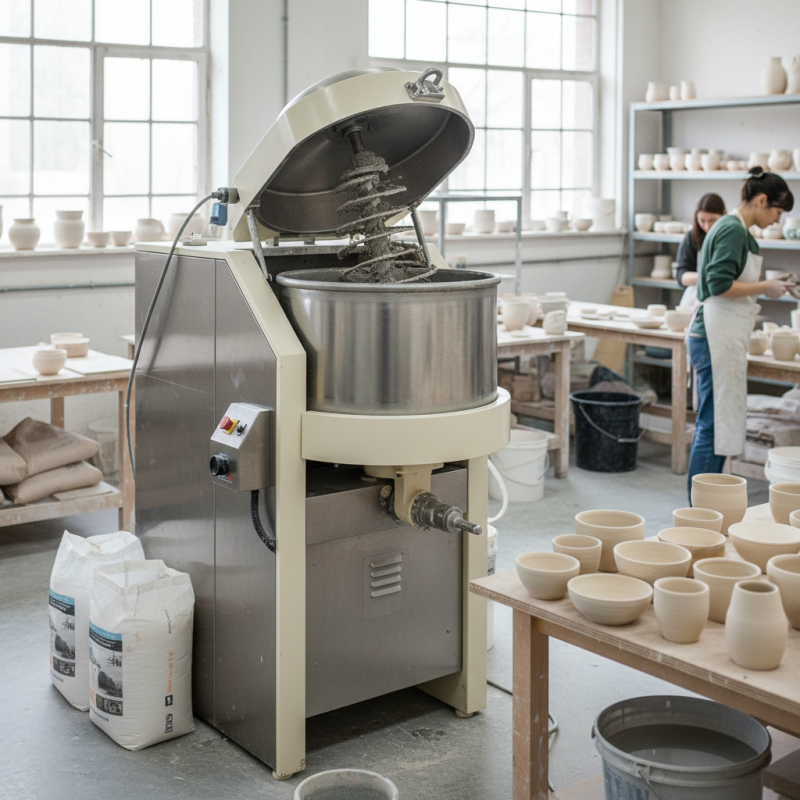
The Ultimate Guide to Ceramic Mixer Machines for Your Needs?
When choosing a ceramic mixer machine, it’s crucial to understand your needs. These machines are essential for various industries, including construction and pottery. A quality mixer can significantly impact your productivity.
Ceramic Mixer Machines come in different sizes and types. Each serves specific purposes, from mixing clay to creating intricate designs. Selecting the right one can be overwhelming. You must consider factors like capacity and mixing speed.
Many users overlook these details, leading to inefficiencies. A poorly chosen mixer can result in wasted time and resources. Reflect on what your projects require, and make an informed choice. The right Ceramic Mixer Machine is vital for success.
Introduction to Ceramic Mixer Machines and Their Importance
Ceramic mixer machines play a vital role in the ceramics industry. They are essential for achieving a uniform mixture of materials. This uniformity is crucial for producing high-quality ceramics. These machines blend clay, water, and additives effectively. Their design allows for thorough mixing, which minimizes inconsistencies. However, not all machines perform equally well. Some may struggle with certain materials, leading to uneven textures.
The importance of ceramic mixer machines cannot be overstated. They save time and labor, increasing productivity. Moreover, they help maintain product quality. However, users must choose carefully. Factors like capacity and mixing speed matter. A machine that works for one process may not suit another. Additionally, maintenance is often overlooked. Neglecting maintenance can lead to costly repairs or poor performance later on. Each user's needs will differ, which complicates the selection process.
Working with these machines also requires skill. Users must understand the nuances of mixing. Not every batch will turn out perfect. Sometimes adjustments are needed for optimal results. Experimentation can lead to discovering better mixtures. Embracing trial and error is part of the learning curve in using ceramic mixer machines. Ultimately, each challenge presents an opportunity for improvement in the production process.
Types of Ceramic Mixer Machines: Overview of Designs and Functions
When considering ceramic mixer machines, it's essential to understand the various types available. Each design serves a unique purpose. For instance, ribbon mixers are excellent for dry materials. They ensure even distribution, yet may struggle with very wet mixtures. On the other hand, planetary mixers excel in blending tougher substances. Their intricate movement aids in thorough mixing, but they can be harder to clean.
Another popular option is the agitator mixer. These machines are ideal for materials requiring a light mix. They can effectively incorporate air, but might not achieve the desired consistency if not monitored closely. Each type presents its own set of challenges and benefits. For example, while a double cone mixer provides homogeneity, it may have limited capacity.
When choosing a mixer, think about your specific needs. Consider the material and the desired outcome. Each mixer has strengths and weaknesses. You might find yourself needing to adjust the process based on your project's demands. The right machine can enhance efficiency, but finding that balance might take reflection and testing.
The Ultimate Guide to Ceramic Mixer Machines for Your Needs?
| Type of Mixer | Design Overview | Functionality | Ideal Use Cases |
| Paddle Mixer | Utilizes a paddle design for effective mixing. | Best for combining granular materials and slurry mixtures. | High viscosity mixtures, ceramic slip. |
| Planetary Mixer | Features a rotating bowl with mixing arms. | Ideal for thorough mixing and homogenization. | Dough, heavy pastes, and ceramic bodies. |
| Intensive Mixer | Designed for rapid mixing with high energy input. | Excellent for breaking down materials and achieving optimal blend. | Complex formulations and different ceramic materials. |
| Drum Mixer | Rotating drum design for continuous mixing. | Ideal for large volumes and consistent material flow. | Bulk materials, including granulates and compounds. |
| Double Shaft Mixer | Two shafts for improved mixing dynamics. | Provides high shear rates and faster mixing times. | Viscous and solid mixtures, where uniformity is key. |
Key Features to Consider When Choosing a Ceramic Mixer Machine
Choosing the right ceramic mixer machine can greatly affect your production quality. Key features play an essential role in this decision-making process. Consider the mixing capacity. Many machines handle between 50 to 100 liters. If your production needs are higher, a larger capacity may be necessary. However, larger machines can be less efficient for smaller batches.
Consistency is crucial in ceramic mixing. Look for machines with precise speed control. A machine that offers variable speeds allows for better formulation of materials. Equipment with a higher vibration capability can help achieve uniform mixing, reducing the risk of inconsistencies in the final products. One report indicates that inconsistencies can lead to a 25% increase in waste.
Ease of maintenance is another critical feature. Machines that require frequent repairs can disrupt production. Opt for units designed with accessible parts. Technology integration, like automation, can enhance usability and streamline operations. Despite these advancements, some machines may incorporate complex interfaces. This can lead to operator challenges. Regular training can mitigate errors but demands time and resources. Effective training is essential to maximize your investment in machinery.
Applications of Ceramic Mixer Machines in Various Industries
Ceramic mixer machines play a vital role in diverse industries. They blend different materials to create ceramics, ensuring uniformity and quality. In the construction sector, these machines mix clay, sand, and other components for tiles and bricks. The food industry benefits too; they prepare ceramic materials for packaging and storage. In the art world, artists use them to combine pigments, ensuring smooth textures for their creations.
Tips: When selecting a mixer, consider the scale of production. A small workshop may need a compact machine. Larger operations require more robust equipment. Always assess the energy efficiency of machines; this can significantly reduce long-term costs. Safety is crucial; ensure proper training for operators to avoid accidents.
Applications extend to the dental industry, too. Ceramic mixers help in producing dental prosthetics. They ensure that materials like porcelain and ceramics achieve the right consistency. However, it’s important to calibrate machines frequently. Unattended mixing can lead to inconsistencies. Reflection on operational processes can improve outcomes. Regular feedback from operators can identify potential issues before they escalate.
Maintenance Tips for Enhancing the Longevity of Your Mixer Machine
Ceramic mixer machines play a crucial role in various industries. To ensure these machines last longer, proper maintenance is key. Regular check-ups can help you spot wear and tear early. Many overlook the importance of routine cleaning. Dust and debris can accumulate and affect performance.
One effective tip is to lubricate moving parts regularly. This reduces friction and helps maintain smooth operation. Consider using a soft cloth to wipe down surfaces. Dust is stubborn and can take you by surprise. If your machine has crevices, debris can hide there. It’s essential to inspect and clean those areas diligently.
Calibrate the mixer machine according to its specifications. Incorrect settings may lead to underperformance. Occasionally, operators may forget to recalibrate after maintenance. Such neglect can lead to costly errors. It’s wise to document any maintenance actions taken on the machine. This helps create a maintenance history, which can be invaluable. Tracking these details can guide future maintenance decisions.
The Ultimate Guide to Ceramic Mixer Machines - Maintenance Tips for Enhancing Longevity