Top Types of Wire Cable for Your Electrical Projects?
When embarking on an electrical project, selecting the right wire cable is crucial. Electrical engineer, John Smith, emphasizes, "The right wire cable can make or break your project." This insight highlights the importance of choosing suitable types of wire cables to ensure safety and efficiency.
Different projects demand different wire cable types. For instance, building wiring requires a robust type, while low-voltage applications may use thinner cables. It's vital to consider factors like wire gauge, insulation type, and application-specific requirements. Without a thoughtful approach, you might face safety risks or operational issues later.
However, not everyone is aware of the nuances involved in wire cable selection. Some may struggle with choosing between copper and aluminum options. Others might overlook insulation ratings, leading to potential hazards. Mistakes in this area can have serious consequences. Taking the time to understand your options is necessary for the success of any electrical work.
Types of Wire Cable for General Electrical Applications
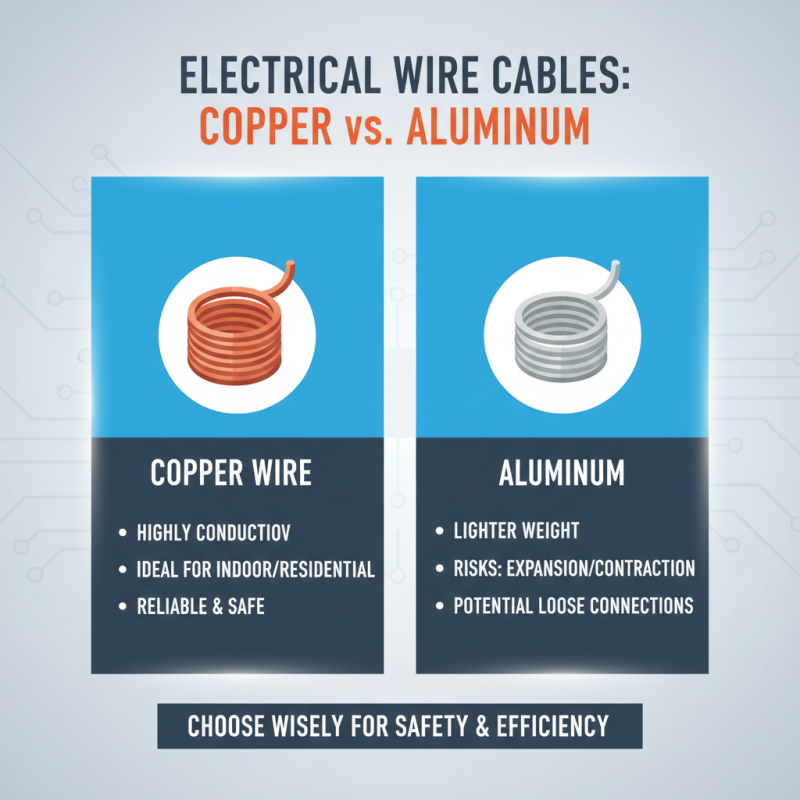
When it comes to electrical projects, choosing the right type of wire cable is crucial. Different applications require specific cables to ensure safety and efficiency. Common types include copper and aluminum wire. Copper wire is highly conductive and widely used. It works well for indoor settings, such as residential wiring. Aluminum wire, while lighter, carries certain risks. It can expand and contract with temperature changes, leading to loose connections.
In outdoor applications, weather-resistant cables are essential. These cables often feature a robust insulation layer to protect against moisture. However, not all cables are created equal. Some may not withstand extreme conditions well. It’s important to assess your environment before making a selection. Focus on the gauge as well; it affects the amount of current a wire can carry.
While it might seem straightforward, mistakes can happen. It’s easy to overlook the specific needs of your project. For instance, using the wrong gauge can lead to overheating. Always double-check your requirements and consult resources if needed. Remember, safety should be a priority. Making informed choices about wire types is vital for successful electrical work.
Understanding Different Wire Insulation Materials
When working on electrical projects, understanding wire insulation materials is crucial. Different types of insulation serve various purposes. For instance, PVC is commonly used for general applications due to its durability and affordability. It is well-suited for residential wiring. However, PVC might not withstand high temperatures.
Another popular option is XLPE, or cross-linked polyethylene. It offers greater thermal and chemical resistance than PVC. This makes it ideal for industrial environments. Yet, while XLPE provides durability, it can be more expensive. Thus, budget constraints can impact the choice.
Thermoplastics are also an option. They can soften under heat, making them easier to work with. However, they may lack long-term stability. Using these materials requires careful consideration of your project's demands. Different projects can lead to different insulation needs. Always assess the environment where the wire will be used to make informed decisions. Experimenting with various materials often reveals hidden challenges and unexpected benefits.
Comparing Cable Size and Gauge for Electrical Projects
Choosing the right wire cable is crucial for your electrical projects. The size and gauge of the cable determine how much current it can safely carry. For instance, thicker cables, which have a lower gauge number, can handle more power without overheating. It's essential to analyze your project requirements before making a decision.
Sometimes, people overlook the significance of gauge. A common mistake is assuming that a smaller gauge is always needed. In reality, smaller gauges are for high-power applications. Using a larger gauge for low-power devices can lead to inefficiency. Pay attention to the specific needs of your project.
Not everyone understands the complexities of cable sizing. Factors like the length of the cable run can affect performance. Longer runs require thicker cables to minimize voltage drop. Always evaluate your setup carefully. This consideration might seem trivial, but it can make a significant difference in performance and safety.
Top Types of Wire Cable for Your Electrical Projects
Specialty Wire Cables for Industrial and Commercial Use
When it comes to specialty wire cables for industrial and commercial use, understanding the types available can make a notable difference. Specialty wires play a vital role in electrical projects. They cater to specific environments and applications, enhancing safety and efficiency. According to a recent industry report, demand for specialty cables is projected to grow by 6% annually through 2027. This growth reflects their importance in sectors like automation and energy.
Choosing the right wire cable is critical. For example, Teflon-coated wires are excellent for high-temperature applications. They can resist heat better than standard cables. Meanwhile, silicone-insulated cables offer flexibility and durability in harsh conditions. However, improper selection can lead to short circuits or equipment failure. Always check specifications before purchasing.
Tips: Ensure wire cables meet your project’s voltage and current requirements. Look for certifications like UL, which prove reliability. Also, remember that not all cables perform well in every environment. Testing can identify potential flaws. A thorough analysis now can save costly repairs later.
Top Types of Wire Cable for Your Electrical Projects
| Cable Type |
Insulation Material |
Voltage Rating |
Application |
| THHN/THWN |
Nylon and PVC |
600V |
Indoor/Outdoor building wiring |
| XLP (Cross-Linked Polyethylene) |
Cross-Linked Polyethylene |
600V-35kV |
Underground and direct burial applications |
| SE (Service Entrance) |
Thermoplastic (usually PVC) |
600V |
Connecting to service panels |
| UF (Underground Feeder) |
Thermoplastic |
600V |
Rural and residential feeder applications |
| MG (Mining Cable) |
Rubber or Thermoplastic |
600V |
Mining and heavy-duty applications |
| RHH/RHW |
Thermoplastic |
600V |
Wet and dry locations |
Safety Standards and Wire Cable Ratings You Should Know
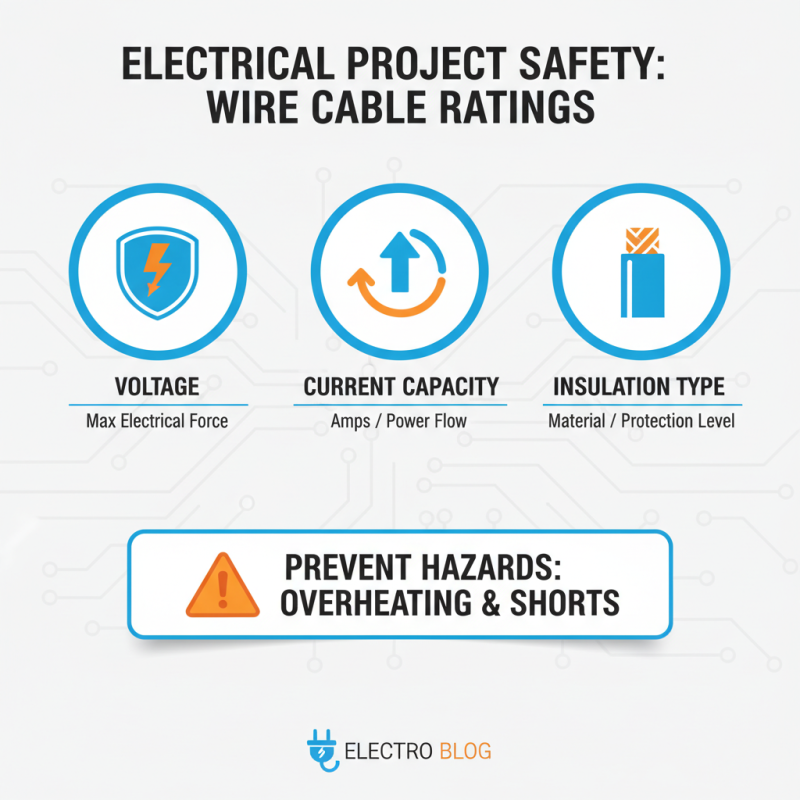
When working on electrical projects, understanding safety standards is crucial. Wire cable ratings determine how safely and effectively a cable can operate. These ratings include voltage, current capacity, and insulation type. Knowing these helps prevent hazards like overheating and electrical shorts.
Tip: Always verify the voltage rating before starting your project. Using a cable rated too low can lead to unsafe conditions.
Certain wire types have different applications. For example, THHN wire is great for dry environments, while UF wire is suited for underground use. Each type has specifications that must be followed to ensure safety.
Tip: Keep a checklist of wire types and their appropriate uses handy. This can prevent mix-ups during critical moments.
Reviewing these standards can seem tedious, but it's necessary. Neglecting to understand wire ratings might result in mistakes that could compromise safety. Stay informed and cautious throughout your project.