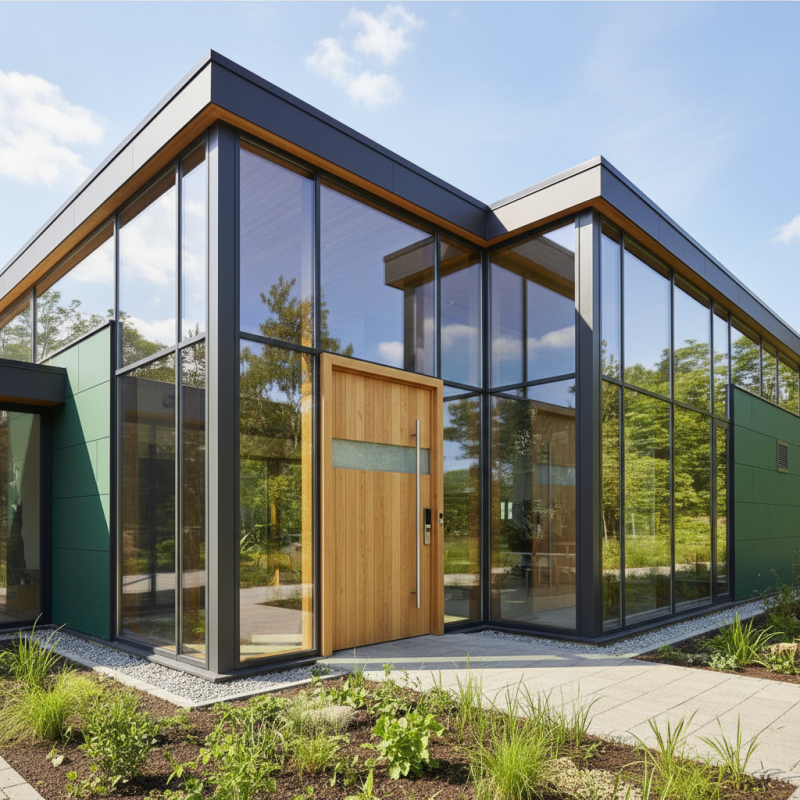
Top Trends in Windows and Doors for 2026 What to Expect?
As we approach 2026, the industry of Window & Door design is undergoing remarkable transformations. Homeowners are becoming more discerning. They seek styles that blend functionality with aesthetics. New trends emphasize energy efficiency, security, and smart technology integration.
The future promises innovations crafted with sustainability in mind. Larger glass panes are on the rise. They maximize natural light and enhance indoor spaces. However, the increased demand for sustainable materials raises questions about sourcing and production processes.
Expect to see colors and finishes that push boundaries. Bold hues will become mainstream, breaking from traditional whites and browns. Yet, manufacturers must consider how these changes affect marketability and consumer preferences. The landscape of Windows & Doors is evolving. It presents an opportunity for creativity and engagement in the industry.
Emerging Technologies in Windows and Doors for 2026
As we look ahead to 2026, the landscape of windows and doors is set to change dramatically. One emerging technology is smart glass. This glass can tint itself automatically based on sunlight levels. Imagine a room that adjusts its brightness without any manual effort. This feature promises energy efficiency and enhanced comfort. However, the cost of installation may be a barrier for many homeowners.
Another trend is the rise of composite materials. These materials combine wood, plastic, and metal for superior durability. They are resistant to weathering and require less maintenance. The design possibilities are also exciting, allowing for more creative aesthetics. On the downside, some traditionalists may find composite materials less appealing than classic wood.
Additionally, we are seeing integration with smart home systems. Doors and windows will connect seamlessly with security systems and climate controls. It’s convenient, but it raises questions about privacy and data security. Users must consider the implications of having their home monitored. Overall, the future of windows and doors in 2026 holds promise, along with challenges that require careful thought.
Top Trends in Windows and Doors for 2026: What to Expect?
| Trend | Description | Expected Impact | Emerging Technology |
| Smart Windows | Windows that adapt to changes in sunlight and temperature. | Improved energy efficiency and comfort. | Electrochromic glass technology. |
| Biophilic Design | Incorporating natural elements and views into window design. | Enhanced well-being and connection to nature. | Virtual reality design tools. |
| Sustainable Materials | Use of recycled and eco-friendly materials in window and door production. | Reduced carbon footprint and environmental impact. | Innovative composite materials. |
| Enhanced Security Features | Advanced locking mechanisms and smart security systems. | Increased homeowner safety and peace of mind. | Smart home integration technology. |
| Energy Efficient Doors | Doors designed to reduce heating and cooling costs. | Lower energy bills and environmental benefits. | High-performance insulation materials. |
Sustainable Materials and Their Impact on Design Choices
In 2026, sustainable materials will reshape the landscape of windows and doors. Designers are increasingly focused on eco-friendly options like reclaimed wood and recycled aluminum. These materials not only reduce environmental impact but also offer unique aesthetic qualities. Imagine a door crafted from reclaimed lumber, showcasing its rich history and natural imperfections. This adds character while promoting sustainability.
The shift towards sustainable materials may pose challenges. Sourcing can be inconsistent, leading to potential delays in production. Not all designers are well-versed in using these materials, which could hinder their innovative potential. There’s also the question of how these materials hold up over time. Balancing durability with environmental concerns remains a task that requires careful thought. However, the long-term benefits may outweigh these challenges, prompting a shift in design philosophy.
As we look forward, the industry must navigate these complexities. It’s an opportunity for creative solutions and fresh ideas. Designers should think critically about their materials and choices. The journey toward sustainability is just beginning, and it calls for constant reflection and adaptation.
Top Trends in Windows and Doors for 2026
This bar chart illustrates the projected usage of various sustainable materials in windows and doors design choices for 2026. The data reveals a shift towards eco-friendly options that align with modern sustainability trends.
Smart Home Integration: The Future of Windows and Doors
The future of windows and doors is set to be revolutionized by smart home integration. According to recent industry reports, around 35% of homeowners plan to invest in smart windows by 2026. These advanced technologies promise enhanced energy efficiency and comfort. Intelligent features will allow users to control lighting and airflow remotely, paving the way for optimized indoor environments.
While the benefits are clear, some may struggle with the complexity of these systems. For those unfamiliar with smart technology, the learning curve can be steep. Homeowners should thoroughly assess and educate themselves about different functionalities before making a purchase. Additionally, connectivity issues could arise, making it essential to ensure robust internet access.
Tips: Consider investing in user-friendly systems that offer tech support. Regular updates and maintenance are also crucial for longevity. Community forums can be valuable resources for troubleshooting. As you embrace these innovations, remain open to refining your approach and adapting to new developments in the realm of smart windows and doors.
Energy Efficiency Standards and Regulatory Changes Ahead
As we approach 2026, energy efficiency standards for windows and doors are likely to evolve significantly. Regulations will require manufacturers to meet stricter guidelines. This shift may lead to the introduction of innovative materials and designs. Homeowners will need to adapt to these changes. The focus will be on reducing energy consumption. Products that can minimize heat loss will be at the forefront.
While these regulations promise benefits, there are challenges too. Not all homes can easily integrate the latest technologies. Older structures may face retrofitting issues. This can increase costs and complicate installations. Not everyone will afford these upgrades right away. It's essential to find a balance between compliance and practicality.
Emphasizing energy efficiency could change the aesthetics of windows and doors. Sleek designs may incorporate better insulation. However, there might be compromises on traditional looks. Homeowners should weigh both functionality and style. Each choice will reflect personal values and preferences. The transition to these new standards is not just about technology, but also about lifestyle.
Design Aesthetics: Trends Shaping Window and Door Styles in 2026
In 2026, the design aesthetics of windows and doors will likely shift significantly. Experts project a growing preference for natural materials. Wood, especially sustainably sourced varieties, will gain popularity. This trend aligns with a broader movement towards eco-friendly construction. According to a recent market report, over 65% of homeowners prioritize sustainability in design choices.
Color palettes are also evolving. Earthy tones are becoming more mainstream, replacing the traditional whites and grays. Shades like terracotta and olive green will dominate. These colors create a warm, inviting atmosphere. Additionally, minimalistic designs will still hold appeal. Clean lines and simple forms offer a sense of tranquility. However, this may lead to a disconnect for some homeowners who enjoy ornate features.
Smart technology integration will shape window and door functionality. Innovations such as automated locking systems and energy-efficient glazing will enhance usability. Still, these tech advancements may not resonate with everyone. Some people may prefer classic, manual designs. This desire for simplicity clashes with the modern tech focus. Balancing functionality with traditional design remains a challenge. Adaptability will be vital in meeting diverse customer needs.