Top 10 Transformer Substations for Global Buyers Today?
In today's rapidly evolving energy landscape, Transformer Substations play a crucial role. These facilities are pivotal in optimizing the distribution of electrical power. As industry expert Dr. Emily Harris once stated, "The efficiency of transformer substations can make or break our energy future." This highlights the importance of selecting the right substations.
The demand for reliable transformer substations is at an all-time high. Global buyers are seeking options that promise efficiency and adaptability. Various factors come into play, from location to technology. Companies must analyze their choices carefully to avoid potential pitfalls.
Investing in modern transformer substations is a significant decision. Proper research is essential. New technologies emerge regularly, and older models may not meet today's standards. Ensuring that substations align with future energy needs is imperative. As we delve into the top 10 transformer substations, we’ll explore their features and significance.
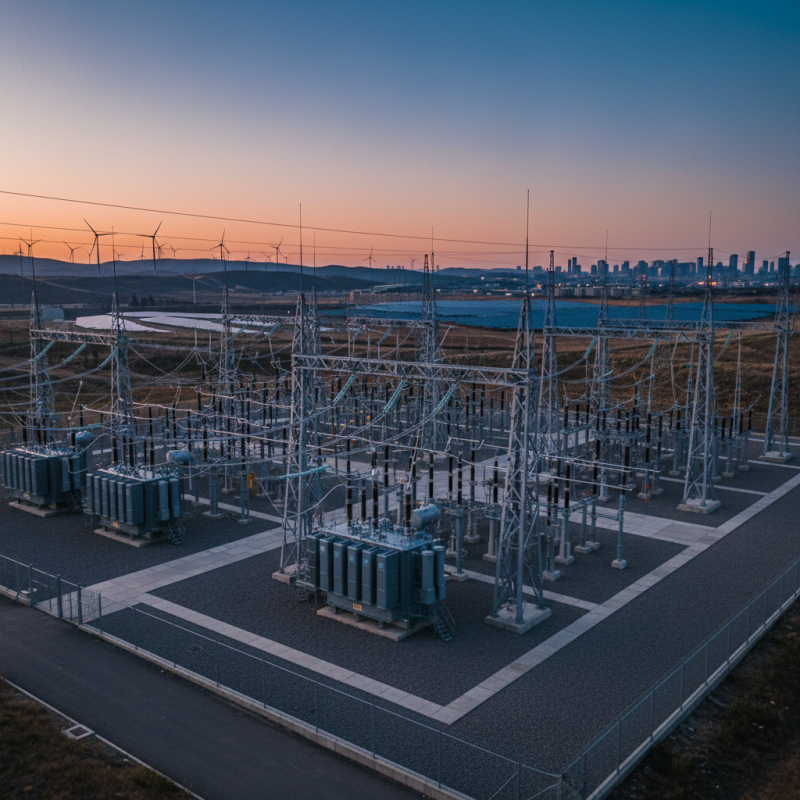
Global Overview of Transformer Substations and Their Importance
Transformer substations play a crucial role in power distribution systems worldwide. They convert high-voltage electricity to lower voltages suitable for consumers. This process enhances energy efficiency and ensures the stability of electricity supply. Their importance cannot be overstated as they support sustainable energy practices and meet growing energy demands.
**Tips:** Understand the technical specifications of substations. This includes voltage ratings, transformer capacity, and safety features. It's essential for proper integration into existing systems.
Modern transformer substations often incorporate advanced technologies. These innovations improve monitoring and control, reducing downtime. Yet, operators must remain cautious. New technologies can bring unexpected challenges, like integration issues or higher maintenance needs.
**Tips:** Regular training and updates for staff can mitigate risks. Develop contingency plans for equipment failures. Continuous improvement is key to enhancing substation reliability and efficiency.
Top 10 Transformer Substations for Global Buyers Today
| Rank | Substation Type | Capacity (MVA) | Location | Year Established |
| 1 | HVDC Substation | 3500 | North America | 2015 |
| 2 | GIS Substation | 2000 | Europe | 2010 |
| 3 | Step-Down Substation | 1500 | Asia | 2018 |
| 4 | Step-Up Substation | 1200 | Middle East | 2016 |
| 5 | Compact Substation | 800 | Africa | 2019 |
| 6 | Renewable Energy Substation | 400 | Australia | 2020 |
| 7 | Distribution Substation | 600 | South America | 2017 |
| 8 | Switching Substation | 900 | North America | 2014 |
| 9 | Substation Transformer | 700 | Asia | 2021 |
| 10 | Control Substation | 500 | Europe | 2022 |
Key Features to Consider When Choosing a Transformer Substation
When selecting a transformer substation, several key features require careful consideration. The first aspect is the electrical capacity. It is essential to match the substation's capacity with the specific requirements of the project. Oversized units can lead to inefficiencies and increased costs. Conversely, undersized substations might not suffice, causing potential operational failures.
Another important feature is the cooling system. Transformer efficiency is closely linked to temperature management. Effective cooling can extend the lifespan of the transformer and improve performance. Buyers should consider whether the transformer uses air, oil, or other cooling methods. Each option has its pros and cons.
Furthermore, accessibility for maintenance must not be overlooked. A well-designed substation should allow easy access for inspections and repairs. Complicated setups can lead to increased downtime and higher operational risks. Always reflect on the layout and potential future expansions. Choosing wisely can create long-term value and reliability in the power supply landscape.
Top 10 Transformer Substations: Summary of Specifications and Ratings
In today's global energy market, transformer substations play a vital role. They convert high voltage electricity to lower voltage for homes and industries. Understanding their specifications and ratings is crucial for buyers. Each substation has unique features, often tailored for specific needs.
Tips for selection: Assess the power capacity required for your project. Look for substations that meet international safety standards. Durability should also be a priority; materials used can impact long-term reliability.
Consumer insights are essential. Some products may meet specifications but lack proper after-sales support. Research user reviews and performance metrics before making decisions. Always approach with careful consideration, as the wrong choice can lead to costly mistakes.
Performance metrics often include efficiency ratings and load capacity. It’s wise to pay attention to these details. They can provide insights into the operational costs over time. Balancing initial investment with potential savings is key. Evaluate all factors carefully before proceeding.
Comparative Analysis of Leading Transformer Substation Manufacturers
In the competitive landscape of transformer substations, manufacturers are evaluated on multiple criteria. Key metrics include efficiency, reliability, and technological innovation. Reports indicate that leading brands often showcase transformer efficiency ratings exceeding 98%. Some manufacturers integrate advanced cooling technologies, enhancing performance in harsh climates.
Cost-effectiveness is another vital aspect. It is essential to analyze the total cost of ownership, not just the initial investment. A recent survey revealed that procurement managers prioritize long-term operational costs over upfront pricing. This shift reflects a deeper understanding of lifecycle impacts on project budgets.
Sustainability remains a growing concern. Many manufacturers are adopting eco-friendly practices, such as using recyclable materials and energy-efficient designs. The push for more sustainable options often leads to complex choices for buyers. Not all manufacturers are equally equipped to meet these demands, highlighting the need for careful consideration and comparison. Addressing these factors can lead to better-informed decisions in this evolving market.
Future Trends and Innovations in Transformer Substation Technology
The future of transformer substations holds exciting trends and innovations. As energy demands rise, technology adapts to enhance efficiency. Smart grids are becoming crucial. These grids integrate digital technology, allowing real-time monitoring and control of energy flows. This shift enhances reliability and reduces downtime in power distribution.
Another notable trend is the use of renewable energy sources. Substations are evolving to accommodate solar and wind energy. This adaptation is essential for sustainability. Moreover, innovative materials are being developed for transformers. They improve thermal management and enhance performance. Increased efficiency can lead to lower operational costs.
Despite these advancements, challenges remain. The integration of new technologies can be complex. Training personnel to handle advanced systems is critical. Potential cybersecurity threats must be addressed as substations become more interconnected. As the industry progresses, continuous assessment of these innovations will be necessary to ensure they meet future demands.