2026 Top SS Wire Mesh Types for Global Buyers Needs?
When considering the diverse applications of ss wire mesh, global buyers must navigate a market filled with options. The year 2026 presents an evolving landscape for ss wire mesh types. High-quality materials play a crucial role in meeting both industrial and architectural demands. Buyers need to assess the durability, corrosion resistance, and customization options available.
In this dynamic market, understanding the various types of ss wire mesh can lead to better purchasing decisions. For instance, woven wire mesh offers flexibility in design, while welded mesh provides structural strength. Each type serves specific needs in construction, filtration, and safety. However, not all suppliers uphold the same standards. Reliability and transparency information is vital for sourcing trustworthy products.
Faced with numerous choices, buyers should reflect on their specific needs and potential applications. The journey to find the right ss wire mesh may come with challenges, but informed decisions can make it worthwhile. Embracing innovation and focusing on quality can lead to successful outcomes in any project.
Types of SS Wire Mesh and Their Global Applications
Stainless steel (SS) wire mesh is a versatile material with various applications globally. Its resistance to corrosion and high durability make it suitable for several industries. According to data from the Global Wire Mesh Market Analysis Report, the demand for stainless steel wire mesh is expected to grow at a compound annual growth rate (CAGR) of approximately 5% through 2026. This growth reflects the increasing need for SS wire mesh in architecture, construction, and filtration systems.
Several types of SS wire mesh are gaining popularity. For instance, welded wire mesh is favored for its structural integrity and ease of installation. This type often finds use in fencing, reinforcement for concrete, and safety barriers. Then there is woven wire mesh, which offers excellent filtration properties. It is commonly utilized in food processing and pharmaceuticals, ensuring product purity and safety.
Despite the advantages, some challenges persist. The manufacturing process can be energy-intensive, raising sustainability concerns. Furthermore, fluctuating raw material prices impact production costs. Buyers must navigate these complexities while meeting their specific needs. The market requires continuous innovation and improvement to stay competitive and reliable as global applications evolve.
2026 Top SS Wire Mesh Types for Global Buyers Needs
Factors Influencing Buyer Preferences for SS Wire Mesh
When considering stainless steel (SS) wire mesh, buyer preferences are influenced by several key factors. The choice of wire mesh often hinges on the intended application. According to a recent industry report, nearly 45% of buyers prioritize corrosion resistance, as this property significantly impacts durability and longevity. Furthermore, specific industries like food processing may demand mesh that meets strict hygiene standards, thereby affecting buyer choices.
Cost is another major influence. Buyers typically evaluate their budget against mesh quality and performance. Detailed data indicates that nearly 60% of buyers are willing to pay more for higher quality. This trend reflects a growing awareness of the long-term savings associated with high-durability materials. However, some buyers still prioritize initial costs over long-term benefits, leading to potential regrets.
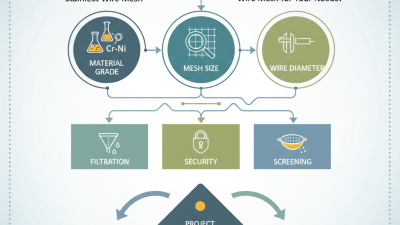
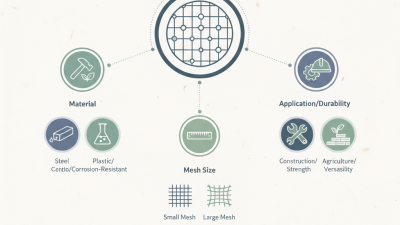
In terms of practicality, the mesh's wire diameter, opening size, and weave pattern also play crucial roles. These specifications dictate the mesh's functionality in various applications, from filtration to structural use. Failing to consider these aspects can lead to underperformance, which may require costly replacements. Understanding these nuances ensures that buyers make well-informed decisions that meet their specific needs without compromising on quality or functionality.
Comparative Analysis of SS Wire Mesh Types in the Market
When examining the various types of stainless steel (SS) wire mesh available in the market, several factors come into play. It's essential to recognize that different mesh types serve diverse purposes. For instance, 304 SS wire mesh is known for its corrosion resistance, making it popular for food processing. On the other hand, 316 SS wire mesh offers even better resistance to saltwater and harsh chemicals, making it ideal for marine applications.
Buyers often face challenges in selecting the right type. Analyzing the construction method is crucial. Some wire meshes are welded, while others are woven. Welded mesh tends to be stronger, but woven mesh can offer better flexibility. The choice depends on the specific application. Moreover, the mesh's opening size affects both strength and airflow. A finer mesh provides filtration but may limit airflow, which might not suit every application.
In considering these factors, it's important to note that the market does not always categorize products clearly. Many consumers may find it difficult to navigate through options without expert guidance. Reflecting on personal needs and applications can lead to better decisions. Understanding specific requirements can prevent mistakes and improve overall satisfaction with the chosen SS wire mesh type.
2026 Top SS Wire Mesh Types for Global Buyers Needs
| Mesh Type |
Wire Diameter (mm) |
Aperture Size (mm) |
Opening Style |
Common Applications |
| Welded Wire Mesh |
1.0 |
25 |
Square |
Fencing, Reinforcement |
| Stainless Steel Woven Mesh |
0.5 |
15 |
Plain, Twill |
Filtration, Separation |
| Perforated Sheet Metal |
1.5 |
30 |
Round Holes |
Architecture, Grilles |
| Expanded Metal |
2.0 |
Varies |
Diamond |
Security, Safety Covers |
| Vibrating Screen Mesh |
0.7 |
10 |
Square, Rectangular |
Mining, Quarrying |
Future Trends in SS Wire Mesh Demand and Production
The demand for stainless steel (SS) wire mesh is projected to surge by 6.5% annually, driven by its extensive use in industries such as construction, filtration, and automotive. Emerging markets, particularly in Asia-Pacific, play a crucial role in this growth. These regions are focusing on infrastructure development, which significantly boosts SS wire mesh consumption. According to a recent report by Grand View Research, the stainless steel wire mesh market was valued at approximately $850 million in 2022. This trend indicates strong global interest and signifies evolving consumer preferences.
Future production trends highlight the shift towards eco-friendly manufacturing processes. More manufacturers are investing in sustainable practices to reduce their carbon footprint. Reports indicate that over 30% of wire mesh production facilities are adopting greener technologies. Additionally, innovations in alloy compositions are anticipated to improve product performance. This could attract a broader range of buyers, including those from the renewable energy sector. However, these advancements may present challenges in terms of cost and availability of raw materials, potentially causing supply chain disruptions.
The landscape of SS wire mesh is set to evolve, influenced by changing industry demands and regulatory pressures. As sustainability takes center stage, manufacturers will face an ongoing need to balance efficiency and environmental responsibility. The evolving preferences of buyers, coupled with technological advancements, will likely reshape future strategies in this vital industry.
Best Practices for Sourcing SS Wire Mesh Globally
Sourcing stainless steel wire mesh globally requires a deep understanding of the market. It’s essential to identify local manufacturers who specialize in SS wire mesh types that suit your needs. Researching their production capacity is vital. Some might offer excellent products but struggle with timely delivery. Communication plays a crucial role in establishing reliable partnerships. Clear dialogue can prevent misunderstandings that lead to delays.
When evaluating suppliers, pay attention to their certifications. These documents validate their adherence to industry standards. However, relying solely on these can be misleading. Some suppliers may showcase certifications but lack the actual quality in production. Consider requesting samples before committing to large orders. This way, you can assess the product quality first-hand.
Additionally, it's wise to explore multiple suppliers. This helps in comparing not just prices, but also production capabilities and customer service. Some suppliers may have lower prices but fail in delivery or quality. Having options lets you make informed decisions without locking in on one source too soon. Always remain cautious and prioritize building long-term relationships over simple transactions.