Top Industrial Dynamic Checkweighers at China Import Export Fair?
The China Import Export Fair, also known as the Canton Fair, is a significant event for businesses worldwide. Scheduled for April to May 2026, the Fair will focus on advanced manufacturing and innovative technology. Among the highlights, "Industrial Dynamic Checkweighers" will take center stage. These devices are crucial for ensuring product quality and compliance in manufacturing. They operate with high precision and efficiency, catering to various industrial needs.
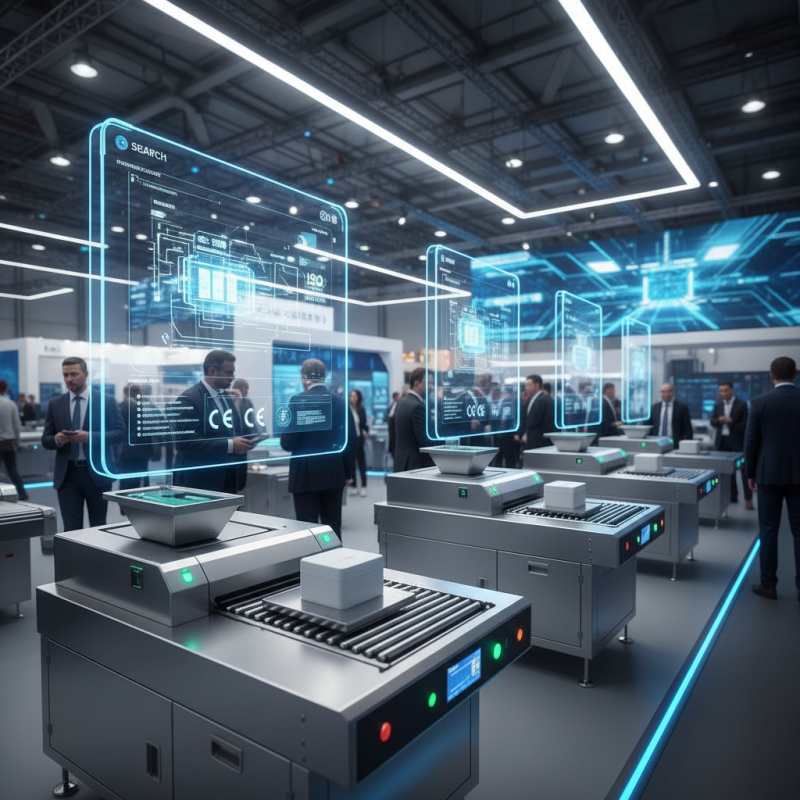
This year's Fair introduces advanced AI features that enhance the buyer's experience. With a massive exhibition space of 1.55 million square meters, the AI-enabled search allows for precise vendor matching. Buyers can filter suppliers who hold specific certifications, including ISO and CE. This not only saves time but also streamlines the decision-making process.
Despite the innovations, challenges remain. The integration of new technology may present obstacles for some exhibitors. Not everyone is adept with these advancements. As the Fair approaches, participants need to reflect on how to effectively leverage these tools. The Industrial Dynamic Checkweigher technology can redefine efficiency, but learning curves may impact its immediate uptake.
Overview of Checkweighers in Industrial Applications
Checkweighers have become vital in various industrial applications, particularly in manufacturing and logistics. They ensure that products meet weight specifications and help in maintaining quality control. Recent industry reports indicate that the global checkweigher market is expected to grow at a CAGR of 5.6% from 2022 to 2030. This reflects the increasing demand for accuracy and efficiency in production lines.
In food and beverage, for instance, checkweighers minimize waste. They help avoid both underfilling and overfilling of products. An estimated 20% of products are rejected in processing plants due to weight discrepancies. This can lead to significant cost implications. Companies must invest in technology to reduce these waste levels. However, many still struggle with integrating advanced checkweighers into existing systems.
The pharmaceutical industry also benefits from checkweighers. Regulatory compliance is crucial, and precise weight measurements are mandatory. Studies show that nearly 30% of production issues are tied to inaccurate measurements. Even small errors can result in non-compliance, affecting product distribution. Ongoing training for staff operating these devices is often overlooked. Addressing this gap is essential for optimizing checkweigher operations.
Top Industrial Dynamic Checkweighers at China Import Export Fair
This chart displays the weight accuracy of the top industrial dynamic checkweighers presented at the China Import Export Fair. The measured weight accuracy is crucial for industries to ensure quality control in production processes.
Key Features of Top Dynamic Checkweighers
Dynamic checkweighers play a vital role in quality control. They ensure products meet the required weight specifications. These machines are essential in various industries. From food to pharmaceuticals, accuracy is crucial. A well-designed dynamic checkweigher can streamline processing.
Key features are critical. High-speed operation is necessary for efficiency. Many models offer a compact design, saving valuable floor space. Some systems include advanced software for data collection. This aids in tracking product specifications over time. User-friendly interfaces attract operators. However, the complexity of setting up the system should not be underestimated. Calibration might take longer than expected.
Another feature to consider is the ability to handle various products. Dynamic checkweighers can adapt to different sizes and shapes. Yet, this flexibility may have limitations. Some systems struggle with highly unstable products. Regular maintenance is essential for consistent performance. Even the best machines require oversight. Understanding these aspects is important for optimal usage.
Leading Brands Showcased at the China Import Export Fair
At this year's China Import Export Fair, leading brands showcased advanced industrial dynamic checkweighers. These machines play a crucial role in quality control and efficiency for manufacturers. According to a recent market report, the demand for dynamic checkweighers has grown by 10% annually. This growth reflects the rising need for precise weight measurement across industries.
Many exhibitors displayed state-of-the-art technology. Some models are capable of processing up to 300 items per minute. However, not all checkweighers meet industry standards, leading to inconsistencies in product weight. This can result in financial losses and regulatory fines. A survey indicated that 30% of companies struggle with compliance issues due to outdated equipment.
One innovative feature highlighted was multi-functionality. Some checkweighers not only weigh items but also check for packaging defects. This integration cuts down on labor costs. Yet, many attendees pointed out that training staff to operate new technology remains a challenge. As industries evolve, ensuring proper utilization of new equipment is essential for maximizing benefits.
Market Trends Shaping the Future of Industrial Checkweighers
The industrial checkweigher market is rapidly evolving. Technologies are improving, ensuring better accuracy and speed. Companies are highly focused on meeting strict regulations. These devices help manufacturers maintain quality control. Checkweighers are now more sophisticated than ever.
Tips: Always evaluate the specific needs of your production line. Take time to assess weight requirements and operating speeds. This will lead to better investment decisions.
Another trend is the integration of AI. Artificial intelligence can enhance data analysis. This provides insights into production trends. However, some companies face challenges adapting to these technologies. Resistance to change can slow progress. It’s essential to foster a culture of innovation.
Tips: Encourage staff training on new systems. This can alleviate fears and boost performance. Step-by-step implementation can also ease the transition.
The move toward sustainability is notable. Eco-friendly materials and energy-efficient designs are gaining traction. Yet, some businesses still prioritize cost over sustainability. Reflecting on long-term benefits may alter this mindset. Companies should be open to new approaches and technologies.
Importance of Accuracy and Compliance in Weighing Systems
In the realm of industrial weighing, accuracy and compliance are paramount. A reliable checkweigher ensures that products meet specified weight requirements. This is crucial in sectors such as food, pharmaceuticals, and packaging. When weights are off, companies risk losing credibility and facing costly fines.
Installing advanced checkweighers can enhance accuracy. However, it’s important not to rely solely on technology. Regular maintenance is essential. Human oversight cannot be underestimated. An operator’s judgment can catch errors that machines may overlook. While automation increases efficiency, human monitoring adds a layer of reliability.
Compliance with regulations is another critical aspect. Weight discrepancies can lead to serious consequences. Inconsistent measurements can affect product quality and safety. Companies must be vigilant in their compliance efforts. Training staff to understand the importance of accurate weighing systems is necessary. Mistakes can happen, but ongoing education and proactive measures can mitigate risks.