


In the realm of wastewater treatment, the Dissolved Air Flotation System has gained immense traction. This technology is pivotal for efficient solids removal and the treatment of industrial effluents. According to Dr. John Smith, a leading expert in water treatment technologies, "Dissolved Air Flotation Systems are vital for modern wastewater management."
As China emerges as a hub for environmental solutions, numerous manufacturers are stepping up. The competition among these companies drives innovation and enhances system efficacy. Some manufacturers, however, still struggle with scalability and consistency in product quality. This inconsistency can hinder the adoption of Dissolved Air Flotation Systems, despite their proven benefits.
Trusted manufacturers aim to deliver reliable systems that meet industry needs. Yet, the market landscape is ever-evolving. It is essential for stakeholders to critically assess their options. Identifying the top manufacturers involves more than just reputation; it requires a look into their technologies and efficiencies. The future of the Dissolved Air Flotation System industry hangs in the balance, influenced by these critical evaluations and ongoing advancements.
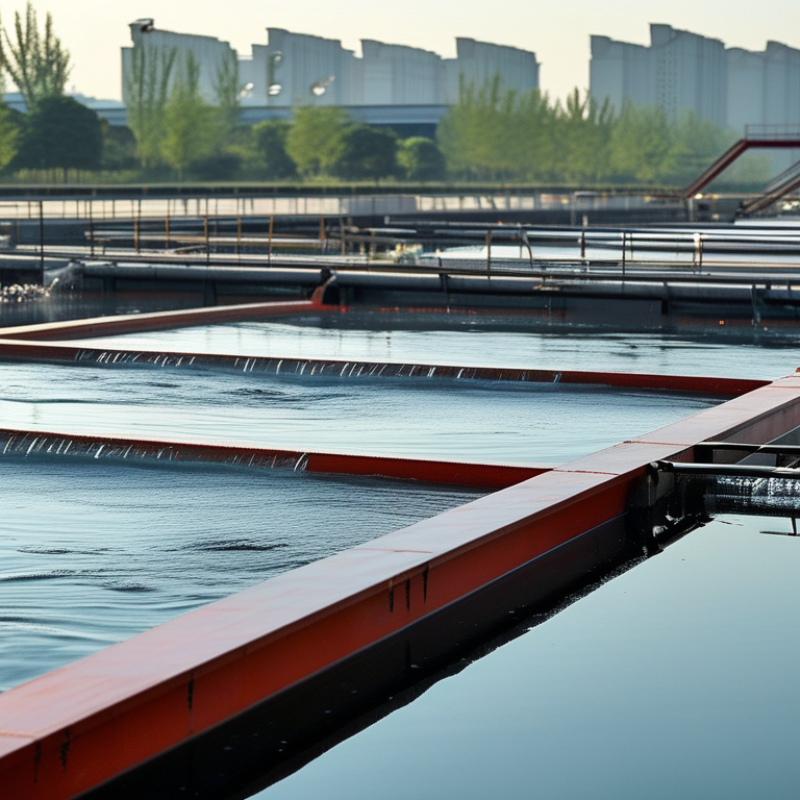
Dissolved Air Flotation (DAF) systems play a crucial role in wastewater treatment across various industries in China. They utilize microbubbles to separate oils, solids, and other impurities from water. This technology is particularly effective for removing suspended solids from industrial effluents. It has gained prominence due to its efficiency and ability to handle high solid concentrations.
The design of DAF systems often includes a floatation chamber and a separator. These components work together to enhance purification. However, the initial installation and maintenance can be costly. Companies must consider these factors carefully to ensure long-term operational success. Regular maintenance is critical. Neglecting it could lead to reduced efficiency over time.
Tips: Choose a DAF system suitable for your specific wastewater characteristics. Evaluate the flow rates and solids content. This ensures optimal performance. Additionally, train your staff on proper operational protocols. Adequate training can mitigate common issues, maintaining the system's reliability.
Understanding the performance metrics of these systems can be challenging. Many manufacturers publish efficiency data, but actual results can vary. Review independent assessments when possible to gain a clearer picture of effectiveness. Continuous monitoring of system performance is essential. It helps identify potential improvements and spot issues early on.
Dissolved Air Flotation (DAF) technology plays a critical role in water treatment processes. It effectively separates suspended solids, oils, and greases from wastewater. This mechanism improves overall water quality and compliance with environmental regulations. According to industry reports, DAF systems can achieve over 90% removal efficiency for certain contaminants, making them a preferred choice for many sectors.
One of the key benefits of DAF systems is their versatility. They can handle various types of wastewater, from industrial effluent to municipal sewage. The implementation of DAF technology reduces the need for chemical coagulants, which can be cost-effective. In fact, studies show a reduction in operational costs by 30% due to lower chemical and energy usage compared to traditional treatment methods.
However, the technology is not without challenges. Proper maintenance and operator training are essential for optimal performance. Users often report issues related to system scalability and the need for constant monitoring. Achieving the perfect balance in dissolved air ratios remains a common area of improvement. Attention to these details can enhance efficiency and reliability, leading to better overall outcomes in wastewater treatment.
| Manufacturer | Key Features | Benefits | Technology |
|---|---|---|---|
| Manufacturer A | High efficiency, compact design | Lower operational costs, reduced footprint | Fully automated controls |
| Manufacturer B | Robust construction, energy-efficient | Longer service life, minimal maintenance | Innovative air flotation technology |
| Manufacturer C | Modular system, customizable configurations | Flexibility in installation, high adaptability | Advanced separation technologies |
| Manufacturer D | Low energy consumption, high throughput | Cost-effective operation, efficient sludge management | Dissolved air technology |
| Manufacturer E | Adaptable for various applications | Enhanced compatibility and performance | Hybrid flotation processes |
| Manufacturer F | Compact design, high separation efficiency | Saves space, increases treatment capacity | Innovative design features |
| Manufacturer G | Easy installation, user-friendly operation | Reduced setup time, operational efficiency | State-of-the-art control systems |
| Manufacturer H | High reliability, long operational life | Dependable service, minimized downtime | Proven flotation mechanisms |
| Manufacturer I | Advanced materials, corrosion-resistant | Longevity, reduced maintenance costs | Cutting-edge DAF technology |
| Manufacturer J | Intuitive user interface, smart sensors | Enhanced monitoring, ease of use | Integration with existing systems |
When evaluating manufacturers of Dissolved Air Flotation (DAF) systems, several key criteria come into play. Quality of materials used is paramount. Look for durable and corrosion-resistant components. This ensures longevity and reduced maintenance costs. Customer support also plays a crucial role; responsive service can make a significant difference.
Performance metrics are essential. Check the efficiency rates of the DAF systems. Some systems may not perform as effectively in different operational conditions. Users should also consider customization options. Tailored solutions can better meet specific industry needs.
Tips: Always request case studies from manufacturers. This can provide real-world evidence of performance. Don't hesitate to seek feedback from existing clients. Their experiences can guide your decision-making process. Remember, investing time in research can yield higher long-term satisfaction with your DAF system.
Dissolved Air Flotation (DAF) systems play a crucial role in wastewater treatment. In China, several manufacturers lead the market with innovative technologies. According to a 2023 industry report by Research and Markets, the DAF market in China is projected to grow at a CAGR of 6.8% over the next five years. This growth highlights the increasing demand for effective water treatment solutions.
The key players in China's DAF market focus on optimizing their systems for better efficiency and lower operational costs. They utilize advanced engineering practices to enhance flotation performance. A study by Global Water Intelligence indicates that these systems can achieve over 90% removal efficiency for suspended solids when operated correctly. However, there are challenges. Many DAF systems often face issues related to maintenance and operational monitoring, impacting their overall performance.
Another aspect to consider is the environmental impact. While DAF systems are effective, they also consume significant energy during operation. Manufacturers are now exploring ways to reduce the carbon footprint of these systems. There’s room for improvement in developing sustainable technologies that further minimize energy usage. As the industry evolves, it is crucial for manufacturers to stay adaptable and continually improve their practices.
Dissolved Air Flotation (DAF) systems are gaining traction in China’s industrial landscape. These systems excel in wastewater treatment by efficiently removing suspended solids. Innovations in this sector focus on improving efficiency and lowering energy consumption. Manufacturers are developing advanced technologies that integrate automation and real-time monitoring.
One notable trend is the use of more sustainable materials in DAF system construction. As environmental concerns rise, eco-friendly options gain popularity. However, challenges remain. Many manufacturers struggle to balance cost and performance. Creating systems that are both affordable and effective requires continuous innovation.
The integration of AI and machine learning is another trend to watch. These technologies can optimize performance by predicting equipment needs. Yet, the industry faces a learning curve with these advancements. Training personnel to adapt to new systems is essential for maximizing benefits. Overall, the DAF manufacturing sector in China is moving toward more sustainable and efficient solutions, but it must confront significant challenges along the way.