Top 10 Crucibles for Aluminium Melting at Canton Fair 2026?
The upcoming 2026 Canton Fair promises to showcase groundbreaking advancements in the "Crucible For Aluminium Melting" industry. Set against the backdrop of advanced manufacturing, this event will gather leading experts and suppliers, highlighting innovative products. According to industry analyst John Smith, “High-quality crucibles are essential for efficient melting processes.” His insights reflect the growing demand for durable materials in aluminum production.
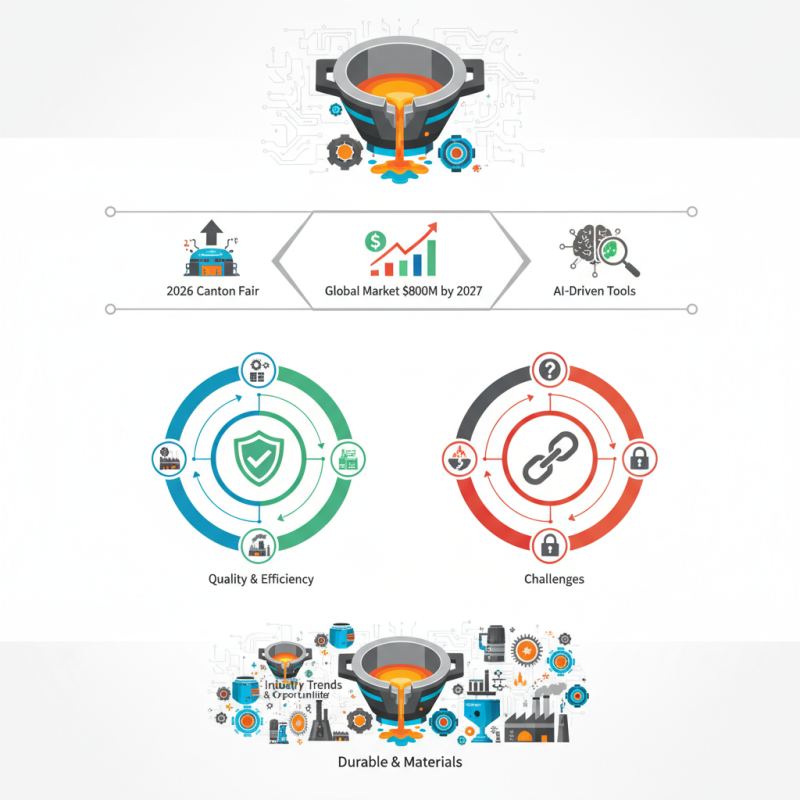
Recent studies indicate that the global market for aluminium melting crucibles is expected to reach $800 million by 2027. This growth demands that suppliers continuously improve their offerings. The introduction of AI-driven tools at the Canton Fair will help purchasers navigate this vast landscape, targeting certified suppliers more effectively. The fair spans over 155,000 square meters, and it is a critical venue for discovering the latest trends in melting technology.
However, it’s important to reflect on the challenges in this sector. Many suppliers still lack proper certification. The fair can bridge this gap, but efficiency and quality must be prioritized. Attendees should focus on sourcing crucibles that meet stringent quality standards, ensuring they remain competitive in a rapidly evolving market. The phrase “Crucible for Aluminium Melting” encapsulates both challenges and opportunities in this vital industry.
Top 10 Crucible Designs for Efficient Aluminium Melting
When it comes to aluminium melting, selecting the right crucible is vital. Effective design impacts energy efficiency and melting speed. A well-designed crucible optimizes heat retention. This leads to faster melting time and superior results. Look for materials that withstand high temperatures. Options include ceramic and graphite-based crucibles.
Choosing an appropriate shape is crucial. Certain designs allow better heat distribution. A tapered or wide opening can facilitate efficient pouring. Make sure to consider the crucible’s depth as well. Deeper crucibles can reduce oxidation but may take longer to heat up.
Tips: Inspect the weight of the crucible. Heavier crucibles tend to retain heat more effectively. This can save energy in the long run. Also, remember that surface texture matters. A smooth interior can streamline cleaning and prevent residue build-up.
Not all designs guarantee efficiency. Some may require frequent repairs. It's essential to thoroughly evaluate each option. Mistakes can lead to wasted resources and time. Always consider your specific needs before making a choice.
Materials Used in Aluminium Melting Crucibles: A Comprehensive Overview
Aluminium melting crucibles are essential for efficient casting processes. The materials used in these crucibles significantly impact performance and durability. Usually, manufacturers focus on ceramic and graphite. Ceramic crucibles are popular due to their excellent thermal resistance. They withstand high temperatures while ensuring minimal contamination of the aluminium.
Graphite, on the other hand, is known for its thermal conductivity. This material ensures even heat distribution. However, graphite crucibles can be expensive. Some users have reported issues with longevity. The right choice often depends on specific melting conditions. High-quality crucibles are critical in enhancing productivity. Yet, improper handling can lead to cracks or breakage.
In addition, some crucibles incorporate insulation materials. These materials can significantly reduce energy consumption. Users may find it challenging to balance cost and performance. Some may prefer more affordable options; however, this can affect the final product's quality. Understanding these materials is crucial for making informed decisions. Effective melting relies heavily on the proper crucible selection.
Key Features to Look for in Aluminium Melting Crucibles
When selecting aluminium melting crucibles, understanding key features is vital. Crucibles must resist high temperatures and thermal shock. They should hold up to 900°C or higher, as aluminium melts at 660°C. Materials like graphite or ceramics are popular choices due to their durability.
A fine crucible enhances energy efficiency. An insulated design minimizes heat loss. Industry reports suggest that efficient designs can reduce energy consumption by up to 20%. Consideration of crucible size is crucial. Larger crucibles can hold more metal, but they may also take longer to heat up.
Tips: Always inspect for uniform wall thickness. Uneven walls can lead to premature wear. Look for crucibles with a smooth internal finish. This quality aids in easy pouring and reduces contamination. Testing and certifications are essential, ensuring safety and reliability.
The choice will ultimately depend on the specific requirements of your melting process. Different applications may require different properties in crucibles. Remember that every feature counts; a small omission can lead to costly consequences. Keep your options open and assess the market thoroughly.
Top 10 Crucibles for Aluminium Melting at Canton Fair 2026
This chart displays the temperature resistance of the top 10 aluminium melting crucibles showcased at the Canton Fair 2026. Consider these features when evaluating crucibles for high-efficiency aluminium melting processes.
Comparative Analysis of Leading Brands at Canton Fair 2026
At the Canton Fair 2026, the focus on aluminium melting crucibles will showcase significant advancements in technology. The comparative analysis of leading brands reveals a diverse range of offerings. Some products promise enhanced thermal efficiency, while others emphasize durability. Reports indicate that optimal thermal conductivity can reduce energy consumption by up to 25%. This statistic is crucial for industry players looking to cut costs.
The materials used in crucible construction are also under scrutiny. Certain brands utilize advanced ceramic composites, which enhance resistance to oxidation. Data suggests that crucibles with improved oxidation resistance can extend service life by a staggering 40%. However, some analysts warn that not all manufacturers adhere to the same quality standards. This inconsistency can lead to questionable performance in high-temperature applications.
Additionally, user feedback highlights the importance of surface finish. A smoother interior can facilitate better melting performance and reduce dross formation. Companies need to understand that not all finishes are created equal. Considerations like ease of cleaning and thermal shock resistance vary significantly. Attendees at the fair should weigh these factors carefully before making purchasing decisions.
Innovative Technologies in Aluminium Melting Crucibles and Their Benefits
Innovative technologies in aluminium melting crucibles are essential for advancing the industry. At the Canton Fair 2026, attendees will witness groundbreaking designs. Modern crucibles incorporate advanced materials that enhance thermal conductivity. This improvement significantly reduces melting times, promoting energy efficiency.
Furthermore, smart technology integration allows for better temperature regulation. These crucibles can adjust to varying conditions. However, this feature raises concerns about reliability. Are we too reliant on technology? The balance between innovation and traditional methods is a topic for discussion.
Manufacturers are also exploring eco-friendly materials. These alternatives aim to reduce environmental impact. While promising, they may not always meet durability standards. This situation invites reflection on how to prioritize sustainability without compromising performance. The future of aluminium melting is evolving, and it presents both challenges and opportunities.