Top 10 Control Components You Need for Your Project?
In any engineering project, the choice of Control Components is crucial. These components dictate the efficiency and reliability of your systems. Understanding the top control components available is vital for success.
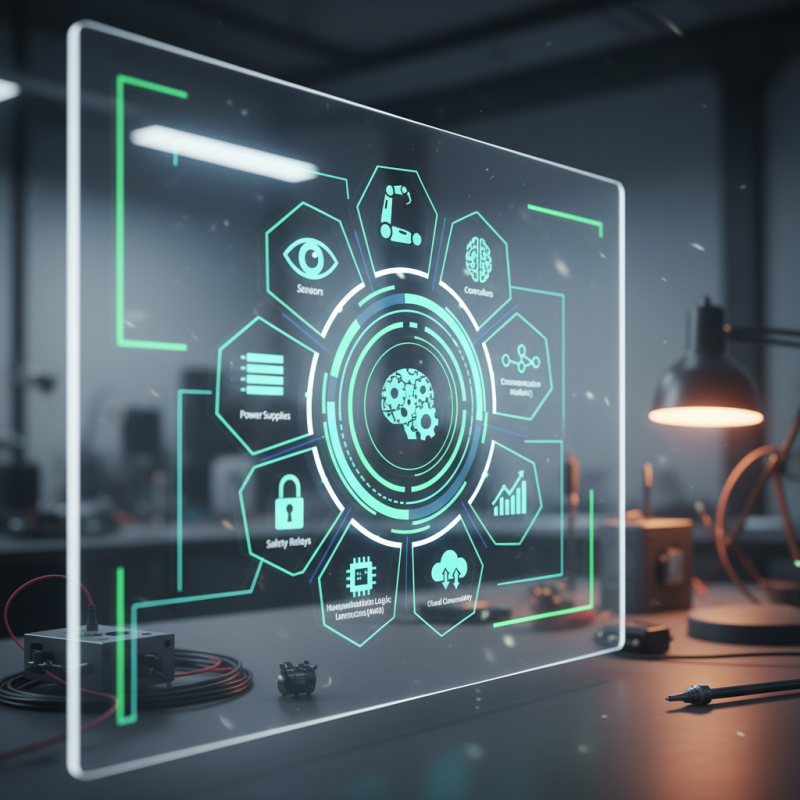
Control Components vary in type and functionality. From sensors to actuators, each plays a unique role in system management. For example, sensors detect changes in the environment. Actuators, on the other hand, respond to those changes. Choosing the right balance is not always straightforward.
Consider the project needs carefully. Sometimes, a component may seem ideal but falter in real-world applications. This mismatch can lead to system failures. Therefore, it’s essential to analyze and reflect on each option. By exploring these Control Components, you empower your projects to reach their full potential.
Essential Control Components: Overview and Importance
Control components are vital for any project. They ensure efficiency and reliability in various applications. A report by the International Society of Automation indicates that nearly 40% of project failures stem from inadequate control systems. Thus, understanding control components is essential.
These components include sensors, actuators, and controllers. Sensors gather data from the environment. Actuators then convert this data into actionable responses. It’s crucial to select high-quality components. Low-quality parts can lead to faulty operations. A recent survey found that 30% of companies experienced failures due to poor component selection.
Moreover, ongoing maintenance is often overlooked. Many projects underestimate the importance of regular checks on control components. According to a study, neglecting maintenance can increase operational costs by up to 25%. Proper management of these components can save money and enhance project success. The relationship between these elements is complex and deserves careful consideration.
Types of Control Components for Various Projects
When working on a project, selecting the right control components is crucial. Different projects require distinct types of control elements. For instance, in automation projects, you might need sensors that can detect changes in the environment. Utilizing pressure sensors in a hydraulic system can enhance both efficiency and safety.
In electronic projects, microcontrollers play a vital role. They act as the brain of the system. However, not all microcontrollers are the same. Choosing one may require a deep understanding of project specifications. Additionally, human-machine interfaces (HMIs) should not be overlooked. They facilitate interaction and can significantly impact user experience. A poorly designed HMI can frustrate users, leading to errors.
Consider the use of relays and timers in your design. These components control electrical circuits effectively but can introduce complexity. Misconfiguration might lead to system failures, which often requires troubleshooting skills. Paying close attention to wiring and circuit layouts is essential; small mistakes here can result in larger issues. Embracing a process of trial and error can bring about clarity.
Top 10 Control Components You Need for Your Project
| Component Name | Type | Application | Specifications |
| PID Controller | Control Loop | Temperature Control | 0-10V Output |
| Relay Module | Switching | Lighting Control | 10A Capacity |
| Variable Frequency Drive (VFD) | Motor Control | Pump Control | 1-15HP |
| Programmable Logic Controller (PLC) | Automation | Manufacturing | Digital Input/Output |
| Human-Machine Interface (HMI) | Interface | Dashboard Controls | Touch Screen |
| Sensor | Measurement | Pressure Monitoring | 0-500 PSI |
| Actuator | Control Device | Valve Control | 24V DC |
| Power Supply | Energy Source | Control Systems | 12V, 5A |
| Data Logger | Data Collection | Environmental Monitoring | SD Card Storage |
| Communication Module | Data Transfer | Networked Systems | Ethernet, RS485 |
Key Features to Look for in Control Components
When selecting control components for a project, certain key features stand out. Performance is crucial; components should operate reliably under demanding conditions. Studies show that about 70% of project failures stem from poor component choice, underlining the need for high-quality parts. Durability also matters. Components should withstand environmental challenges, such as temperature fluctuations and moisture.
Integration is another key feature. Components should easily fit within existing systems. A recent report highlighted that 60% of engineers seek compatibility when choosing control components. This helps streamline the development process, reducing delays. Additionally, efficiency can impact overall project costs. Components that offer energy savings can lead to significant long-term savings.
Tip: Always consider future scalability when choosing components. It’s vital for adapting to evolving project needs. Potential changes might require different specifications. Poor foresight here can lead to increased costs later.
Moreover, manufacturers should provide strong technical support. This feature aids in troubleshooting and reduces downtime. Quality documentation and responsive customer service aren't just perks; they are essential for project success. However, not every supplier meets this expectation. Careful vetting is necessary to avoid setbacks and ensure smooth operation.
Integration of Control Components in System Design
In system design, the integration of control components is vital. Designers must consider how these elements interact. Each component plays a role in the system's functionality. Choosing the right controls affects performance and user experience. It’s not just about picking parts; it’s about harmony.
Multiple control components must work together seamlessly. For example, sensors should match controllers in response time. A mismatch can lead to delays or errors. Sometimes, the most advanced sensors fail to work well with simpler controllers. This can create frustration in the user experience. Testing different combinations is essential to identify the best fit.
Moreover, integrating control components may reveal unexpected challenges. Issues like signal interference or power supply fluctuations can emerge. Designers often overlook these problems. They assume everything will work perfectly together. It’s crucial to perform thorough testing and validation. Reflecting on these challenges can lead to better design practices in the future. Adjustments may be necessary to achieve optimal results.
Top 10 Control Components You Need for Your Project
This bar chart displays the top 10 control components essential for successful system design, highlighting their estimated usage frequency in projects.
Best Practices for Selecting Control Components
Selecting the right control components for your project can be daunting. Begin by assessing your project’s specific needs. Understanding the operational environment is essential. Consider factors like temperature, humidity, and electromagnetic interference. Each condition affects component performance differently.
Test multiple options when possible. This approach helps identify the best fit. Sometimes, items may seem perfect on paper, but real-world tests reveal limitations. Look closely at specifications and user reviews. Feedback from others can highlight common issues.
Think about long-term support and compatibility. Components should work well together for the duration of your project. Replacement parts might be difficult to source later. Stay flexible; sometimes, adjustments have to be made mid-project.
Balancing performance and cost can lead to tough choices. It’s okay to reflect on past selections and learn from mistakes.