


Top 10 Cement Edges Innovations at China Import and Export Fair?

The upcoming China Import and Export Fair highlights remarkable advancements in the Cement Edges sector. As the industry continues to evolve, these innovations are pivotal in enhancing quality and efficiency. According to a recent industry report by Market Insights, the global cement market is projected to reach $500 billion by 2027, signaling a significant opportunity for growth in Cement Edges solutions.

Industry expert Dr. Emily Zhang states, "Cement Edges play a crucial role in modern construction. Their durability and efficiency can redefine project timelines." The integration of AI-driven tools at the fair will further streamline supplier search processes, making it easier for buyers to find compliant vendors quickly.

Despite these advancements, some challenges remain. Many suppliers still struggle with quality control and certification compliance. Ensuring that products meet international standards like ISO and CE is essential. The fair's innovations will address these issues, but the journey toward consistency continues. The attention to detail and pursuit of improvement in Cement Edges are vital for the industry's future.
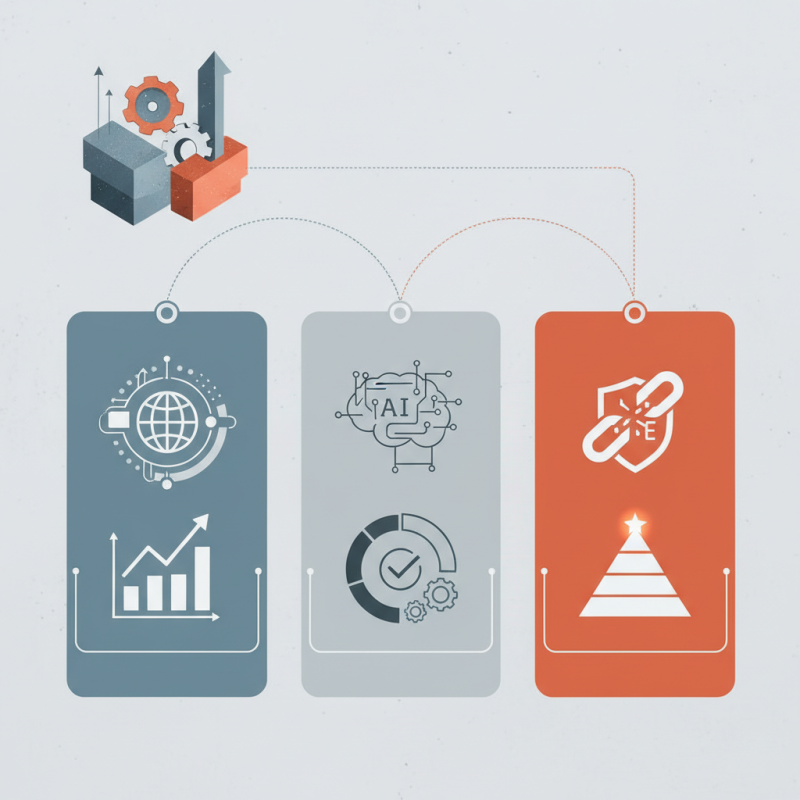
Top 10 Cement Edges Innovations at China Import and Export Fair?

Innovative Trends in Cement Production Technologies at the Fair

The China Import and Export Fair showcases cutting-edge innovations in cement production. One major trend is the use of eco-friendly materials. Many exhibitors highlighted sustainable practices. For instance, recycled materials are becoming a staple. This helps reduce waste in the industry.

Advanced technologies in cement mixing were also on display. Many new machines can operate at higher speeds. This boosts productivity significantly. However, there is room for improvement in efficiency. Some machines showed signs of wear after continuous use. This raises questions about long-term durability.

Tips: When considering new technologies, evaluate their long-term benefits. Look for innovations that minimize environmental impact. Always prioritize machines that offer consistent performance over time. A thorough assessment can lead to better decisions in your production line. As trends shift, staying informed is key.

Sustainable Cement Practices Showcased by Leading Manufacturers

The recent China Import and Export Fair highlighted innovative practices in sustainable cement production. Leading manufacturers shared insights into eco-friendly methods that reduce carbon emissions. These advancements are essential in combating climate change and promoting a greener future.

One notable approach involves the use of recycled materials in cement production. However, the effectiveness of these methods can vary. Some manufacturers reported challenges in maintaining product quality while incorporating recycled content. There is still room for improvement, as balancing sustainability and performance remains a key concern.

Additionally, energy-efficient processes were showcased. Techniques such as alternative fuels and advanced technologies promise to lower energy consumption. Yet, there are questions about the initial investment required for such innovations. Sustainable practices are crucial, but we must consider their economic implications as well.

Emerging Cement Products and Their Market Performance Statistics

The cement industry is experiencing significant innovation. During the recent China Import and Export Fair, several emerging cement products were showcased. These innovations aim to enhance sustainability and efficiency in construction. According to a recent industry report, the market for eco-friendly cement is expected to grow by 10% annually. This surge reflects a heightened demand for greener building materials.

Data indicates that the adoption of new cement formulations can reduce carbon emissions by up to 30%. These formulations often include waste materials. The performance of these products in trials has shown promising results. However, challenges remain in scaling their production. The cost of these innovations can be a hurdle. Many companies need to reassess budgets for R&D investments.

Market statistics reveal that advanced cement products have captured 20% of the market share. Despite this, consumer awareness is still low. Many buyers are unaware of the benefits. Increased marketing efforts are needed to bridge this gap. The future looks bright, but industry players must address these challenges to fully capitalize on the opportunities.

Impact of Digitalization on Cement Industry Operations and Efficiency

Digitalization is transforming the cement industry today. Advanced technologies improve operations and increase efficiency. Many companies are implementing smart solutions. Internet of Things (IoT) tools help monitor equipment in real-time. This leads to fewer breakdowns and reduced downtime. Data analytics provides insights into production processes. Companies can now optimize their workflows effectively.

Tips: Embrace new technologies gradually. Staff training is essential for successful implementation. Encourage team collaboration to identify potential improvements.

Automation in cement plants minimizes human error. Robotics can handle repetitive tasks, boosting output significantly. However, relying too much on machines can pose risks. Human oversight remains crucial in decision-making processes. Balancing technology with human input is vital for success. Digital tools should enhance, not replace, skilled labor in the industry.

Tips: Regularly evaluate your digital tools. Ensure they align with your operational goals. Seek feedback from workers on new systems.

Key Innovations in Cement Packaging and Transportation Solutions

The China Import and Export Fair has become a showcase of innovation in cement packaging and transportation. Innovative solutions are crucial for enhancing efficiency. New designs in cement bags feature lighter materials, making them easier to handle. These bags not only reduce labor costs but also minimize environmental impact, a critical concern today.

Transportation methods are also evolving. Some innovative systems incorporate smart technology to track shipments in real-time. This reduces delays and improves supply chain management. However, despite advancements, challenges remain in reaching remote areas. Delivery times can still be long, impacting market responsiveness.

Moreover, while new materials enhance sustainability, their production process can be energy-intensive. This irony reveals a need for more research. Balancing innovation with environmental responsibility is a conversation that stakeholders must continue to engage in. As the industry pushes forward, ongoing reflection on practices is vital for future progress.

Top 10 Cement Edges Innovations at China Import and Export Fair

Innovation Description Impact on Industry Sustainability Factor
Smart Packaging Utilizes QR codes and sensors to track product conditions. Improves supply chain efficiency and transparency. Reduces waste through better tracking.
Eco-Friendly Cement Cement produced using alternative materials to lower CO2 emissions. Addresses climate change concerns in construction. High sustainability with reduced carbon footprint.
Automated Mixing Solutions Advanced systems for precise ingredient mixing in cement production. Enhances product quality and consistency. Minimizes resource waste during production.
Robotic Logistics Use of robotics for automated packaging and transportation. Increases operational efficiency and speed. Promotes energy-efficient operations.
Recyclable Packaging Innovative designs using 100% recyclable materials. Reduces landfill impact of cement products. Significantly enhances sustainability metrics.
Digital Supply Chain Integration of digital tools for better inventory management. Streamlines process and reduces costs. Supports sustainable sourcing through better data.
Energy-Efficient Kilns Kilns optimized to reduce energy consumption during production. Lower production costs and reduced emissions. Highly sustainable technology implementation.
Alternative Fuel Usage Incorporating waste-derived fuels to power production processes. Lowers dependency on fossil fuels. Promotes circular economy principles.
Advanced Quality Control Implementation of AI and machine learning for quality assays. Increases reliability and strength of products. Ensures long-lasting materials with lower resource use.
Cement Foam Technology Innovative lightweight concrete mix for various applications. Reduces material weight, enhancing transportation ease. Lower energy requirements for transport and handling.

Article Source: