2025 Top 10 Electrical Cables That Will Revolutionize Your Projects
In the ever-evolving landscape of construction and technology, the role of electrical cables remains pivotal. As we approach 2025, a new wave of innovations is set to transform the way we approach our projects. Industry expert, Dr. Emily Harrington, a leading voice in electrical engineering, emphasizes this potential, stating, "The advancements in electrical cable technology will not only enhance efficiency but also increase safety and sustainability in our projects."
With this forthcoming revolution, understanding the top electrical cables that will dominate the market is essential for professionals seeking to stay ahead of the curve. These innovations promise to improve connectivity and performance in various applications, from residential installations to large-scale industrial projects. As we delve into the top 10 electrical cables that are poised to make a significant impact, it becomes clear that the future of our electrical infrastructure is not just about function, but also about integrating cutting-edge technology with environmental considerations.
The exploration of these advanced electrical cables will unveil solutions that cater to the growing demands of energy efficiency and reliability. As we highlight these revolutionary products, we aim to equip project managers, engineers, and contractors with the knowledge they need to drive their projects forward into a more innovative and sustainable future.
Innovative Materials: Exploring the Future of Electrical Cable Production
The future of electrical cable production is being shaped by innovative materials that promise to enhance performance, durability, and sustainability. Among the most exciting developments are cables made from advanced polymers and composites, which offer superior flexibility and resistance to environmental factors. These materials not only improve the longevity of electrical installations but also reduce the weight and footprint of cables, making them ideal for a variety of projects, from residential wiring to large-scale industrial applications.
Tip: When selecting electrical cables for your project, consider the environmental conditions they'll face. Cables designed with robust, weather-resistant materials can significantly lower maintenance costs and extend service life.
Moreover, the introduction of nanotechnology in cable manufacturing is set to transform the industry. This technology enhances conductivity and reduces energy losses during transmission, leading to greater efficiency. Additionally, eco-friendly insulation options are being developed to minimize environmental impact, catering to the increasing demand for sustainable building practices.
Tip: Always consult with suppliers about the latest eco-friendly options available, which can not only enhance project sustainability but also appeal to environmentally conscious clients.
Smart Cables: Integrating Technology for Enhanced Performance
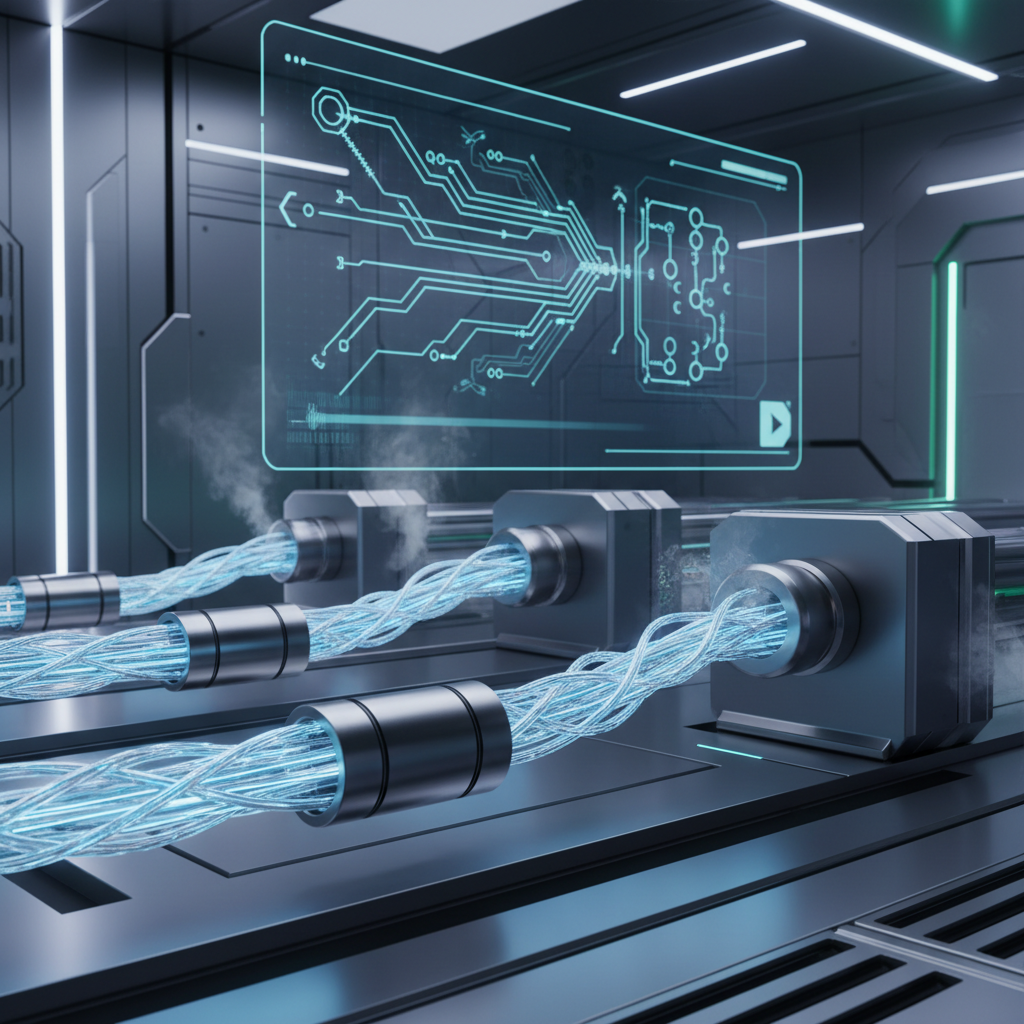
As technology continues to evolve, smart cables are at the forefront of innovation, integrating advanced features that significantly enhance performance and efficiency in various projects. These cables are designed with embedded sensors and connectivity capabilities, allowing for real-time monitoring of power consumption, temperature, and even potential faults. This data-driven approach not only ensures optimal operation but also facilitates predictive maintenance, reducing downtime and lowering costs.
Moreover, the incorporation of smart technology in electrical cables opens up opportunities for automation and intelligent systems. For instance, construction sites equipped with smart cables can allow for seamless communication among devices, improving coordination and safety on-site. Additionally, these cables can adapt to the electrical load dynamically, optimizing energy distribution and minimizing waste, which is crucial for sustainable building practices. With the rise of the Internet of Things (IoT), smart cables are poised to revolutionize not just electrical installations but the very way we approach energy management in our daily lives.
2025 Top 10 Electrical Cables That Will Revolutionize Your Projects
| Cable Type |
Technology Integration |
Main Features |
Applications |
| Smart Power Cable |
IoT Connectivity |
Real-time monitoring, self-healing |
Smart homes, industrial automation |
| Fiber Optic Cable |
High-speed data transmission |
Increased bandwidth, low latency |
Telecom, data centers |
| Smart Cable Sensors |
Integrated sensors |
Temperature, humidity sensing |
HVAC systems, environmental monitoring |
| Hybrid Cable |
Power and data integration |
Versatile applications, space-saving |
Smart buildings, energy solutions |
| Shielded LAN Cable |
Signal protection |
Minimized interference, reliable |
Networking, data transfer |
| Ultra-flexible Cable |
Enhanced flexibility |
Easier installation, durability |
Robotics, portable devices |
| Data Center Cable |
Optimized for high performance |
High durability, thermal resistance |
Cloud storage, enterprise IT |
| Smart Grid Cable |
Smart grid integration |
Enhanced energy management |
Renewable energy systems, utilities |
| Electric Vehicle Charger Cable |
Fast charging technology |
High power capacity, efficient |
Electric vehicles, charging stations |
| Low-Voltage Cable |
Energy efficiency |
Reduced energy loss, safe |
Residential, commercial lighting |
Eco-Friendly Options: Sustainable Electrical Cables for Green Projects
As the world increasingly prioritizes sustainability, the demand for
eco-friendly electrical cables is on the rise.
These innovative cables are designed not only to deliver remarkable performance but also to minimize
environmental impact. Manufactured from recyclable materials and utilizing non-toxic compounds,
sustainable electrical cables represent a significant advancement in the quest for greener
construction and renovation projects. With options like bioplastics and
low-impact insulation, these cables ensure that projects can be completed efficiently without
compromising on ecological values.
Moreover, many of these eco-friendly cables are engineered for efficiency, offering lower energy losses
and higher durability. The incorporation of advanced technologies allows them to withstand various
environmental conditions, making them suitable for both residential and commercial applications. As
industries strive toward greener practices, investing in sustainable electrical cables not only aids in
meeting regulatory requirements but also reflects a commitment to protecting the planet for future
generations.
Embracing these innovative solutions will lead to a more responsible
approach in electrical installations, fostering a healthier environment while delivering the performance
needed to power modern projects.
High-Performance Conductors: Maximizing Efficiency in Electrical Wiring
The future of electrical wiring is poised for transformation with the emergence of new
high-performance conductors designed to maximize efficiency. These innovative cables are not only crafted to deliver
superior conductivity but also to withstand environmental stresses, making them ideal for a variety of projects. As we move towards 2025, staying ahead in technology means choosing materials that offer better
heat resistance and lower energy losses.
Tips for selecting the right cable for your projects include assessing the specific environmental conditions the cable will be exposed to, such as
temperature fluctuations and moisture levels. Opt for cables with enhanced insulation and shielding to ensure optimal performance and safety. Additionally, consider the cable's flexibility in installation;
flexible conductors can greatly reduce labor time and facilitate easier modifications in existing systems.
Furthermore, prioritize cables that incorporate advanced materials like copper-bonded aluminum, which can provide a cost-effective yet efficient alternative to traditional wiring solutions. By investing in these high-performance conductors, project managers can not only improve the overall efficiency of electrical systems but also contribute to sustainable practices in construction and design. Make informed choices to revolutionize your projects and ensure long-lasting performance.
Flexible Designs: Adapting to Complex Installations with Ease
In 2025, the landscape of electrical cabling is set to transform significantly with the introduction of innovative, flexible designs tailored to streamline complex installations. According to a recent report by MarketsandMarkets, the global flexible cables market is expected to reach $21.8 billion by 2026, driven by the growing demand for advanced electrical solutions in various sectors, including renewable energy, telecommunications, and smart buildings. These flexible cables not only enhance adaptability for intricate layouts but also minimize installation time and costs, making them invaluable for both commercial and residential projects.
One of the standout features of these new electrical cables is their ability to bend and conform to a variety of environments without compromising performance. This flexibility significantly reduces the need for multiple connectors and conduits, which are often required in traditional installations. As highlighted by the International Electrotechnical Commission, enhanced flexibility leads to a 40% improvement in installation efficiency, allowing project managers to optimize workflows and allocate resources more effectively.
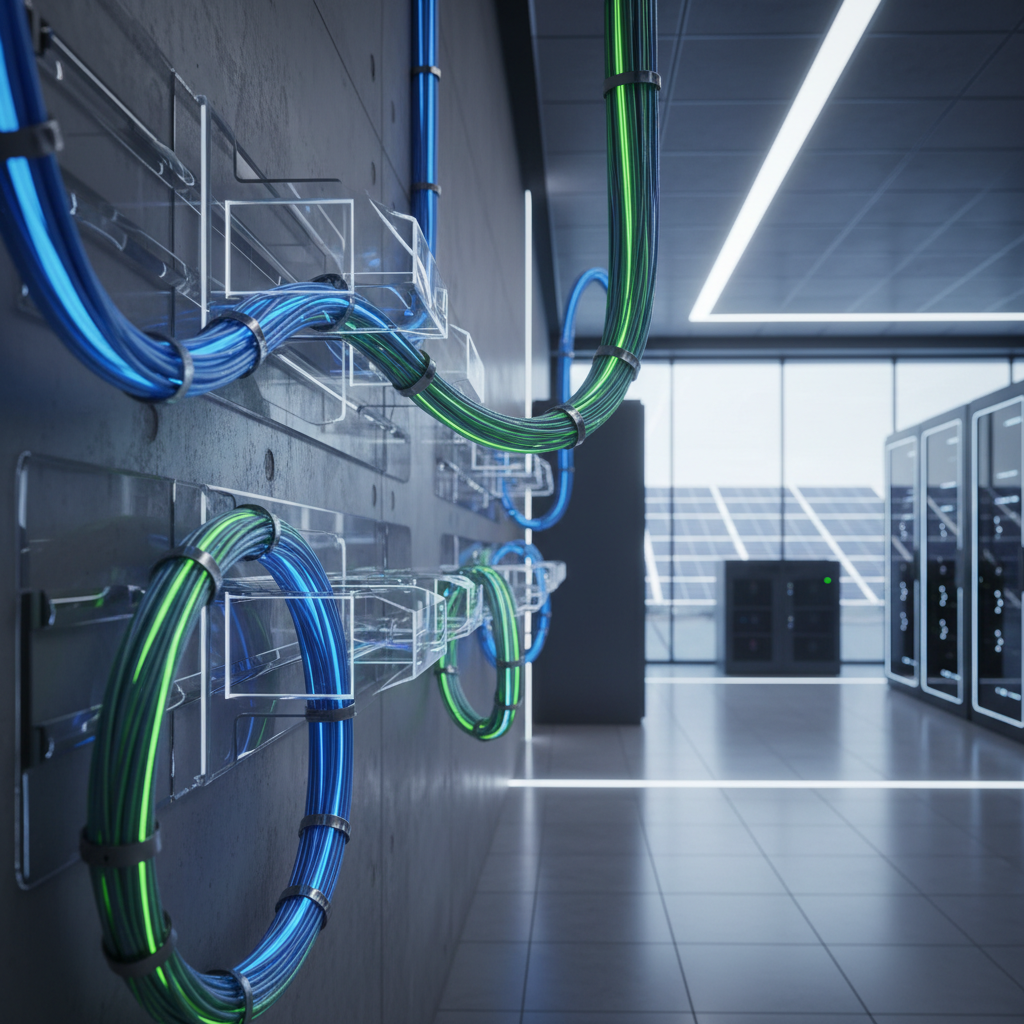
Tips for using flexible electrical cables include selecting the appropriate gauge for your project's load requirements to prevent overheating, ensuring compatibility with existing systems to maximize performance, and utilizing cable management solutions to maintain organization and safety during installation. By leveraging these innovative cabling solutions, projects can achieve greater efficiency and reliability, paving the way for a technological revolution in electrical installations.