Essential Tips for Choosing Steel Road Plates for Your Project?
Choosing the right Steel Road Plates for your project is crucial. According to industry expert Jim Holloway, “Quality Steel Road Plates ensure safety and efficiency on job sites.” This statement reflects the importance of selecting reliable materials in construction and infrastructure projects.
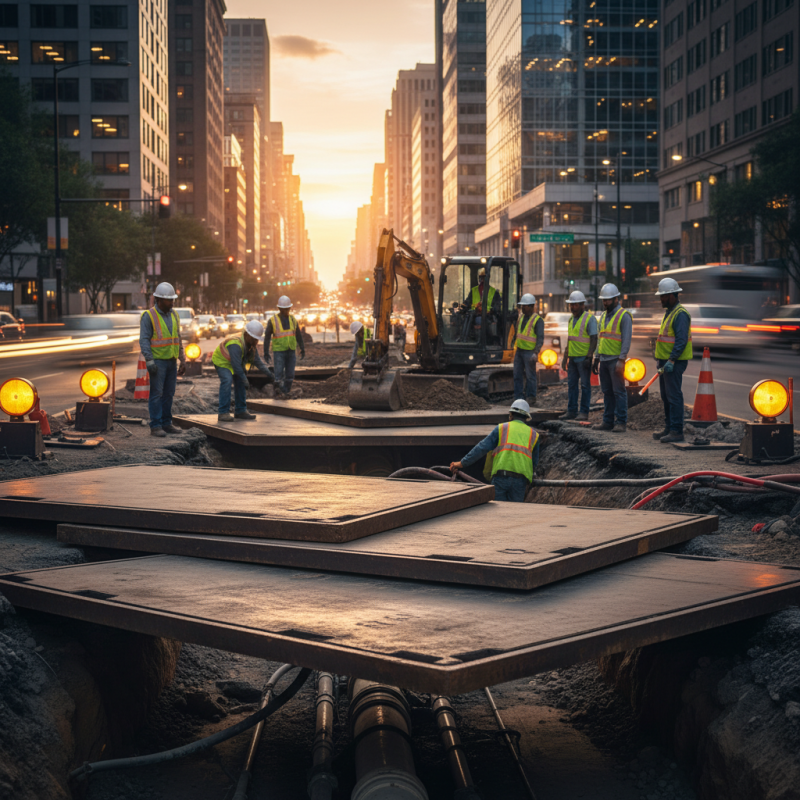
Steel Road Plates play a significant role in protecting workers and equipment. They provide a stable surface over excavations and trenches, minimizing hazards. However, not all plates meet the same standards. Missteps in selection can lead to costly mistakes and project delays. Quality and specifications matter greatly.
In today's market, various manufacturers offer Steel Road Plates. It's essential to consider factors like thickness, size, and load capacity. Engaging with trustworthy suppliers can significantly impact your project’s success. Simple oversight in these choices can lead to unforeseen consequences down the line. Investing time in research pays off.
Factors to Consider When Selecting Steel Road Plates for Projects
When selecting steel road plates for your project, there are several key factors to consider. The size of the plates is paramount. Larger plates cover more area and can better support heavy loads. However, they can be cumbersome to install. Smaller plates are easier to maneuver but may require more pieces to cover the same space.
Weight capacity is another crucial aspect. Each road plate has a maximum load it can withstand. Understanding your project’s specific needs is vital. If the load is underestimated, it can lead to damage or accidents. Always verify the load specifications to ensure safety.
Tip: Evaluate your site conditions. Are there slopes or uneven surfaces? Some plates offer better traction than others. Choosing the right texture can enhance safety and stability.
Also, consider the material thickness. Thicker plates tend to be more durable but are heavier. This can complicate transportation and installation. Finding the right balance between thickness and weight is important for project efficiency.
Essential Tips for Choosing Steel Road Plates for Your Project
This chart illustrates essential characteristics to consider when selecting steel road plates for your project. Factors such as thickness, weight, load capacity, and cost play crucial roles in your decision-making process.
Types of Steel Road Plates and Their Applications
When selecting steel road plates, understanding the different types and their applications is vital. Steel road plates come in several forms, each designed for specific uses. For temporary road access, smooth steel plates provide a stable surface. They support heavy equipment while maintaining a level pathway. These plates are integral in construction zones, allowing vehicle movement without damaging the ground beneath.
Additionally, textured steel plates offer more grip and stability. When used in wet or icy conditions, they reduce slip hazards. Construction crews often choose these for pedestrian areas or busy streets where safety is a concern. However, choosing the right type of plate can sometimes be complex. Not all projects require the same specifications.
Overlooking the project requirements might lead to inadequate support. It's essential to evaluate traffic loads and site conditions carefully. If the wrong plate is used, it could result in costly delays. Understanding these details enhances decision-making. Engaging with experts in the field can provide valuable insights. They can help you navigate the options available and select the perfect steel road plates for your project.
Understanding Load Ratings and Weight Capacities
When selecting steel road plates for your project, understanding load ratings and weight capacities is crucial. These parameters help ensure safety and stability on your worksite. Each plate is designed to support a specific load. Exceeding this limit can lead to accidents and project delays. It's essential to check the specifications before making a purchase.
Consider the weight characteristics of the vehicles that will use the plates. Heavy machinery requires plates with higher load ratings. For instance, crane operations often necessitate thicker plates. If you underestimate the weight load, you might face severe issues. That's a risk no project manager should take.
Also, note that environmental factors can affect performance. Ground conditions change with weather. Rain can soften the ground, leading to potential plate failure. Regular inspection before and during usage can help mitigate these risks. This oversight can save you from costly mistakes. Prioritize careful assessment to ensure your project progresses smoothly.
Evaluating Surface Treatments and Coatings for Durability
When choosing steel road plates, evaluating surface treatments and coatings is vital for durability. Steel plates endure harsh conditions. A resilient surface can significantly extend their lifespan.
Typically, coatings like zinc galvanization offer excellent corrosion protection. They shield against moisture, salt, and other environmental factors. However, not all coatings suit every project. Some may struggle under extreme conditions. In such cases, considering additional treatments like polymer coatings can be beneficial. These options provide a smooth finish that resists wear and tear.
The application process also influences effectiveness. A poorly applied coating may lead to premature failure. Surface preparation is crucial. Contaminants must be eliminated for optimal adhesion. Testing the chosen treatment in real-world scenarios can reveal weaknesses. This step helps ensure that your investment will withstand the demands of your project. Evaluating these factors thoughtfully leads to better choices.
Cost Comparisons and Budget Considerations for Steel Road Plates
When considering steel road plates for your project, budget plays a crucial role. Steel road plates serve as temporary surfaces for construction and maintenance. A recent industry report indicates that the cost per plate can vary significantly, ranging from $100 to $500, depending on thickness and size. Understanding these figures aids in planning your budget effectively.
Cost considerations also include transportation and installation. Often overlooked, these expenses can add another 20-30% to the overall price. If your project requires multiple plates, bulk purchasing might offer savings. However, keep in mind that quality should never be compromised for cost. Cheaper options could lead to higher replacement rates and eventual safety issues, resulting in additional costs.
Additionally, project duration affects the rental versus purchase decision. For short-term needs, renting might seem economical; however, long-term usage often favors buying plates outright. Carefully evaluate your project's timeline and frequency of use. Allocating budget wisely ensures safety and compliance with industry standards while navigating the complexities of steel road plate implementation.