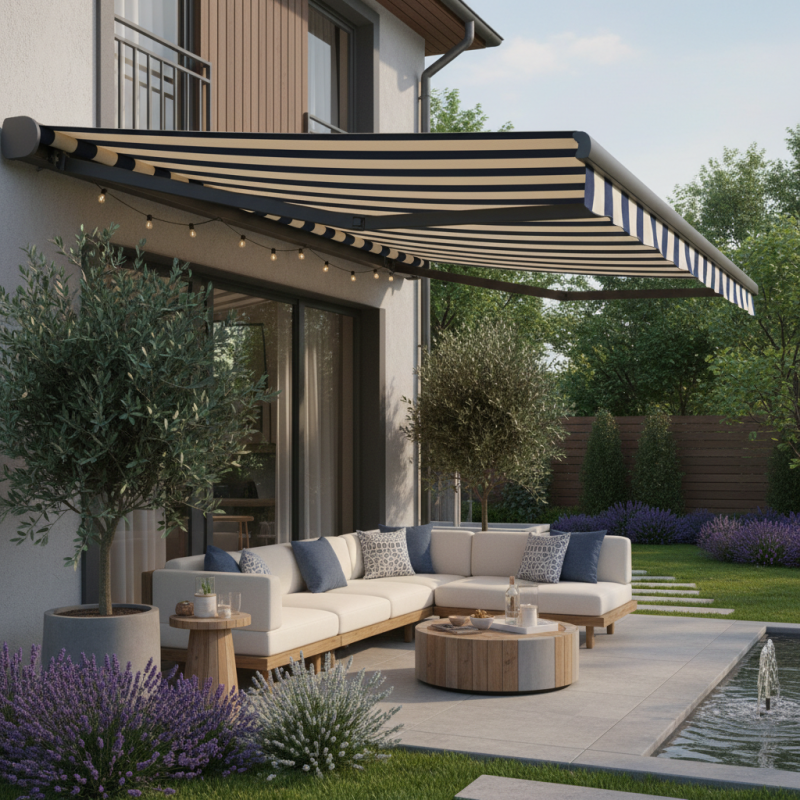
Top Tips for Building an Awning That Enhances Your Space?
Building an awning can transform your outdoor space into a cozy retreat. It offers shade, protection, and style, enhancing the ambiance of your home. The right awning adds value and defines your outdoor areas.
When considering building an awning, think about your needs and environment. Choose durable materials that withstand various weather conditions. A well-planned design can significantly improve the aesthetic appeal of your patio or garden. However, be mindful of over-complicating the structure. Simplicity often leads to elegance.
As you explore different styles, reflect on the practical aspects. Ensure the awning complements your home’s architecture. Think about colors and patterns that align with your personal taste. Yet, remember that not every design will fit perfectly. Staying open to adjustments is crucial for achieving the best outcome.
Choosing the Right Location for Your Awning Installation
Choosing the right location for your awning installation can significantly affect its efficiency and aesthetic appeal. Think about how the sun moves throughout the day. An awning positioned correctly can provide shade during peak hours. This helps keep your space cool and comfortable. It can also protect furniture from sun damage.
Consider various structures around your home. Nearby trees or buildings can create shadows. This may affect how much sun your awning receives. A space with constant sunlight is ideal for many homeowners. However, sometimes the best choice may be a partially shaded area. Reflect on how much shade you truly need.
Neighborhood aesthetics matter too. The location of your awning should blend well with the surrounding environment. Bold colors might clash with muted exteriors. Take time to visualize the finished look. Finally, remember local regulations. Sometimes planning permission is necessary. Each home is unique, making location a personal decision.
Selecting Materials for Durability and Aesthetic Appeal
When selecting materials for an awning, both durability and aesthetic appeal are key. A sturdy awning must withstand various weather conditions. Consider materials like high-quality aluminum or treated wood. These options provide strength against wind and rain. However, wood requires regular maintenance to prevent rot and decay. This could become a burden.
For aesthetic appeal, fabric is an option that offers versatility and charm. Canvas or acrylic fabrics can add color and texture to your space. They can create a cozy atmosphere. However, these materials may fade over time. Regular cleaning and possible replacement are essential. Balance functionality and beauty for the best outcome.
Think about how these materials fit your style and environment. While metal may look sleek and modern, it could clash with a rustic home. Choose materials that align with your overall design vision. You want your awning to enhance your space, not clash with it. Sometimes, trial and error lead to the most satisfying solutions.
Designing an Awning that Complements Your Architecture
Designing an awning that complements your architecture can significantly enhance the overall appeal of your space. Research indicates that well-designed awnings can increase property values by as much as 20%. Integrating an awning with your building's style fosters a cohesive look. For instance, pairing a modern awning with contemporary architecture creates a seamless view. However, there is a risk of mismatching styles, which can diminish visual harmony.
Material choice plays a vital role in the design. Fabric awnings provide versatility, while metal can offer durability. According to industry reports, fabrics with UV protection last longer and provide better sun shielding. Yet, homeowners must carefully assess their local weather conditions. An awning may not survive extreme weather, leading to costly replacements.
Color selection should also align with your facade. Bold colors can make a statement but might clash with muted architectural tones. Neutral colors often blend well, yet they can fade over time. Choosing high-quality materials reduces fading but may require a higher initial investment. It’s essential to weigh the aesthetic benefits against potential maintenance needs.
Incorporating Functionality and Versatility in Awning Features
When considering the functionality and versatility of an awning, it's essential to think beyond aesthetics. A well-designed awning should provide shelter from the sun and rain while enhancing the overall experience of your outdoor space. This balance between beauty and utility is crucial. Look for materials that not only blend well with your existing décor but also offer durability. For instance, fabrics that repel water can keep your space dry during unexpected rain showers.
Another important aspect is adjustable features. A retractable awning gives you control over how much sunlight you want to let in. This flexibility allows for a personalized ambiance. However, be mindful of the installation process. A poorly installed awning can hinder functionality. It's vital to follow proper guidelines and consider professional help if needed. In doing so, you ensure that your awning serves its purpose effectively.
Innovative features like built-in lighting or solar panels offer added versatility. They can create an inviting atmosphere for evening gatherings or contribute to energy efficiency. However, not every innovation suits every space. It's essential to assess your specific needs before making a decision. A thoughtful approach can enhance both the functionality and aesthetics of your awning, making it a valuable addition to your home.
Maintenance Tips to Keep Your Awning in Prime Condition
Maintaining your awning is crucial for its longevity and performance. Regular inspections are key. Look for signs of wear, such as frayed edges or faded colors. These small issues can evolve into larger problems if ignored. A clean awning not only looks better but also lasts longer.
Using a soft brush and mild soap is effective for cleaning. Avoid harsh chemicals that may damage the material. Rinse thoroughly with water to remove soap residue. Depending on the weather conditions, cleaning may be needed every few months.
Storing the awning properly during harsh weather can prevent damage. Make sure to retract it during heavy rain or snow. This practice protects its fabric and frame. Regular care ensures your awning enhances your space for years. Overlooking these details can lead to costly repairs or replacements.