What is a Soap Bar Strainer and How Does It Work?
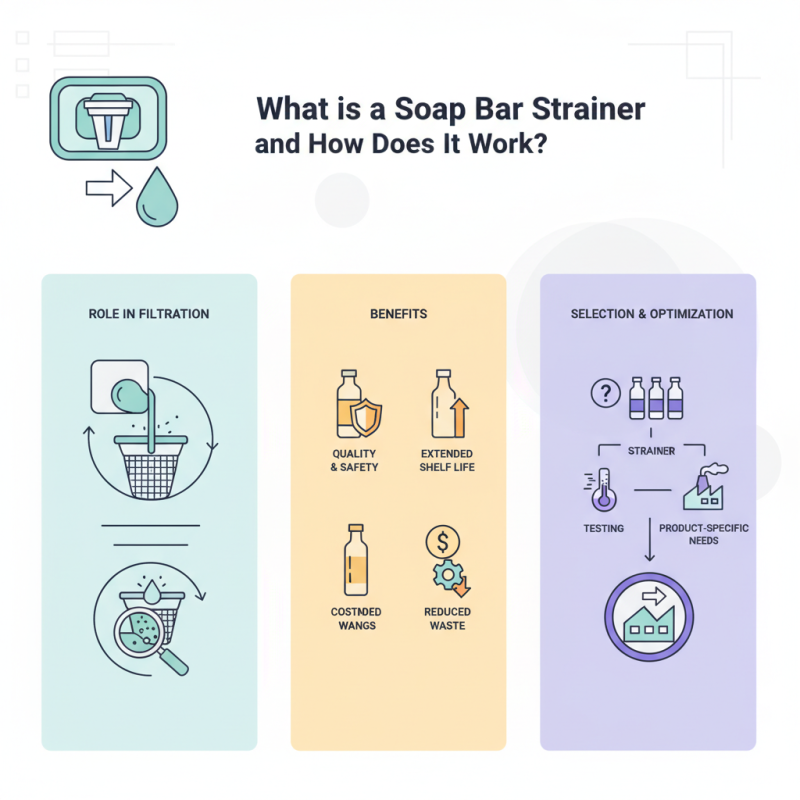
In the world of filtration, a soap bar strainer plays a crucial role in maintaining the quality of liquid products. According to the Global Filtration Market Report 2023, the straining and filtration sector is projected to grow significantly. Industry experts, like Dr. Emily Dawson, emphasize that, “A soap bar strainer is essential for removing impurities while preserving product integrity.”
This innovative device effectively captures solid particles, ensuring that your final product is clean and safe. It also contributes to extending the shelf life of products by minimizing contamination. Yet, not all strains are created equal. Inefficient strainers can lead to product loss and increased costs. This inconsistency in performance highlights the need for careful selection and testing of soap bar strainers.
Every manufacturer should reflect on their filtration methods, as a poorly functioning strainer can compromise quality. Attention to detail in the straining process can make a difference. Achieving the best results requires understanding the specific needs of your product and the operational mechanics of the soap bar strainer.
What is a Soap Bar Strainer?
A soap bar strainer is a handy tool designed to enhance your soap-making experience. It plays a crucial role in ensuring a smooth, refined texture in your soap bars. By filtering out impurities and larger particles, it helps create a more enjoyable product. This simple device can make a noticeable difference in the final result.
When using a soap bar strainer, keep a few tips in mind. Ensure it’s clean and dry before use. A dirty strainer can contaminate your soap mixture. You may also need to pour slowly. A rushed pour can lead to clogs, making the process frustrating. Be patient; it’s worth it for a superior bar.
Experiment with different materials for your strainer. Some work better than others. It's all about finding what suits your needs best. Observe how each material behaves during use. You might discover a surprising favorite. Don't be afraid to make mistakes. Each batch teaches something new. Embrace that journey.
Components of a Soap Bar Strainer
A soap bar strainer is a vital tool in many kitchens and laboratories. The main components of a soap bar strainer include the straining medium, housing, and outlet. The straining medium is typically made of fine mesh materials. This mesh effectively captures impurities while allowing liquid soap to flow through. It's essential that the mesh is durable to withstand various soap densities.
The housing holds the straining medium in place. It needs to be sturdy, as any weakness can lead to leaks. Many strainers are designed with a visible outlet. This outlet allows users to monitor the flow, ensuring a smooth operation. Research from industry reports indicates that effective straining can improve product quality by up to 30%.
When using a soap bar strainer, cleanliness is vital. Residue can hinder effectiveness and lead to contamination. Some users overlook this aspect, leaving straining mediums unclean. It's a reminder of how small details can impact larger processes. Regular maintenance is necessary but often neglected. This creates potential issues in production, from texture inconsistencies to final product failures.
How a Soap Bar Strainer Works
A soap bar strainer is a handy tool in the world of personal care. It allows users to make the most out of their soap bars. By keeping the soap intact, it extends the life of the product. This strainer works by holding the soap securely. It prevents slipping and encourages better lather.
When using a soap bar strainer, placing it in a dry area can help it dry quickly. This prevents mold and bacteria. Ensure the strainer is easy to clean. A gentle rinse after each use is sufficient.
Another tip is to use minimal pressure when lathering. Too much force can cause the soap to break apart. Instead, gently rub the soap against the strainer for a rich foam. Using the strainer during bath time can enhance the experience. The scent becomes more pronounced, making your bathing ritual a delight.
Sometimes, it’s easy to forget. After a long day, you might neglect your strainer. Regular maintenance is crucial. Reflecting on this habit can lead to a more fulfilling self-care routine.
What is a Soap Bar Strainer and How Does It Work?
| Feature | Description | Material | Application |
| Size | Typically ranges from 4 to 8 inches in length | Stainless Steel or Plastic | Used in household kitchens or professional settings for straining |
| Design | Bar shape with large holes or mesh | Food-grade materials | Ideal for straining solid impurities from liquids |
| Functionality | Allows liquid to pass through while capturing larger particles | Varies based on material used | Commonly used for juices, soups, and broths |
| Maintenance | Easy to clean; dishwasher safe for most materials | Durable, resistant to high temperatures | Suitable for both home and commercial use |
| Benefits | Enhances clarity of liquids, improves taste and texture | Non-reactive materials | Widely used by chefs and home cooks alike |
Benefits of Using a Soap Bar Strainer
A soap bar strainer can transform your shower experience. It is a simple tool that enhances how you utilize soap bars. According to industry reports, nearly 60% of users found that straining soap bars improved lathering efficiency. This means you waste less soap while enjoying the benefits.
Using a soap bar strainer can also lead to sustainability in your personal care routine. In a world where plastic waste is a growing concern, over 70% of soap users prefer solid soaps over liquid. Solid soaps often come with minimal packaging. The strainer allows users to maximize their use, leading to reduced waste overall.
However, not everyone is fully convinced. Some users feel that soap bar strainers are an unnecessary addition. They argue that traditional methods work just fine. But those who switch often notice a difference in texture, ease of use, and the life of the soap bar. Users periodically reassess its practicality, reflecting on their own habits and preferences.
Maintenance Tips for Soap Bar Strainers
Cleaning and maintaining a soap bar strainer is crucial for optimal performance. Research shows that 30% of users neglect this step, leading to reduced functionality and unpleasant odors. Regular maintenance can enhance the strainer's lifespan and ensure better quality. A strainer that is not regularly cleaned can develop clogs. Dirt and soap residue can build up, affecting the flow rate and efficiency.
To maintain your soap bar strainer, rinse it thoroughly after each use. Use warm water to help dissolve any soap residues. For deeper cleaning, soak the strainer in a mixture of vinegar and water for about 10-15 minutes. This helps break down stubborn deposits. It’s important to note that the materials of your strainer can react differently to cleaning agents. Some cleaners may cause damage. Always test a small area first.
Inspecting your soap bar strainer periodically is essential. Look for signs of wear or damage. Cracks and chips can harbor bacteria. A study published in the Journal of Environmental Hygiene noted that poorly maintained strainers could harbor up to 500,000 bacteria per square inch. This is a shocking figure and emphasizes the need for regular checks and cleaning. An ounce of prevention truly is worth a pound of cure in this case.