What is a Shale Shaker Screen and How Does it Work?
In the oil and gas industry, a crucial piece of equipment is the shale shaker screen. This vital component separates solids from liquids during drilling operations. According to Dr. Emily Cartwright, a leading expert in the field, "The efficiency of a shale shaker screen directly impacts drilling operations." Her perspective highlights the screen's importance.
shale shaker screens come in various designs and sizes. They must withstand harsh conditions while maintaining optimal performance. Each screen plays a role in achieving cleaner drilling fluids and enhancing recovery rates. The choice of screen can significantly affect operational efficiency.
However, challenges exist. Manufacturers may create screens that don't meet specific requirements. Operators sometimes overlook the need for regular maintenance. These issues can lead to decreased efficiency and increased costs. Understanding the intricacies of shale shaker screens is essential for improving overall productivity in drilling projects.
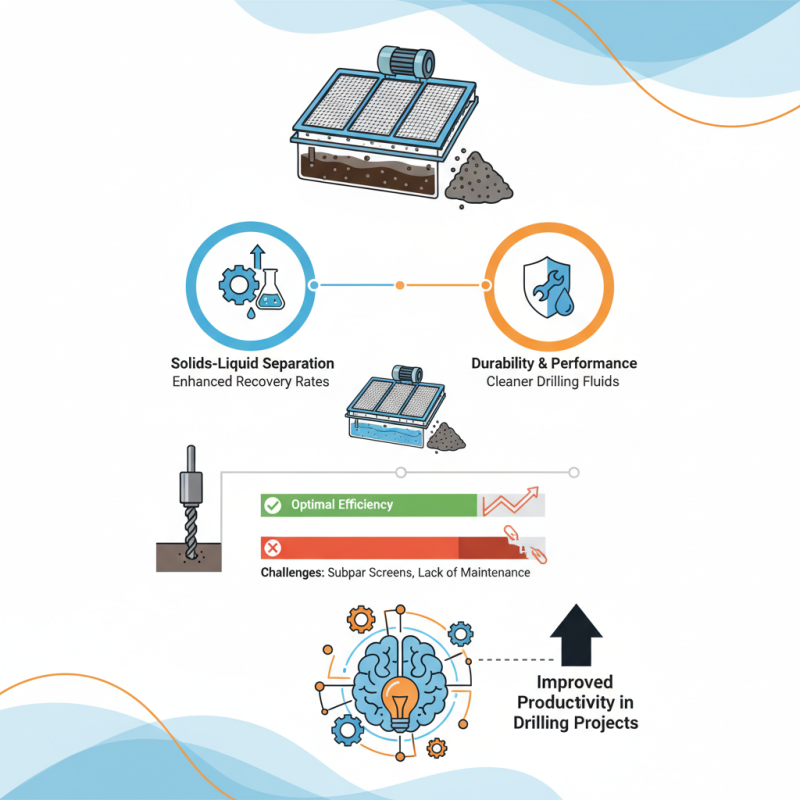
What is a Shale Shaker Screen?
A shale shaker screen is an integral part of the drilling process in the oil and gas industry. It serves to separate drilling fluid from formations and solid particles. This process is vital for maintaining drilling efficiency. The screen's design includes fine mesh materials that can filter out debris while allowing fluids to pass through. A typical screen has an opening size ranging from 40 to 200 microns, depending on the application.
In 2020, data indicated that over 75% of the global drilling market utilized shale shaker screens. This high percentage emphasizes the importance of efficient mud management. Inadequate screening can lead to costly operational delays and increase maintenance costs. Drillers need to monitor the screen performance closely. Inefficiencies could lead to losses exceeding millions in downtime.
Screen lifespan often averages between 60 to 90 days, but wear and tear can occur earlier. Factors like drilling conditions, fluid type, and screen quality play a significant role. These variables can create unpredictabilities that must be addressed. Operators sometimes overlook the impact of not replacing worn screens promptly. Regular assessments are crucial but can often be neglected in fast-paced environments. Proper attention can prevent severe operational interruptions.
Shale Shaker Screen Performance Analysis
The Role of Shale Shaker Screens in Drilling Operations
Shale shaker screens play a crucial role in drilling operations. They separate drilling fluid from the cuttings extracted from the well. This process is vital for maintaining drilling efficiency. By removing solids, these screens help ensure a smoother operation. According to a recent industry report, around 80% of drillers report improved performance by using high-quality shale shaker screens.
The effectiveness of these screens directly influences the drilling mud's properties. Efficient screens can reduce the viscosity of mud, leading to better hole cleaning. A study found that optimized separation can enhance the overall drilling rate by up to 25%. However, not all screens perform equally. Factors such as screen mesh size and material significantly affect efficiency.
Challenges exist in selecting the right shale shaker screens. Some screens may fail prematurely, leading to costly downtime. Inadequate filtration can result in mud loss and reduced formation stability. Addressing these issues requires ongoing evaluation and adjustments. As the industry evolves, adapting to new technologies will be essential in maximizing the role of shale shaker screens. The data is clear: better screens lead to better performance, yet many still face hurdles in implementation.
How Shale Shaker Screens Function: A Detailed Overview
Shale shaker screens play a vital role in the oil and gas industry. They separate solids from drilling fluids in the shale shaker system. This process is crucial for maintaining the efficiency of drilling operations. Screens come in various mesh sizes, tailored for different types of drilling applications.
Functionally, the shale shaker operates on a unique vibrational principle. The shaker vibrates at high frequencies, using gravity to aid separation. As a result, large solids are discarded while valuable drilling fluids are recirculated. Industry reports indicate that efficient screen usage can improve separation efficiency by up to 95%. This not only reduces waste but can also enhance the overall lifespan of drilling fluids.
The design of shale shaker screens is often insufficiently optimized. Some screens might cause excessive wear if not chosen correctly. Operators must consider factors like fluid type and solid characteristics. Poor screen selection can lead to suboptimal fluid recovery and increased costs. The balance between performance and durability remains a challenge in the field. Actual case studies often reveal gaps in practical applications versus theoretical efficiency, emphasizing the need for continuous improvement.
Types of Shale Shaker Screens and Their Applications
Shale shaker screens are crucial components in the drilling industry. They come in various types, each designed for specific tasks. For instance, composite screens are lightweight and durable. They are often used for high-performance applications. Metal mesh screens, on the other hand, provide excellent durability. These screens are favored when dealing with abrasive materials.
Application varies significantly. Fine screens are used for smaller cuttings, while coarse screens handle larger debris. The choice of screen affects efficiency. An incorrect screen might not filter effectively. This leads to costly downtime. Some operators still overlook the importance of regular maintenance. Cleaning or replacing screens can feel tedious, but it’s essential for optimal performance.
Different drilling environments require tailored solutions. Screens must withstand various pressures and temperatures. Some applications demand high flow rates, while others operate under low flow conditions. Inadequate screen selection can result in reduced drilling efficiency. It’s a reminder that understanding the application is key. Choosing the right type is not just about preference; it impacts the whole operation.
Maintenance and Replacement of Shale Shaker Screens
Shale shaker screens are essential in the drilling industry. They separate solids from drilling fluids, which helps maintain efficiency. However, regular maintenance is crucial to ensure optimal performance. It is estimated that up to 30% of drilling fluid costs can be attributed to screen failure. A small oversight can lead to significant costs.
Proper care can prolong a screen's life. Operators should clean screens daily to prevent clogging. Experts suggest replacing screens every 200 to 400 hours, depending on the mud type used. Wear and tear can happen quickly, especially in harsh environments. Regular inspections help catch issues early.
Monitoring screen performance metrics is vital. For instance, an increase in fluid loss often indicates screen problems. Promotions of preventive maintenance can save money long term. Unchecked screens can reduce drilling efficiency by over 15%, impacting both time and resources. Careful attention to these details can lead to better operational outcomes.