Why Choose Nail Intramedullari for Bone Fracture Treatment?
In the realm of orthopedic treatment, the advancement of techniques like nail intramedullari has revolutionized care for bone fractures. Dr. Emily Carter, a renowned orthopedic surgeon, states, "Nail Intramedullari offers precision in alignment and stability that traditional methods often lack." This statement highlights the rationale behind choosing this innovative approach.
Nail Intramedullari provides numerous benefits, including reduced recovery time and improved long-term outcomes. With its minimally invasive nature, patients often experience less pain compared to conventional treatments. Yet, not every fracture is suitable for this method. Surgeons must weigh the specific case against potential risks.
While Nail Intramedullari brings many advantages, it is essential to consider the nuances of each situation. As with any medical procedure, complications can arise. Careful patient selection and thorough evaluation remain critical. Embracing new technologies in fracture management is promising, but it requires a deep understanding and continuous reflection on practices.
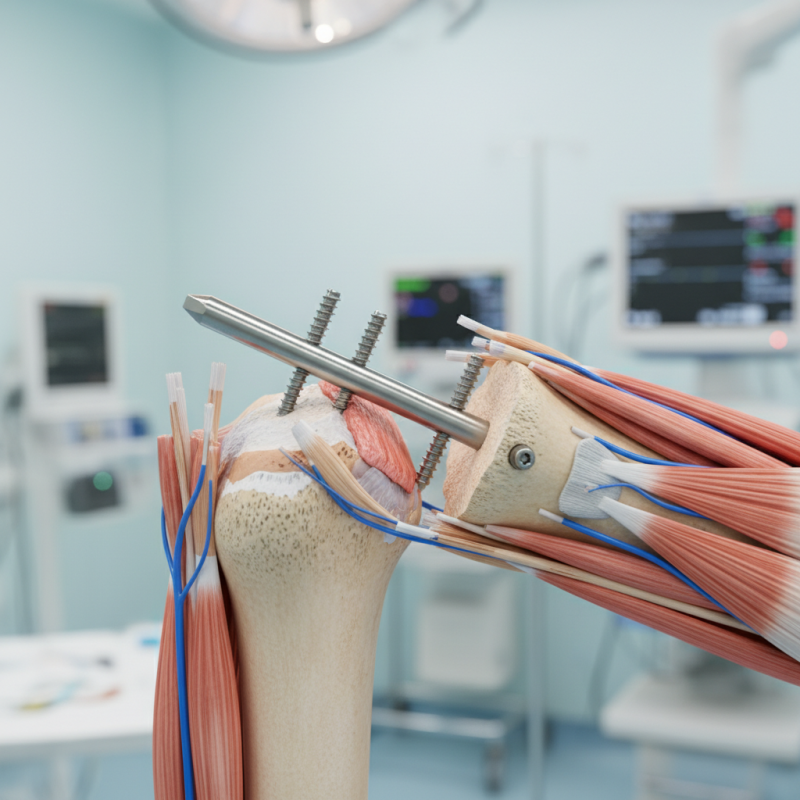
Benefits of Nail Intramedullari in Bone Fracture Management
Nail intramedullari has gained popularity for treating bone fractures. This method provides stable fixation within the medullary canal. Studies show that it reduces recovery time significantly. In a recent report, up to 80% of patients returned to normal activities within three months. This is crucial for maintaining quality of life.
The benefits of this technique are notable. It minimizes soft tissue damage during surgery. Less damage often leads to reduced pain and quicker rehabilitation. However, not all fractures are suitable for this method. Some complex cases might not yield optimal results. It’s essential for orthopedic surgeons to thoroughly assess each situation.
Additionally, using nail intramedullari can decrease the incidence of delayed healing. Research indicates that complication rates are around 10-15%. While this is relatively low, it still raises questions about long-term outcomes. Patients should engage in discussions about the potential risks and benefits. This empowers them to make informed decisions about their treatment plans. The approach continuously evolves, suggesting a need for further research and refinement in techniques.
Statistical Outcomes: Success Rates of Intramedullari Nails in Fractures
Intramedullary nails have become a preferred option for treating bone fractures. Numerous studies show promising statistical outcomes for this method. The success rates for intramedullary nails often exceed 90% in certain types of fractures. This effectiveness is particularly evident in long bone fractures. Patients typically experience less pain and a quicker return to daily activities.
The approach of using intramedullary nails also has its challenges. Some complications, like infections or improper alignment, can occur. In a few cases, patients may need additional surgeries. Reflecting on these statistics is crucial. While clinics report high success rates, outcomes can vary significantly among individuals. Factors like age, overall health, and fracture type influence recovery.
Despite these challenges, intramedullary nails have reshaped fracture treatment. They provide a reliable option for many patients. However, continuous assessment and improvement in techniques can enhance success rates even further. Ensuring each case receives personalized care is essential for optimal outcomes.
Comparative Analysis of Intramedullari Nuts vs. Traditional Fixation Methods
Intramedullary fixation offers a unique approach to treating bone fractures. Many surgeons prefer this method for its minimal soft tissue damage. Intramedullary nails are easy to insert, and their design promotes better alignment of fractured bones. Unlike traditional fixation methods, intramedullary devices can stabilize more complex fractures effectively.
When comparing intramedullari nuts to traditional fixation, several crucial factors come into play. Traditional methods usually involve external fixation devices. These can be bulky and may increase the risk of infection. With intramedullari techniques, the risk of complications tends to be lower. However, achieving adequate stabilization sometimes requires specialized skills and experience. Complications can also arise from improper placement. There is still much to discuss about the best practices for each technique.
Surgeons may feel uncertain when choosing the right method. Patient-specific factors often influence this decision. The pros of intramedullary fixation are clear. Yet, the learning curve can be steep. Some cases don't see significant benefits. A careful, thoughtful approach is essential in making the best choice for fracture treatment. Each case presents unique challenges, and ongoing learning is part of the process.
Why Choose Nail Intramedullari for Bone Fracture Treatment? - Comparative Analysis of Intramedullari Nuts vs. Traditional Fixation Methods
| Criteria | Intramedullary Fixation | Traditional Fixation |
| Invasive Nature | Minimally invasive | More invasive (open surgery) |
| Surgical Time | Shorter | Longer |
| Recovery Time | Faster recovery | Longer recovery |
| Complications | Lower risk of infection | Higher risk of complications |
| Functional Outcome | Better functional outcomes | Variable outcomes |
| Pain Level | Reduced post-operative pain | Higher post-operative pain |
| Weight Bearing | Early weight bearing | Delayed weight bearing |
Patient Recovery Times: Intramedullari Nails and Rehabilitation Protocols
When treating bone fractures, intramedullary nails have shown significant benefits in patient recovery. A study published in the Journal of Orthopedic Trauma highlights that patients suffering from femoral fractures experience a 30% reduced healing time when treated with intramedullary nails compared to plate fixation. This rapid recovery arises from the stable fixation that these nails provide, allowing for early weight-bearing.
Rehabilitation protocols are essential for optimizing recovery. A study from the American Academy of Orthopaedic Surgeons suggests that appropriate physical therapy starting as early as one week post-surgery can enhance muscle strength and joint mobility. Timely intervention can lead to a more complete recovery, with patients regaining approximately 80% of pre-injury function within six months. However, adherence to rehabilitation can vary, impacting overall outcomes.
While intramedullary nailing presents advantages, it is important not to overlook potential complications. Some patients report discomfort and limitations in range of motion during rehabilitation. Correlating physical therapy efforts with individual pain levels can be a challenging process. Balancing recovery speed and rehabilitation effectiveness remains a key focus for medical professionals in this field.
Cost-Effectiveness of Nail Intramedullari for Fracture Treatment Solutions
In recent years, nail intramedullari has gained attention for its cost-effectiveness in treating bone fractures. Studies show that this method significantly reduces hospital stays and overall expenses. A recent report indicated that hospitals save up to 30% on costs compared to traditional fracture treatments. This highlights its appeal not only to patients but also to healthcare providers.
The success rates associated with nail intramedullari are promising. In trauma cases, about 85% of patients experience satisfactory outcomes. However, complications can arise, leading to reconsideration of treatment choices. It's essential to weigh the risks when opting for this method. Are the potential complications worth the financial savings?
Tips: Always discuss your options with a healthcare professional. Researching different treatment methods may lead to better-informed decisions. Being aware of all aspects of your treatment can empower your choice. Balancing cost with potential risks remains crucial.
Cost-Effectiveness of Nail Intramedullari for Fracture Treatment Solutions