What is Ltcc Technology and How Does it Benefit Your Business?
In an era where technology drives business innovation, understanding Ltcc Technology is crucial. This advanced manufacturing process enables the fabrication of complex electronic components. It offers numerous advantages, from enhanced performance to reduced size and weight. Businesses utilizing Ltcc Technology can develop superior products that stand out in a competitive market.
The efficiency of Ltcc Technology stems from its unique materials and design capabilities. This technology allows for higher integration density, which is essential for modern electronic devices. However, companies must consider the initial costs and technical challenges associated with adopting this technology. A thorough analysis is necessary to determine if the benefits outweigh potential risks.
Embracing Ltcc Technology can lead to remarkable improvements in product lifecycle and reliability. It provides opportunities for innovation, allowing firms to create smaller, more efficient devices. Still, businesses must approach implementation thoughtfully, ensuring they have the expertise to leverage its full potential.
What is LTCC Technology?
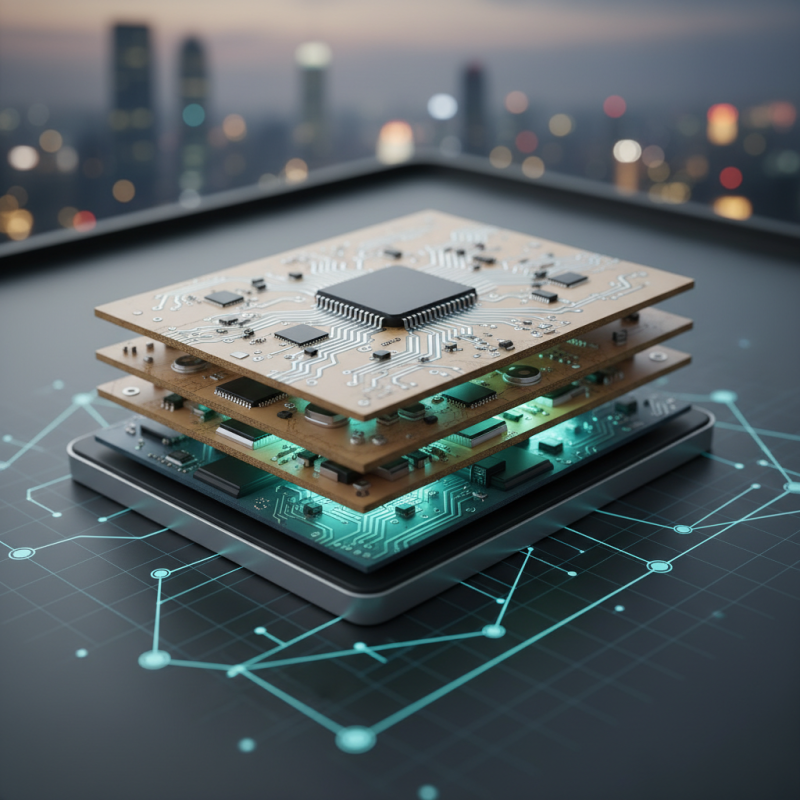
LTCC (Low-Temperature Co-fired Ceramic) technology is a game changer in electronics manufacturing. It allows for the integration of multiple functions into a single package. This integration leads to smaller, lighter components, which are essential in modern devices like smartphones and medical equipment. According to a recent report by **MarketsandMarkets**, the LTCC market is projected to grow to approximately $3.7 billion by 2025. This surge in demand is driven by the rising need for efficient components in consumer electronics.
The manufacturing process for LTCC involves co-firing ceramic layers with metallic conductors. This results in highly reliable and durable products. One study highlighted that LTCC technology exhibits a lower thermal expansion coefficient compared to traditional materials. Such properties make it suitable for harsh environments, enhancing the longevity of devices. However, the fabrication process can be complex and costly. Therefore, careful consideration is necessary before adopting this technology.
Tip: When considering LTCC for your business, assess the specific requirements of your product. Evaluate how this technology could streamline your manufacturing process. Conducting a cost-benefit analysis can reveal potential savings and performance improvements. Ultimately, LTCC technology can elevate your products but requires meticulous planning.
Key Features and Characteristics of LTCC
LTCC (Low-Temperature Co-fired Ceramics) technology offers significant benefits for businesses, particularly in electronics and telecommunications. This technology allows for the integration of passive and active components into a single substrate. LTCC materials can withstand high frequencies and temperatures, making them ideal for RF applications. According to a recent industry report, the LTCC market is projected to grow at a CAGR of 8.5% from 2022 to 2028.
With its unique properties, LTCC technology offers several key features. Its thin profile, flexibility, and ability to support complex designs enable miniaturization. LTCC can also provide excellent dielectric properties, which enhance signal integrity. Moreover, the co-firing process ensures robustness and reliability in various environmental conditions. Companies adopting this technology can greatly improve performance and reduce product sizes, benefiting overall efficiency.
Tips: When considering LTCC, evaluate the design needs early. Collaborating with experts can help optimize the integration process. Look for case studies showcasing LTCC applications to understand its potential impact on your projects. Keeping an eye on advancements in LTCC technology is also crucial, as it continues to evolve rapidly.
Impact of LTCC Technology on Business Efficiency
Applications of LTCC Technology in Various Industries
LTCC (Low-Temperature Co-fired Ceramic) technology has become a game-changer across various industries. Its applications span from telecommunications to medical devices.
In telecommunications, LTCC allows for high-frequency circuit design. According to a recent market report, the global market for LTCC materials is expected to reach $1.5 billion by 2026, highlighting a growing demand for reliable communication systems.
In the automotive sector, LTCC technology plays a crucial role in sensor manufacturing. These sensors are vital for vehicle safety and efficiency. Reports indicate a need for lightweight and compact sensor solutions. LTCC meets these demands while ensuring durability. However, businesses must consider the cost implications. Evaluating long-term benefits versus initial investments is essential.
Tips: When choosing LTCC for your projects, assess your specific requirements. Ensure that you have a clear understanding of your operational needs. Seek advice from industry professionals who can provide insights tailored to your situation. Always evaluate different materials and technologies to find the best fit for your applications.
Advantages of LTCC Technology for Business Operations
LTCC (Low-Temperature Co-fired Ceramics) technology offers several advantages for business operations. One significant benefit is its ability to create compact electronic components. This leads to reduced size and weight of devices, which can enhance user experience. LTCC materials are also highly durable, providing long-term reliability. They perform well under varying temperatures and environmental conditions.
Another advantage relates to cost efficiency. The manufacturing process allows for mass production without sacrificing quality. In industries where precision is crucial, LTCC can deliver exceptional performance. It minimizes the need for multiple components, simplifying assembly and reducing production costs. As businesses pivot towards sustainability, LTCC materials are also more environmentally friendly compared to traditional methods.
However, implementing LTCC can pose challenges. Initial setup costs may be high, and not all companies are familiar with the technology. Training staff and adapting processes can require time and resources. Many businesses struggle with these transitions, reflecting on how to best integrate new technologies. Understanding potential hurdles is crucial for a successful shift towards LTCC utilization.
What is Ltcc Technology and How Does it Benefit Your Business?
| Dimension | Description | Benefits |
| Cost Efficiency | LTCC technology allows for lower manufacturing costs due to reduced material waste. | Reduces operational costs, helping businesses to increase profitability. |
| High Precision | Produces highly accurate components with tight tolerances. | Improves product reliability and performance, reducing returns and warranty claims. |
| Miniaturization | Enables the design of smaller and more compact electronic devices. | Facilitates innovation in product design, attracting more customers. |
| Thermal Management | Optimizes thermal performance of electronic components. | Enhances product durability through effective heat dissipation. |
| Flexibility in Design | Allows for complex and customized designs in multilayered formats. | Meets specific customer needs and market trends efficiently. |
Future Trends and Innovations in LTCC Technology
Future trends in LTCC technology are reshaping how businesses operate. This innovative method allows for complex circuitry in compact sizes. As industries demand more efficiency, LTCC offers solutions in telecommunications, automotive, and healthcare sectors.
One notable advancement is in heat management. LTCC materials are designed to dissipate heat effectively. This characteristic can greatly enhance electronic device longevity. Companies adopting LTCC will likely notice reduced failure rates, leading to increased customer satisfaction.
Tips for businesses: Embrace LTCC for light-weight designs. Evaluate your current materials and explore LTCC alternatives. Collaborate with experts to maximize benefits from this technology. Continuous learning in this field is crucial. It’s essential to stay updated with the latest developments and best practices. Adopting LTCC may require overcoming initial challenges, but its long-term benefits can be substantial.