Understanding the Importance of Screen Mesh in Modern Home Ventilation Systems
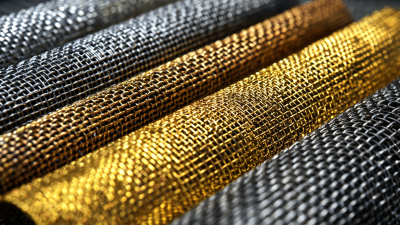
In the evolving landscape of home ventilation systems, the role of screen mesh has garnered significant attention due to its impact on indoor air quality and energy efficiency. According to a report by the American Society of Heating, Refrigerating and Air-Conditioning Engineers (ASHRAE), optimal ventilation can reduce indoor air pollutants, enhancing the overall health of occupants. Screen mesh serves as a critical barrier, preventing dust, insects, and debris from compromising the effectiveness of ventilation systems while allowing for necessary airflow. The market for residential ventilation solutions, projected to reach USD 22 billion by 2025, emphasizes the growing demand for effective ventilation components like screen mesh that combine functionality with sustainability. As homeowners prioritize healthier living environments, understanding the importance of screen mesh will be pivotal in selecting modern ventilation systems that offer both protection and efficiency.
The Role of Screen Mesh in Enhancing Indoor Air Quality
Screen mesh plays a crucial role in enhancing indoor air quality, particularly in modern home ventilation systems. According to the U.S. Environmental Protection Agency (EPA), indoor air can be up to five times more polluted than outdoor air, largely due to dust, allergens, and other particulate matter. Effective ventilation is essential for mitigating these hazards, and screen mesh serves as a first line of defense, filtering out unwanted contaminants while allowing fresh air to circulate.
Moreover, studies indicate that the use of high-quality screen mesh can reduce the infiltration of pollen, pet dander, and other allergens by up to 30%. This is particularly important in urban areas where outdoor pollutants can severely affect indoor air quality. With the trend toward energy-efficient homes, homes equipped with screen mesh in their ventilation systems experience not only improved air quality but also enhanced energy efficiency, as they can better regulate temperature and humidity without compromising airflow. Implementing appropriate screen mesh technology is therefore a critical step in ensuring healthier indoor environments.
Impact of Screen Mesh on Indoor Air Quality in Modern Homes
This chart demonstrates the impact of screen mesh on indoor air quality. The Indoor Air Quality Index (IAQ) shows significant improvement after the installation of screen mesh, indicating better filtering of pollutants and allergens.
Types of Screen Mesh Materials Used in Home Ventilation
Screen mesh plays a vital role in modern home ventilation systems, ensuring that fresh air circulates while keeping unwanted pests at bay. Various materials are utilized for screen mesh, each with distinct benefits tailored to different requirements. Common options include fiberglass, aluminum, and polyester. Fiberglass is lightweight and corrosion-resistant, making it a popular choice for window screens and vents. Aluminum, on the other hand, is durable and provides enhanced strength, often preferred for exterior use in harsh weather conditions. Polyester screens offer flexibility and resistance to tearing, ideal for areas susceptible to wear.
**Tip:** When choosing screen mesh, consider the climate in your area and the specific location of installation to ensure optimal performance and longevity.
Additionally, specialty screen mesh options like solar screens and pet-resistant screens are becoming increasingly popular. Solar screens help reduce heat gain in the summer while maintaining visibility, contributing to energy efficiency. Pet-resistant screens are designed with reinforced materials to withstand scratches and impacts from pets, ensuring durability without compromising airflow.
**Tip:** Always check the mesh size; finer meshes keep out smaller insects but may restrict airflow, affecting ventilation efficiency.
How Screen Mesh Contributes to Energy Efficiency in Ventilation Systems
Screen mesh plays a crucial role in enhancing energy efficiency within modern home ventilation systems. By acting as a barrier against dust, insects, and debris, screen mesh ensures that only clean, filtered air circulates throughout living spaces. This ability to maintain air quality reduces the need for excessive energy consumption typically required for heating and cooling systems to combat pollutants. Consequently, homes equipped with effective screen mesh can significantly lower energy costs while providing a healthier environment.
Furthermore, the design and material of screen mesh also contribute to the overall performance of ventilation systems. High-quality screen meshes allow for optimal airflow, enabling systems to operate efficiently without overworking. This not only prolongs the life of ventilation equipment but also minimizes energy waste, aligning with sustainable living practices. In addition, using screen mesh helps maintain a balanced indoor climate, which is crucial for maximizing comfort without straining energy resources. Thus, the integration of screen mesh in ventilation systems is a simple yet impactful step towards achieving greater energy efficiency in modern homes.
Maintenance Tips for Ensuring Optimal Performance of Screen Mesh
Screen mesh plays a critical role in modern home ventilation systems by allowing fresh air to circulate while keeping insects and debris out. However, maintaining the integrity and effectiveness of screen mesh is essential for ensuring optimal performance. According to a report by the American Society of Heating, Refrigerating and Air-Conditioning Engineers (ASHRAE), nearly 30% of energy loss in homes can be attributed to poorly maintained ventilation systems, highlighting the necessity of regular screen mesh upkeep.
To ensure your screen mesh functions effectively, it’s vital to inspect it regularly for any signs of wear and tear. Remove any accumulated dirt and debris at least once a season. Additionally, consider replacing screen mesh made from lower-quality materials or showing signs of damage. The U.S. Department of Energy suggests that using fiberglass mesh can improve durability and airflow efficiency, thus enhancing your system's overall performance.
Another important tip is to check for proper installation; poorly fitted mesh can lead to gaps that allow pests to enter and can significantly reduce the system’s efficiency. Use a caulking gun to seal any noticeable gaps, and ensure that the screen is taut to prevent sagging. By taking these simple maintenance steps, you can prolong the life of your ventilation system and optimize indoor air quality.
Common Issues with Screen Mesh and Solutions for Homeowners
When it comes to home ventilation systems, screen mesh plays a crucial role in maintaining air quality while ensuring the operational efficiency of HVAC systems. However, homeowners often encounter common issues related to screen mesh, which can significantly affect airflow and complicate maintenance. For instance, a study by the American Society of Heating, Refrigerating and Air-Conditioning Engineers (ASHRAE) reveals that nearly 30% of airflow obstruction in ventilation systems can be attributed to clogged or damaged screen mesh, resulting in decreased energy efficiency and higher utility bills.
To tackle these issues, regular inspection and maintenance of screen mesh are essential. Homeowners should be aware of the signs of wear, such as visible tears or accumulation of dust and debris, which can hinder airflow. The Environmental Protection Agency (EPA) recommends cleaning or replacing screen mesh at least once a year to ensure optimal performance. Additionally, investing in high-quality, durable screen mesh designed to withstand varying weather conditions can mitigate long-term issues. By addressing these common problems proactively, homeowners can enhance their ventilation systems' efficiency, ultimately leading to improved indoor air quality and energy savings.