How to Identify and Use Muscovite Mica in Your Projects?
muscovite mica is a versatile mineral widely used in various projects, from construction to arts and crafts. John Smith, an industry expert, states, “Muscovite mica provides remarkable insulation and aesthetic appeal.” This highlights its dual functionality in diverse applications.
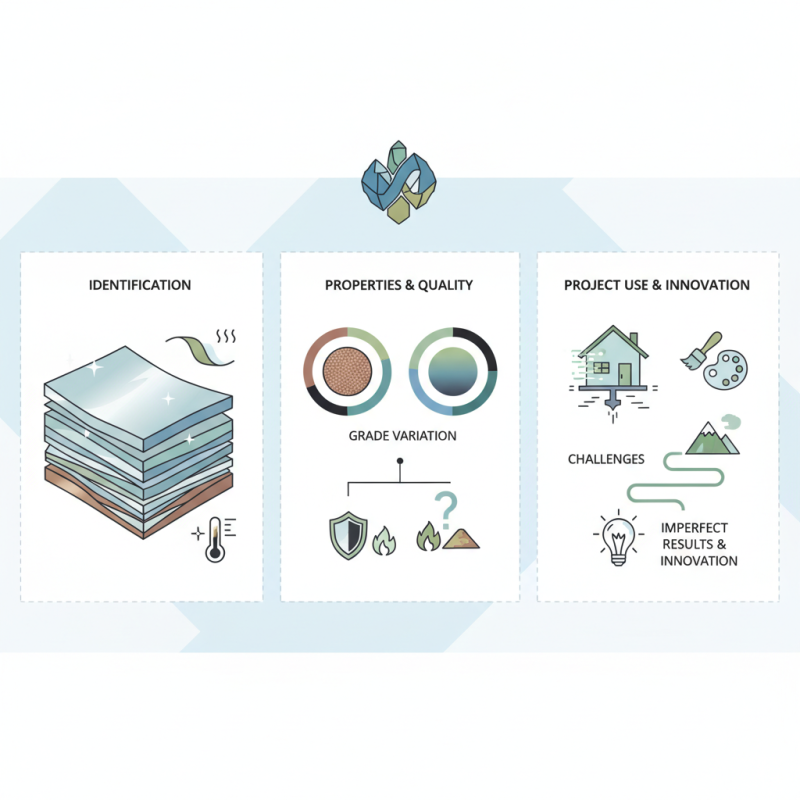
Identifying muscovite mica involves recognizing its layered structure and pearly luster. Its unique properties like flexibility and heat resistance make it attractive. However, not all mica is the same. The quality can vary, impacting your project's outcome.
Using muscovite mica effectively requires understanding its characteristics. Experimenting with different grades can lead to better results. There may be challenges in sourcing high-quality materials. It's essential to acknowledge these hurdles and adapt your approach accordingly. Embracing imperfect results can lead to innovative solutions in your projects.
Identifying Muscovite Mica: Characteristics and Physical Properties
Muscovite mica is a fascinating mineral known for its unique physical properties. This mica type exhibits a shiny, glittery surface and often appears in shades of colorless, yellow, or brown. Its layered structure allows it to be easily split into thin sheets. This characteristic makes it a sought-after material in various projects, from crafting to construction.
When identifying muscovite mica, look for its perfect cleavage and thinness. It feels slippery to the touch and can reflect light brilliantly. Observing these details can help differentiate it from other minerals. Take care, though; not all shiny minerals are muscovite.
**Tips:** Always test your sample in varying light conditions. The color may change. Ensure your mineral is in a clean state to avoid confusion with dirt or other residues. Mica dust can be harmful, so wear a mask when handling it. Reflect on how you store it; a sealed container is best to prevent contamination. Lastly, while muscovite's beauty is captivating, always consider its practicality in your projects.
Common Applications of Muscovite Mica in Various Industries
Muscovite mica is a versatile mineral used in various industries. Its unique properties make it ideal for different applications. In the construction industry, muscovite adds thermal insulation and durability to materials. It's often found in paints and coatings, enhancing their appearance and reducing wear.
In electronics, muscovite's excellent dielectric properties are invaluable. It's used in capacitors and other components, ensuring reliability. In cosmetics, muscovite provides a shimmering finish in makeup products, appealing to many consumers. While muscovite has many benefits, sourcing it can be challenging. Ethical issues arise from mining practices, and sustainability must be considered.
Some projects may not require high-quality muscovite. In such cases, alternatives exist but may not perform as well. Choosing the right type is crucial. Not all applications are the same. Some require finer particles, while others need coarser textures. Understanding your specific needs will guide your selection process.
Common Applications of Muscovite Mica in Various Industries
Processing Techniques: How to Prepare Muscovite Mica for Use
Muscovite mica is a versatile mineral used in various projects. Proper processing is crucial for maximizing its benefits. Begin by collecting mica flakes from reliable sources. Make sure they are clean and free from contaminants.
To prepare muscovite mica, start with drying the flakes. Spread them out in a thin layer on a baking sheet under low heat. This step removes moisture, ensuring better adhesion in your projects. After drying, grind the flakes into your desired consistency. Use a mortar and pestle for fine powder or a blender for coarser textures.
Tips: Keep safety in mind. Always wear a dust mask to protect your lungs. Consider experimenting with different sizes of mica flakes in your work. Small flakes can create a shimmering effect, while larger ones add texture. It might take time to achieve the perfect blend for your projects, so don’t rush.
Sometimes, you may find impurities in your mica. Take the time to sort through and remove unwanted particles. This extra step can enhance the final outcome. You might feel frustrated at times, but refining your technique is part of the process. Each project is a learning opportunity.
Safety and Environmental Considerations When Using Mica Products
When using mica products like muscovite mica, safety should always come first. These minerals can be hazardous if inhaled. Fine mica particles may become airborne during handling. A dust mask and goggles are recommended to protect yourself. Also, avoid working in poorly ventilated areas. Ensure you understand the risks associated with the materials you use.
Environmental considerations are equally important. Mica mining impacts local ecosystems. Over-extraction can lead to deforestation and land degradation. It is vital to source mica from sustainable practices. Check if the supplier follows ethical mining guidelines. You might think you’re only using a small amount, but collective usage can add up. Reflect on the sourcing of your materials and their overall impact on the planet.
Moreover, think about the life cycle of your projects. Mica can be a fantastic addition, but consider its disposal. Will it end up in a landfill? Create a plan to recycle or repurpose your products. It is not just about using mica but using it responsibly. Each project is a reflection of your values and choice. Take the time to make informed decisions.
How to Identify and Use Muscovite Mica in Your Projects? - Safety and Environmental Considerations When Using Mica Products
| Aspect | Description | Safety Considerations | Environmental Impact |
| Identification | Muscovite mica can be identified by its shiny, layered structure and flexible sheets. | Use protective gear to avoid inhalation of dust during handling. | Micas are non-toxic but should be sourced responsibly to minimize habitat disruption. |
| Applications | Used in cosmetics, electronics, and as filler materials in various products. | Ensure proper ventilation when using in manufacturing processes. | Risk of pollution if waste products are not handled appropriately. |
| Processing | Muscovite is usually mined and ground into fine powder. | Limit exposure to dust and use wet processing methods where possible. | Sustainable mining practices are essential to protect local ecosystems. |
| Storage | Store in a dry, cool area away from direct sunlight. | Avoid storing in areas prone to moisture to prevent clumping. | Utilize eco-friendly containers to minimize plastic waste. |
Market Trends: Analyzing the Demand for Muscovite Mica in 2023
The demand for muscovite mica in 2023 reflects market dynamics influenced by various industries. This mineral is prized for its unique properties, such as its heat resistance and electrical insulation. Recently, there's been a growing emphasis on sustainable sourcing. Suppliers are exploring ethical mining practices, but challenges remain.
Industries such as cosmetics and construction contribute significantly to muscovite's demand. In cosmetics, its shimmering effect captivates consumers. However, contamination issues have sparked debate about sourcing. In construction, it is valued for improving the durability of materials. Yet, supply chain transparency can often be lacking.
As market trends evolve, the competition can lead to price fluctuations. Companies are urged to adapt, focusing on quality and transparency. Misalignment in expectations between suppliers and manufacturers can impact growth. Addressing these gaps is crucial for ensuring that muscovite mica remains a viable option in diverse projects.