Humeral Interlocking Nail Tips for Successful Surgery Recovery?
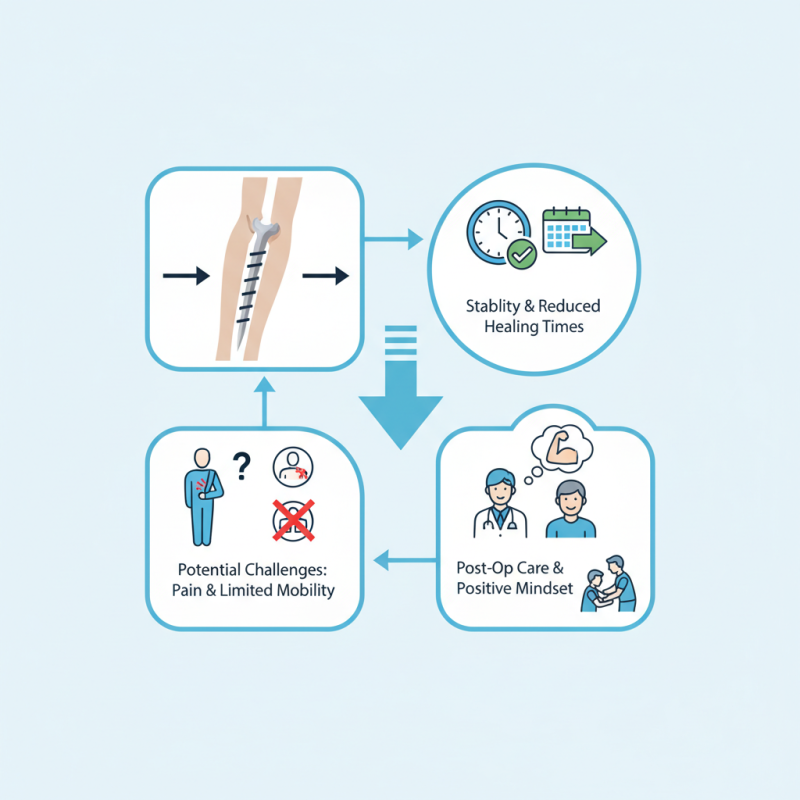
The journey of recovery after a humeral fracture can be challenging. Choosing the right surgical method is crucial. The Humeral Interlocking Nail technique has garnered attention for its effectiveness. This method offers several advantages, including stability and reduced healing times. However, success is not guaranteed.
Patients may face unexpected complications during recovery. For instance, some experience pain or limited mobility despite the procedure. Understanding the nuances of the Humeral Interlocking Nail is key. Surgeons must assess each case individually. Not every patient will respond positively, and that’s a reality worth considering.
Incorporating insights from surgeons can enhance the approach. They often share that proper post-operative care is just as important as the surgery itself. Feedback from patients reveals the psychological aspects of healing as well. A positive mindset can significantly influence recovery speed and outcomes. Ultimately, the Humeral Interlocking Nail can be a viable option, but awareness of its potential pitfalls is essential.
Understanding Humeral Interlocking Nails: An Overview of Their Use
Humeral interlocking nails are crucial in treating complex humeral fractures. These nails provide stability, allowing for better healing. Reports indicate that around 80% of patients experience significant pain reduction post-surgery with this method. The implant is designed to align with the bone, enhancing healing and function.
Despite their advantages, not all outcomes are perfect. About 15% of patients may face complications post-surgery. These complications can include infection or nail migration. Such issues necessitate careful pre-operative planning and patient assessment. Surgeons should weigh the benefits against potential risks to ensure the best approach.
Moreover, recent studies suggest that proper technique is vital. Nail insertion angles and fixation methods can notably affect success rates. Continuous medical education for surgeons is essential to improve these outcomes. By refining skills and understanding variations in anatomy, surgery success can increase substantially.
Surgical Techniques for Implementing Humeral Interlocking Nails
Humeral interlocking nails are increasingly utilized in surgical procedures for humeral fractures. This technique has shown promising results in improving recovery times. According to a recent study, over 80% of patients report excellent functional outcomes within six months post-surgery. However, challenges remain in achieving optimal alignment during the procedure.
Using humeral interlocking nails involves precise surgical techniques. Surgeons must ensure proper entry point selection and nail length. Misalignment can lead to complications, such as delayed union or non-union of the fracture. A 2022 report highlighted that nearly 15% of patients experienced complications due to surgical errors. These statistics underline the need for thorough training and experience.
Surgeons often face unexpected issues during the procedure. For example, bone quality can significantly influence outcomes. In elderly patients, poor bone density may challenge fixation stability. Surgeons must adjust techniques accordingly to ensure the best possible outcomes. Continuous evaluation of techniques and patient management remains crucial for success in humeral interlocking nail surgeries.
Postoperative Care Tips for Optimizing Recovery After Surgery
After surgery involving a humeral interlocking nail, postoperative care is crucial for a smooth recovery. Elevate the arm to minimize swelling. Use cushions to support your arm while resting. Regular gentle movements prevent stiffness. Even small stretches can help in maintaining flexibility.
Additionally, maintaining proper hygiene is essential. Clean your incision regularly as instructed by your healthcare provider. This reduces the risk of infection. Pay attention to any signs of complications, such as increased pain or unusual swelling. Document any changes and consult your doctor if needed.
Nutrition plays a significant role in your recovery process. Consuming protein-rich foods can aid in muscle healing. Stay hydrated, as this supports tissue repair. However, some patients might struggle with appetite post-surgery. It’s okay to have low days, but aim for a balanced diet to recover stronger.
Listening to your body is vital. Rest when you need to, and don't rush the healing process.
Common Complications and How to Address Them in Humeral Surgery
Humeral surgery can lead to various complications that impact recovery. One common issue is infection. It can arise at the surgical site, causing swelling and tenderness. Regular monitoring of the incision for signs of infection is essential. Immediate attention is necessary if redness or discharge occurs.
Another complication is nonunion or malunion of the bone. This happens when the bone fails to heal properly. Patients may experience persistent pain or difficulty moving their arm. It is crucial to follow post-operative guidelines closely. Physical therapy should begin as advised, promoting better alignment and healing.
Sometimes nerve injuries occur during surgery. Patients may experience numbness or weakness in the arm. This can be frustrating, as it delays recovery. Regular follow-up with a healthcare provider is vital. Adjustments to rehabilitation may be necessary to address these issues effectively. Proper communication about symptoms will aid in navigating these complications.
Rehabilitation Strategies for Successful Recovery post Humeral Surgery
Recovering from humeral surgery can be challenging. Rehabilitation plays a crucial role in regaining strength and mobility. Start with gentle range-of-motion exercises soon after surgery. These exercises help to keep the joint flexible. However, it's essential not to overdo them. Pain may be a sign to ease off. Listening to your body is key.
As healing progresses, strengthening workouts become vital. Incorporate lighter weights gradually. Pay attention to how the shoulder responds. Building strength can be frustrating at times. Patience is necessary. Some days may feel more challenging than others. Keeping a journal can help track progress and setbacks. It can also provide motivation during tough days.
Physical therapy may be beneficial. A trained therapist can guide you through personalized exercises. They can ensure you’re doing movements correctly. Support from professionals can make a significant difference. However, every recovery journey is unique. Celebrate small victories along the way. Embrace the ups and downs. Each step contributes to healing.