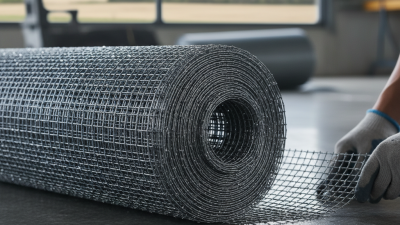
What is a Fine Metal Mesh Screen and Its Applications?
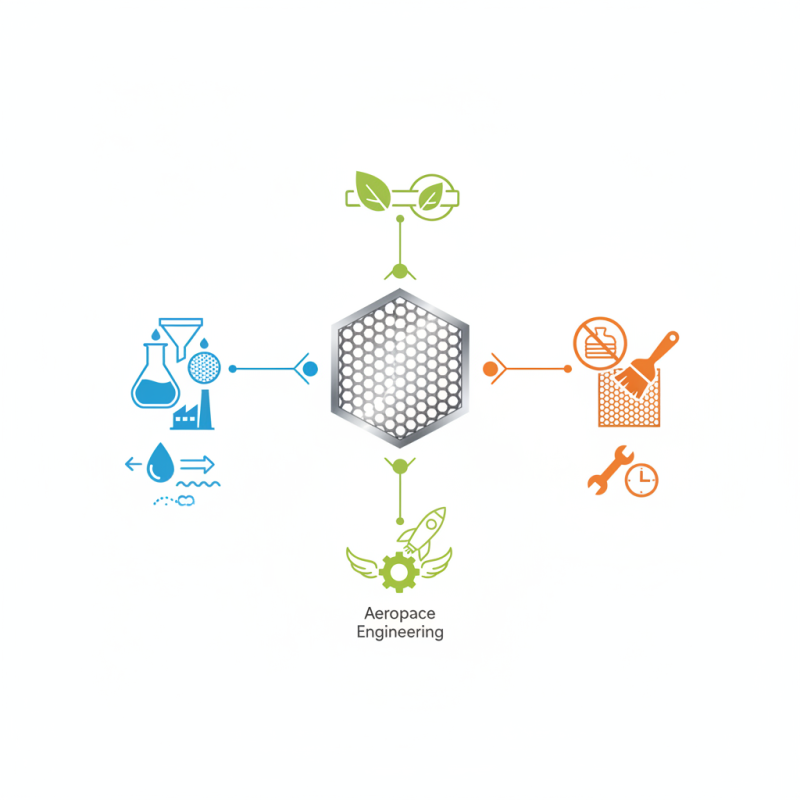
A fine metal mesh screen is a versatile tool widely used in various industries. Its precise construction allows for effective filtration and separation of materials. Often made from stainless steel or other durable metals, it provides strength and longevity. The applications are vast, ranging from food processing to aerospace engineering.
In the food industry, fine metal mesh screens assist in filtering liquids and preventing contamination. They ensure that the final product is pure and safe for consumption. Additionally, these screens find significant use in water treatment facilities. Here, they help remove particulate matter, enhancing water quality.
Despite its benefits, some challenges exist with fine metal mesh screens. Proper maintenance is crucial to avoid clogging or wear. Users must be vigilant about handling and cleaning these screens. Awareness of these factors ensures better efficiency and longevity in their applications.
Definition and Composition of Fine Metal Mesh Screens
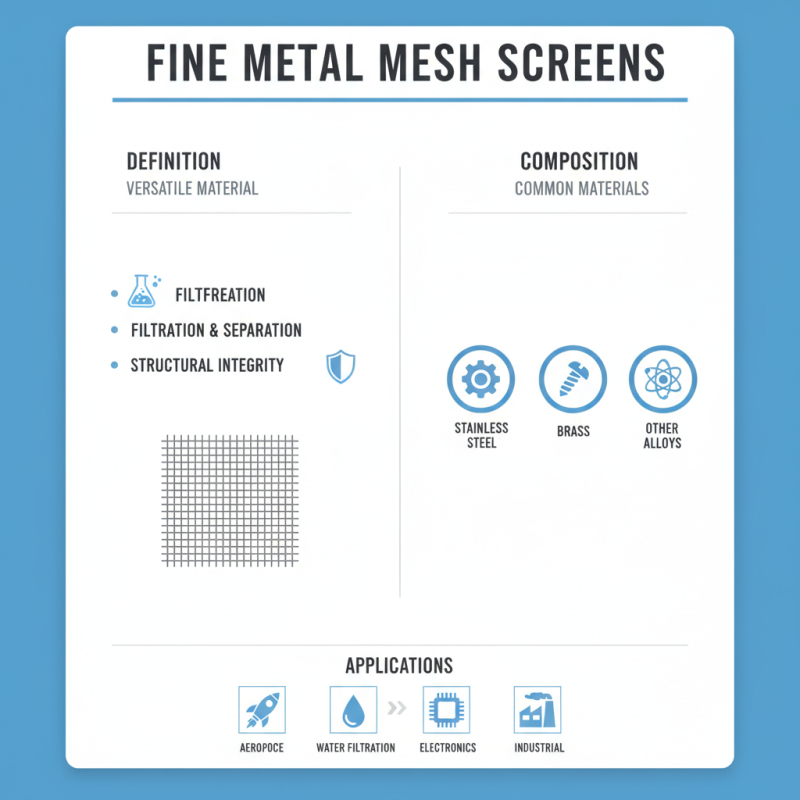
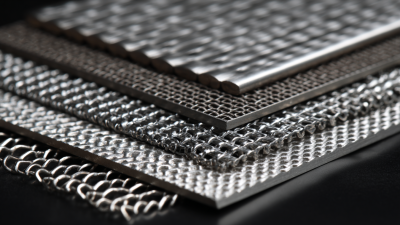
Fine metal mesh screens are versatile materials utilized across various industries. These screens are typically made from stainless steel, brass, or other metal alloys. The fine mesh weave allows for filtration and separation of different substances while maintaining structural integrity. Their applications range widely, from aerospace to water filtration, showcasing their adaptability.
One notable feature of fine metal mesh screens is their customizable specifications. Manufacturers can adjust the mesh size, thickness, and material based on specific needs. For instance, a screen with a smaller mesh size is ideal for filtering out tiny particles. This adaptability makes them invaluable in diverse environments, ensuring efficiency and effectiveness.
**Tip:** When selecting a fine metal mesh screen, consider both the mesh size and the material. Balancing these factors based on the intended use is crucial.
Moreover, fine metal mesh screens have unique characteristics. They are resistant to corrosion, ensuring longevity in challenging conditions. However, sourcing the right quality mesh can be tricky. A screen might look perfect on the surface but have hidden defects that affect performance.
**Tip:** Always check for certifications or standards that indicate the quality of fine metal mesh screens. This can save time and resources in the long run.
Key Features of Fine Metal Mesh Screens
Fine metal mesh screens are vital in various industries due to their unique attributes. One notable feature is their durability. Typically made from stainless steel, these screens resist rust and corrosion. They can withstand high temperatures, making them ideal for demanding applications. According to a recent industry report, the market for metal mesh screens is projected to grow by 5% annually due to their increasing usage in filtration systems and architectural design.
Another key characteristic is their versatility. Fine metal mesh screens come in multiple mesh sizes, catering to specific filtration needs. For instance, a mesh size of 100 microns can filter small particles without losing airflow. This precision is essential in industries like food processing, where strict hygiene standards are enforced. Some studies show that improper filtration can lead to a 30% reduction in product quality.
Despite their advantages, fine metal mesh screens are not without limitations. They can be prone to clogging under certain conditions. Regular maintenance is needed for optimal performance. Users must also consider the initial cost, which can be higher than other materials. Finding the right balance between cost and performance is crucial for effective use.
Common Applications in Various Industries
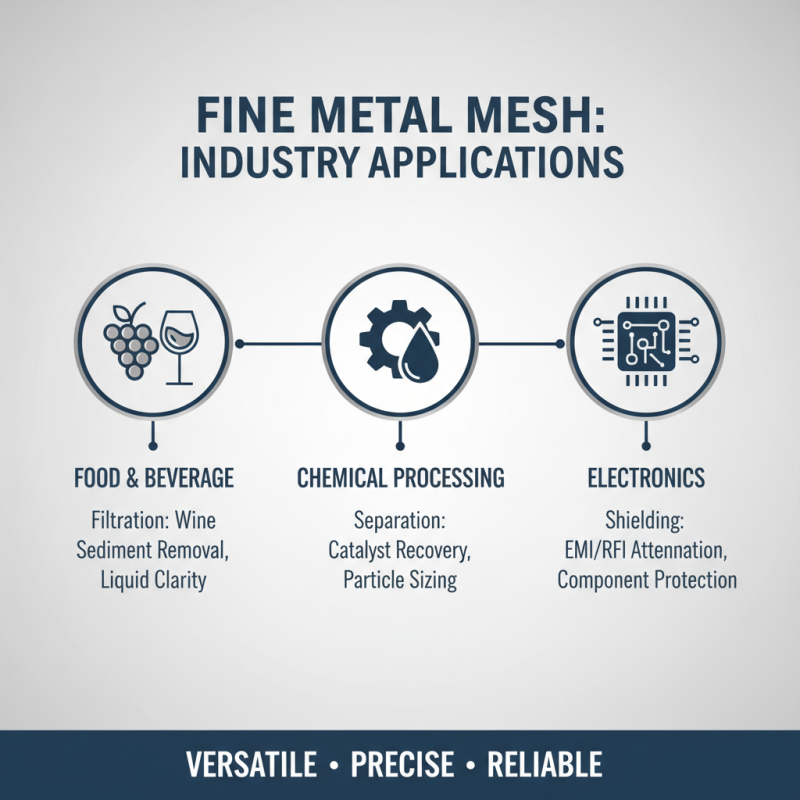
Fine metal mesh screens find versatile applications across multiple sectors. These screens, made from finely woven metal wires, are used extensively in filtration. In the food and beverage industry, they ensure liquid clarity by removing particulates. For instance, they filter out sediment in wine production.
In the electronics industry, these screens serve unique purposes. They protect sensitive components from dust and other contaminants. Additionally, they are integral in various audio equipment, helping to dampen unwanted vibrations. Their role in automotive applications is noteworthy. They act as barriers, ensuring engines run smoothly by filtering lubricants and fuels.
While metal mesh screens are highly effective, they are not flawless. Some may corrode over time, especially in harsh environments. Users must regularly inspect them for wear. Finding the right mesh size can also be challenging, as it directly affects performance. Balancing durability and functionality is essential, requiring thoughtful consideration for optimal results.
Advantages of Using Fine Metal Mesh Screens
Fine metal mesh screens offer remarkable advantages across various industries. These screens are designed with precise openings that effectively filter particles, liquids, and gases. Their lightweight nature makes them easy to handle and install. The durability of fine metal mesh ensures longevity, even in harsh environments. This makes them ideal for applications in electronics, medical devices, and food processing.
Versatility is a key benefit of fine metal mesh screens. They can be customized to fit specific needs, whether for filtration, protection, or separation. For example, in the aerospace sector, they are used to prevent contamination without compromising airflow. In the pharmaceutical industry, they ensure the purity of products during manufacturing. While the technology behind these screens is advanced, there are still challenges in ensuring optimal performance in every application.
Their efficacy, however, is frequently proven in real-world scenarios. This demonstrates not only the reliability of metal mesh screens but also the potential for improvement in design and application. Innovators are continuously seeking ways to refine mesh designs for better efficiency and reduced costs. The evolution of fine metal mesh technology reflects both its valuable contributions and the areas needing further exploration.
Maintenance and Care for Fine Metal Mesh Screens
Fine metal mesh screens are precision-engineered components used in various applications, including
filtration and separation processes.
These screens are sensitive to maintenance needs. Regular cleaning helps maintain their efficiency.
It is crucial to remove debris, dust, and any buildup that may obstruct the mesh.
For proper care, gentle cleaning methods are recommended. A soft brush or cloth can effectively eliminate loose particles.
Avoiding harsh chemicals is vital, as they can damage the screen's surface.
In some cases, a mild detergent mixed with water can be beneficial. However, ensure thorough rinsing to prevent residue buildup.
Periodic inspections are essential to identify wear or damage.
Small tears or irregularities can compromise performance. Addressing these issues promptly can prevent costly replacements.
Recognizing when to retire a screen is just as important as maintaining it. A keen eye for
detail will enhance both its lifespan and effectiveness.