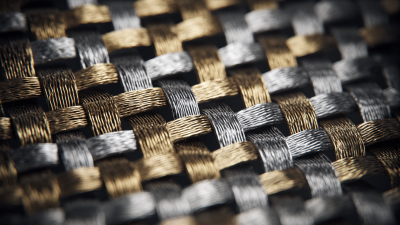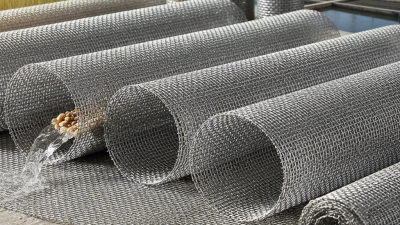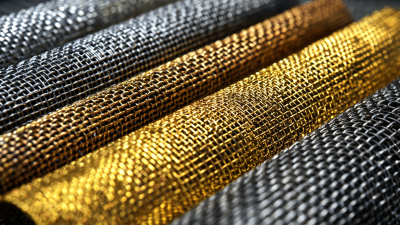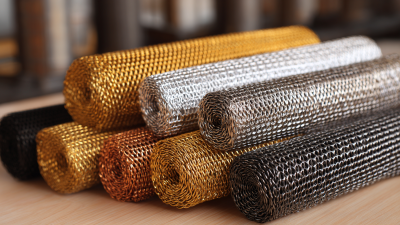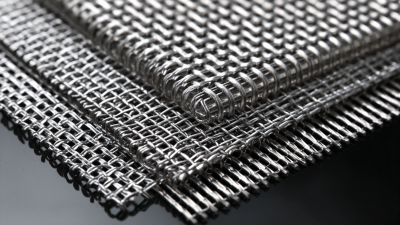

When considering improvements for your home or garden, a fine mesh screen deserves attention. This practical solution offers numerous benefits that you may not realize. Fine mesh screens provide protection against pests while allowing air and sunlight to flow in.
Picture a serene garden space, free from bothersome insects. With a fine mesh screen, you can enjoy the outdoors without constant distraction. These screens prevent dirt and debris from entering your living areas.
However, not every screen may fit your specific needs. It's essential to choose wisely and reflect on your environment. A poorly chosen screen might lead to frustration rather than satisfaction. Thus, understanding the advantages of fine mesh screens is crucial for creating a comfortable home and garden.
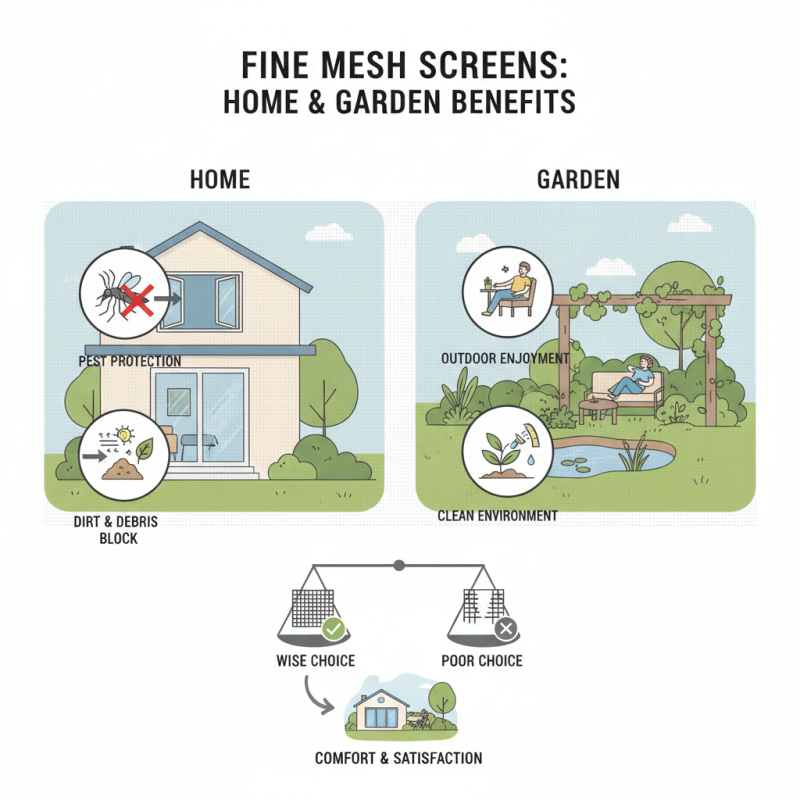
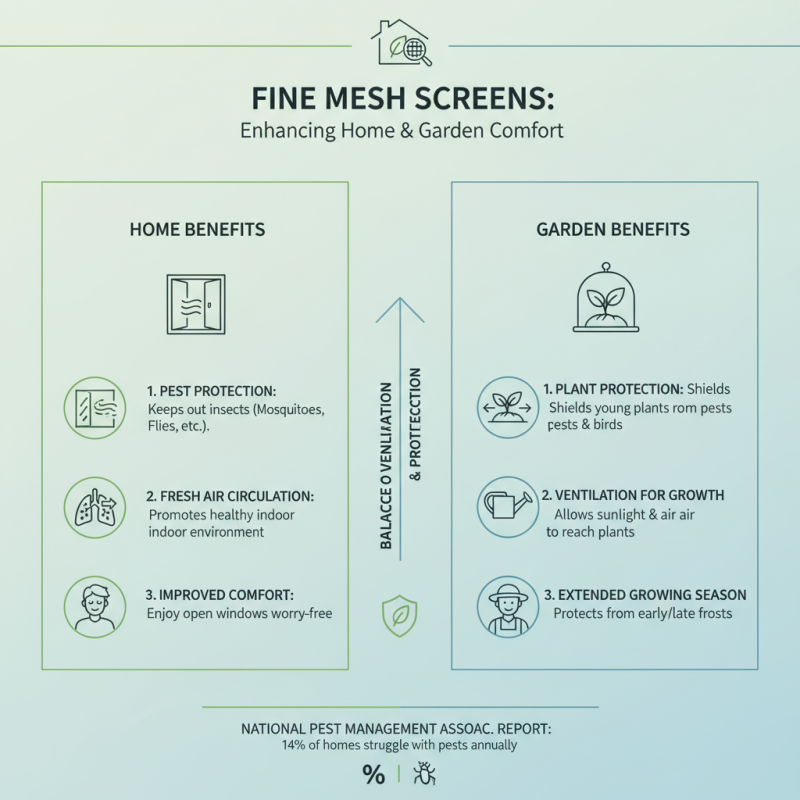
Fine mesh screens serve a crucial role in both home and garden environments, providing diverse benefits that enhance comfort and safety. According to a recent report by the National Pest Management Association, nearly 14% of homes struggle with pest infestations each year. Fine mesh screens effectively keep out unwanted insects while allowing fresh air to circulate. This balance between ventilation and protection is essential for a healthy living space.
In addition to pest control, fine mesh screens contribute to energy efficiency. A study by the U.S. Department of Energy indicates that homes with effective screening can reduce cooling costs by up to 30%. This is particularly important in warmer climates where air conditioning is necessary. The screens allow cooler air in while blocking the heat from direct sunlight. Homeowners also appreciate the clarity and aesthetics these screens provide, as they maintain unobstructed views of gardens and landscapes.
However, not all installations are perfect. Installation errors can lead to gaps, rendering the screens less effective. Furthermore, maintenance is key. Dust and debris can accumulate, diminishing airflow and efficiency over time. Regular cleaning is necessary to maximize the benefits of fine mesh screens. Investing time in upkeep is worth the effort for improved comfort and resource savings.
Fine mesh screens offer a range of advantages for garden use. These screens are great at keeping out pests like insects and birds. With their tiny openings, they protect delicate plants while allowing sunlight to filter through. The screens also help retain moisture in the soil, which is crucial during dry spells.
Another benefit is versatility. Fine mesh screens can be used in various ways, such as garden enclosures or temporary barriers. They can fit around raised beds or protect seedlings from harsh weather. However, installation can be tricky. It requires careful planning to ensure they're secure yet functional.
Maintenance is another aspect to consider. Fine mesh needs cleaning to prevent dirt buildup. If neglected, it may lead to reduced airflow. Some users overlook this, leading to issues with plant health. Reflecting on these challenges helps gardeners make informed decisions. Balancing protection and care is key to a thriving garden with fine mesh screens.
| Advantage | Description |
|---|---|
| Pest Control | Fine mesh screens prevent pests such as insects and rodents from entering your garden or home. |
| Improved Airflow | They allow for adequate airflow while blocking larger particles and debris. |
| UV Protection | Fine mesh screens can provide a barrier against harmful ultraviolet rays, protecting plants from excessive sun exposure. |
| Easy Installation | They are generally easy to install and maintain, making them convenient for homeowners and gardeners. |
| Versatile Use | Fine mesh screens can be used in various settings, including windows, doors, and garden beds. |
| Aesthetic Appeal | They come in various designs and colors, enhancing the visual appeal of homes and gardens. |
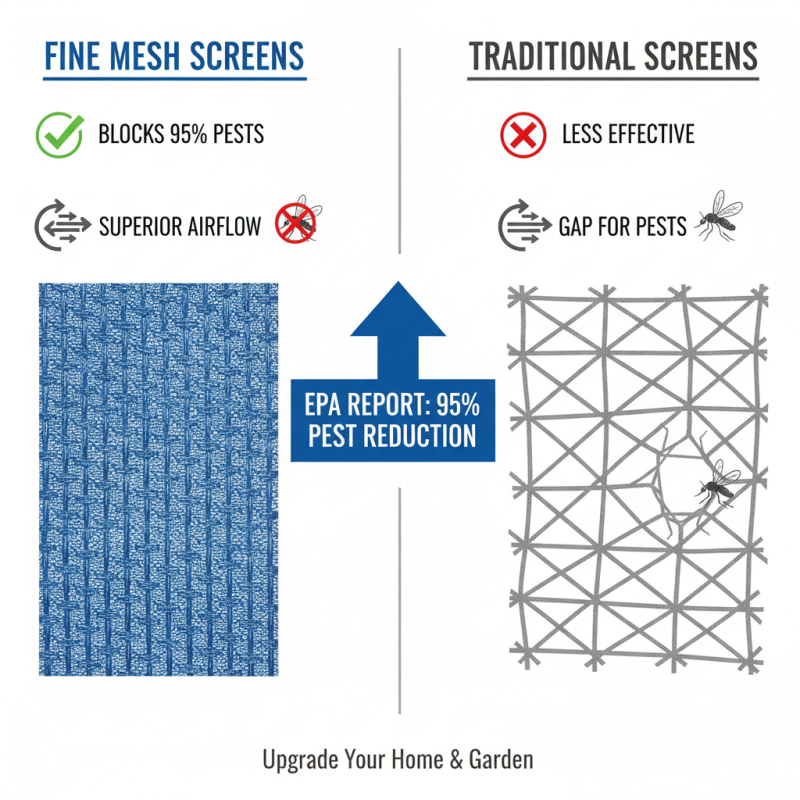
When considering screens for your home or garden, a fine mesh screen offers significant advantages over traditional options. A recent report from the Environmental Protection Agency found that fine mesh screens can reduce pest entry by up to 95%. This stark contrast highlights their superior efficiency in keeping insects out while allowing airflow. Traditional screens often leave gaps, creating opportunities for unwanted guests.
Fine mesh screens are also more durable. According to a study by the American Institute of Steel Construction, thinner materials, if well-made, can resist tearing better than thick, traditional screens. This means fewer repairs and replacements, ultimately saving time and money. Garden enthusiasts will appreciate that fine mesh screens can protect plants from small pests without blocking sunlight.
However, using fine mesh isn't without challenges. Installation can require more skill, and they may not fit all window types easily. Additionally, the blocking of small debris may lead to maintenance issues, as dirt can accumulate more quickly. Households might need to be more vigilant about regular cleaning compared to standard screens. Understanding these trade-offs is crucial when deciding which type of screen will best suit your environment.
When considering fine mesh screens for your home or garden, installation can greatly impact their effectiveness. Proper placement ensures they serve their purpose well. Ensure the frame is sturdy before beginning. Measure your windows or garden areas accurately to avoid mistakes. Using a level during installation will help maintain alignment.
Tip:
Use a staple gun for better fastening. It provides a tight hold, preventing gaps. Remember to cut the mesh slightly larger than needed. This allows for adjustments during installation. If you're working with irregular shapes, take your time. A hasty job can lead to issues later on.
Tip:
Plan for the weather. Choose a dry day for installation. Moisture can cause the mesh to stretch or warp. Take breaks if you feel fatigued. Installing screens can be tedious, and rushing can lead to errors. Once you finish, check for any loose edges. Inspect the installation from different angles to spot flaws.
Fine mesh screens are valuable for both homes and gardens. They protect against pests while allowing air and light to pass through. To maintain their effectiveness, it's essential to invest time in regular care. Dirt and debris can accumulate, affecting visibility and airflow. A simple wash with water can do wonders. Gentle scrubbing helps without damaging the screen material.
Inspecting for tears or wear is equally important. A small puncture can quickly grow into a larger issue. Minor repairs can be straightforward with the right tools. Consider using adhesive patches for quick fixes. Regular upkeep can prolong the life of your fine mesh screens significantly. However, it's easy to overlook these details amidst a busy schedule. Prioritizing maintenance, even in small ways, can ensure screens remain functional and attractive.
Think about seasonal changes. In spring, pollen can clog screens, necessitating a thorough clean. Autumn leaves may also create blockages. Setting a consistent cleaning routine can help avoid buildup. When done regularly, these tasks can feel less daunting. Each step contributes to a more enjoyable home and garden environment. Reflect on how neglecting care may lead to greater problems later. Simple actions often yield big rewards.
This chart illustrates the benefits of using fine mesh screens in various applications around the home and garden. The data reflects user-reported advantages and maintenance factors that influence their choice.