What is an Electrical Cable and How to Choose the Right One?
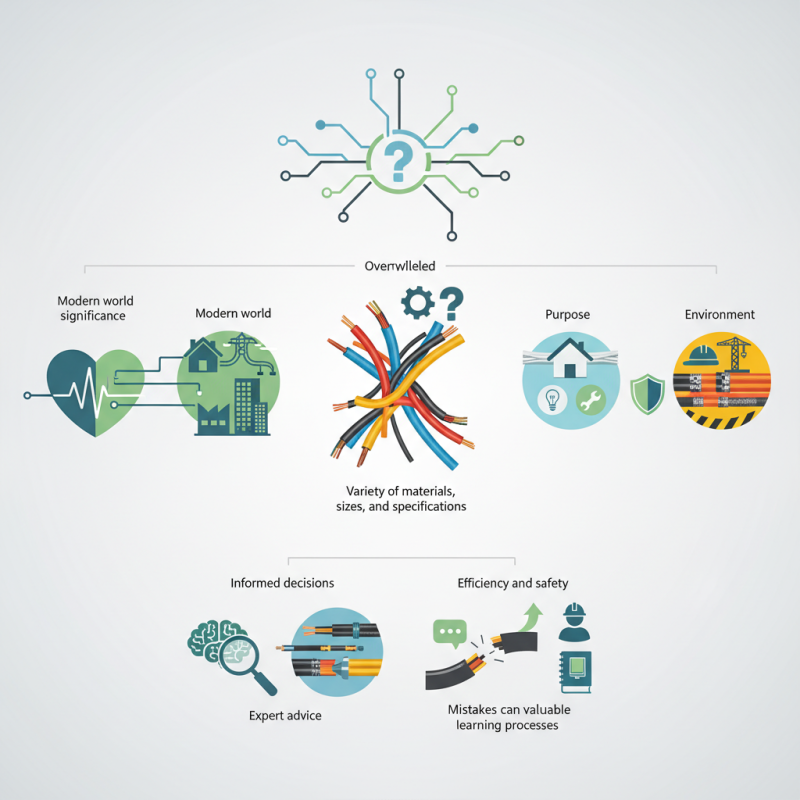
In our modern world, the significance of an electrical cable cannot be overstated. These essential components are the veins of our electrical systems, allowing power to flow to homes, businesses, and industries. However, choosing the right electrical cable is often complicated. With a variety of materials, sizes, and specifications available, it's easy to feel overwhelmed.
Understanding the purpose of each type of electrical cable is crucial for safe and effective use. For instance, a household might require different cables than a construction site. Each environment demands specific features to ensure efficiency and safety. Without proper knowledge, one might make costly mistakes.
In an age where electrical safety and efficiency are paramount, informed decisions become even more critical. Relying on expert advice can lead to better choices. However, it's also important to reflect on personal experiences and learning processes. Mistakes can be valuable teachers in navigating the vast world of electrical cables.
What is an Electrical Cable: Definition and Purpose
An electrical cable is a crucial component for electrical installations. It consists of conductors that carry current and insulation that protects against electrical hazards. Common uses of cables include powering homes, industries, and electronic devices. The purpose of an electrical cable is to transfer electrical energy efficiently and safely. Different types of cables are designed for various applications, such as residential wiring, outdoor usage, or industrial settings.
Choosing the right electrical cable requires understanding specific requirements. Consider the voltage, current rating, and environmental conditions. For instance, outdoor cables should be weather-resistant. Indoor cables may prioritize flexibility. Always ensure the cable can handle the load effectively. Many factors complicate this choice, such as distance and installation method.
Lastly, consulting with a professional can clarify your needs. Misjudging your requirements can lead to issues like overheating or short circuits. An incorrect cable choice may endanger safety and efficiency. Regularly review your specifications and installation practices to prevent potential hazards.
What is an Electrical Cable and How to Choose the Right One?
| Cable Type |
Purpose |
Voltage Rating |
Conductor Material |
Insulation Type |
| THHN |
General purpose wiring |
600V |
Copper |
PVC |
| Romex |
Residential wiring |
120/240V |
Copper |
NM (Non-Metallic) |
| MC Cable |
Commercial wiring |
600V |
Copper or Aluminum |
PVC or Aluminum |
| UF Cable |
Underground wiring |
600V |
Copper |
UF Insulation |
| Service Entrance Cable |
Electrical service connection |
600V |
Copper or Aluminum |
XLPE or PVC |
Types of Electrical Cables: Overview of Common Varieties
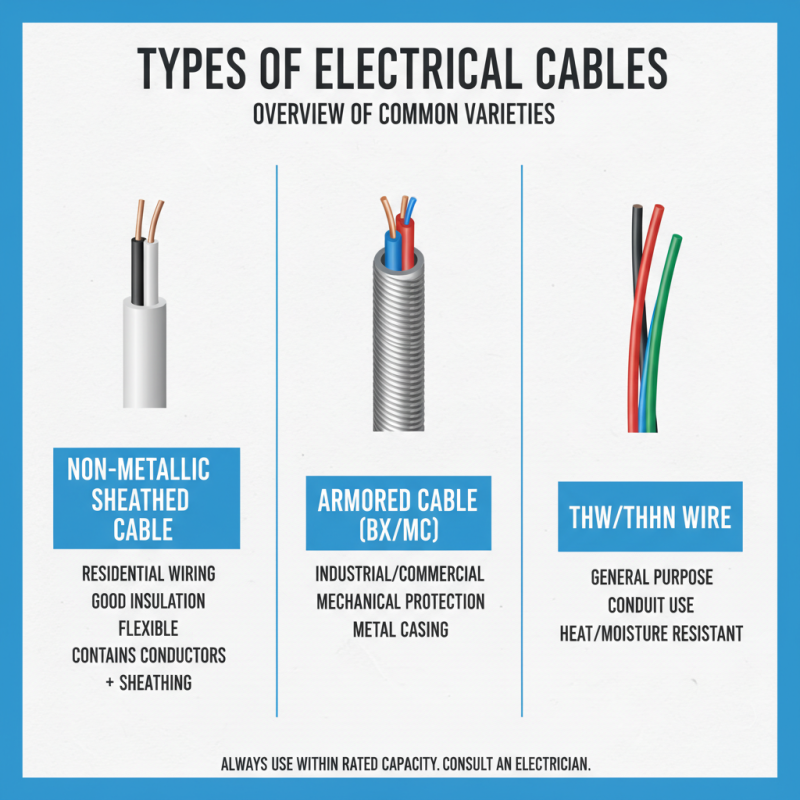
When selecting the right electrical cable, it’s essential to understand the common types available. Each type serves a unique purpose. For instance, non-metallic sheathed cables are typically used in residential wiring. They offer good insulation and flexibility. These cables contain conducting wires and protective sheathing. Yet, ensure you use them within their rated capacity.
Another common type is armored cables. These cables come with a protective metal layer. This feature makes them ideal for environments where physical damage is a concern. However, their weight can make installation tricky. You'll want to consider the installation environment carefully.
The choice of cable can also depend on the voltage requirements. Low-voltage cables are suitable for outdoor lighting. Meanwhile, high-voltage cables are required for heavier industrial equipment. Remember to assess your project’s specific needs thoroughly. Different cables can lead to various levels of efficiency and safety. This requires careful consideration.
Key Specifications: Understanding Voltage, Amperage, and Material
When selecting an electrical cable, understanding key specifications is crucial.
Voltage, or the potential difference, determines how much electric force the cable can handle.
A cable rated for higher voltage can supply energy over longer distances without losing power.
Choosing the proper voltage rating prevents overheating and ensures safety in your electrical systems.
Amperage measures the current flowing through the cable.
It's vital to select a cable that can safely handle the required amperage.
Underestimating this can lead to cable failure, which poses risks like fire hazards.
Consult ampacity charts to match cables with the anticipated load.
Finally, the material of the cable affects its performance.
Copper is often preferred for its conductivity.
Aluminum is lighter but may not carry the same load.
Each material has pros and cons, impacting flexibility and installation ease.
Consider the environment and longevity needs as you make your choice.
Experience can guide your selection, but recent insights can also refine your knowledge.
Factors to Consider When Choosing the Right Electrical Cable
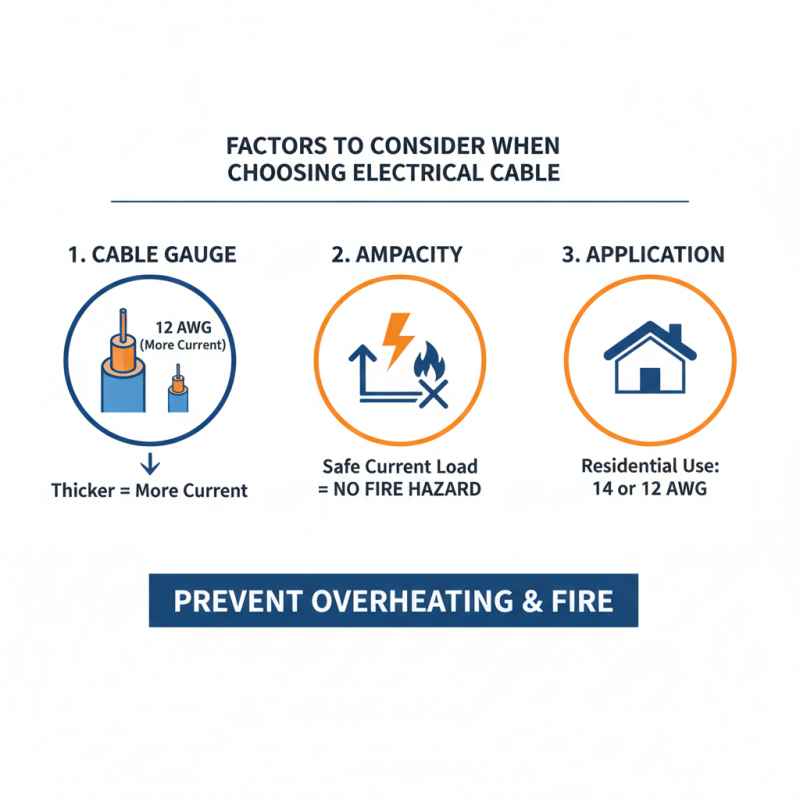
When selecting the right electrical cable, several factors play a crucial role. The cable's gauge is fundamental. Thicker cables can handle more current, reducing the risk of overheating. For residential applications, commonly used gauges are 14 or 12 AWG. Understanding the ampacity—how much current a cable can carry safely—is vital to avoid fire hazards.
Consider the environment where the cable will be installed. Cables intended for outdoor use require insulation that can withstand moisture, sunlight, and temperature variations. Indoor cables, however, may prioritize flexibility. The choice of material also matters. Copper is common due to its excellent conductivity, while aluminum is lighter and less expensive but may require larger sizes to carry the same load.
Lastly, local codes and regulations should not be overlooked. They dictate specific requirements for installations. Ignoring these guidelines can lead to unsafe conditions. It’s essential to conduct thorough research and seek professional advice when unsure about cable selection. Mistakes in this area can have serious consequences, underscoring the importance of informed choices.
Safety Standards and Regulations for Electrical Cables
When selecting electrical cables, understanding safety standards is crucial. Various regulations govern the design and installation of these cables. In the U.S., the National Fire Protection Association (NFPA) outlines specific codes in the National Electrical Code (NEC). Compliance with these standards ensures safety and reliability in electrical installations.
Data from the International Electrotechnical Commission (IEC) shows that improper cable selection can lead to hazardous situations. For instance, cables installed without adherence to standards can result in overheating, electrical fires, or equipment failure. Manufacturers often test cables to meet or exceed these safety standards. Quality assurance processes are essential for maintaining safety and performance.
Installation practices also play a role in compliance. Cables must be properly rated for their application and environmental conditions. The relevant standards include considerations for insulation, voltage, and temperature ratings. Insufficient knowledge or oversight could lead to inappropriate installation that compromises safety. Therefore, both the choice of cable and adherence to regulations are vital for minimizing risks.
Electrical Cable Types and Their Usage
This chart illustrates the percentage usage of different types of electrical cables, demonstrating the relative prevalence of each type in the market. Understanding these figures can help in selecting the right cable based on application needs and safety standards.