Top 10 Ways to Effectively Filter Media Content for Better Engagement
In an era dominated by digital content, the ability to effectively filter media has become essential for fostering greater engagement and ensuring a meaningful connection with audiences. With the overwhelming volume of information available online, users are often inundated with content that is irrelevant or uninteresting to them. This challenge has prompted content creators, businesses, and marketers to seek innovative strategies that not only streamline the media intake process but also enhance the overall user experience.
To navigate this complex landscape, it is crucial to implement effective filtering techniques that align with audience preferences and behaviors. By applying tailored filtering methods, creators can curate high-quality media that resonates with their target demographic, ultimately fostering a deeper engagement and loyalty. This article explores ten of the most effective ways to filter media content, empowering content strategists to refine their approach and connect more authentically with their audiences. With the right filtering strategies in place, the clutter of irrelevant media can be minimized, allowing for a more focused and engaging content experience.

Understanding the Importance of Content Filtering for Media Engagement
Content filtering is becoming increasingly essential for media engagement as audiences are inundated with information from various sources. Research indicates that streamlined content presentation can lead to a 43% increase in user interaction, leading to higher retention rates and brand loyalty. Effective filtering can make a significant difference in how audiences perceive and engage with media, ensuring they receive relevant information that resonates with their interests and needs.
To optimize media engagement, consider the following tips: First, utilize data analytics to understand audience preferences better. By analyzing user behavior and engagement metrics, you can identify which types of content prompt reactions and encourage sharing. Secondly, implement machine learning algorithms to automate content curation. A recent study found that 70% of consumers are more likely to engage with personalized content recommendations. Lastly, create user-generated content opportunities, allowing audiences to contribute and shape the media narrative while fostering a community that feels valued and connected.
As media entities shift toward more focused content strategies, prioritizing filtering mechanisms not only enhances user experiences but also improves overall engagement metrics. In an age where attention spans are dwindling, ensuring users encounter the most pertinent content can redefine how they interact with media channels.
Identifying Your Target Audience to Enhance Content Relevance
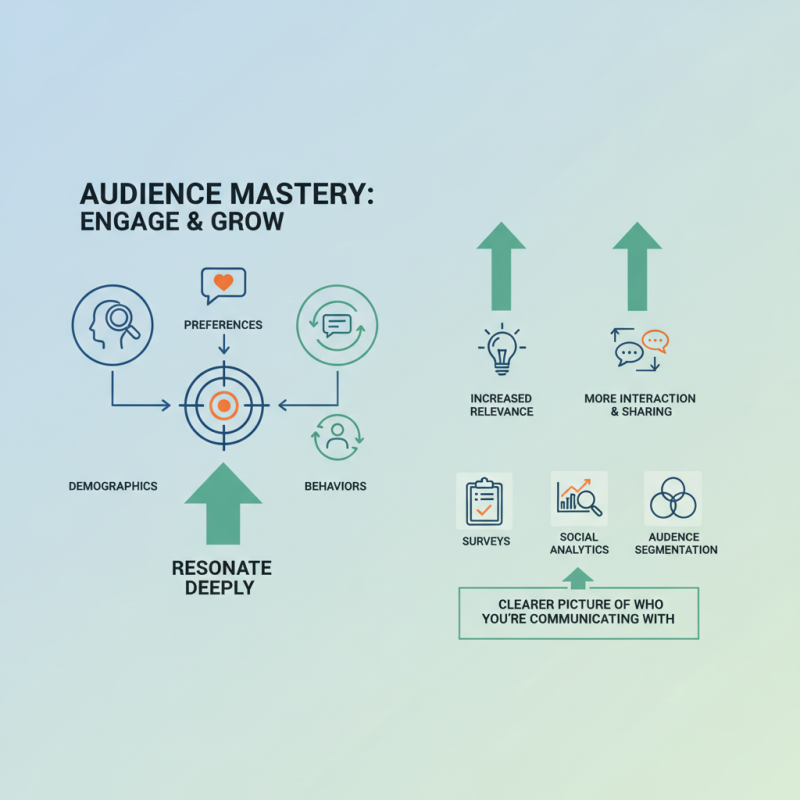
Identifying your target audience is the cornerstone of creating engaging media content. By understanding the demographics, preferences, and behaviors of your audience, you can tailor your content to resonate deeply with them. This not only increases the relevance of your messaging but also enhances the likelihood of interaction and sharing among viewers. Utilizing tools like surveys, social media analytics, and audience segmentation can provide invaluable insights that help you paint a clearer picture of who you're communicating with.
Once you have a solid understanding of your target audience, it is essential to create content that speaks directly to their interests and needs. This might involve crafting stories that reflect their experiences, addressing common pain points, or aligning with their values. Engaging content should provoke thought, evoke emotion, or provide solutions that matter to them. The more authentic and relatable your media is, the more likely it will foster a connection, leading to higher engagement rates. Ultimately, the goal is to cultivate a loyal audience that feels seen and heard, which can significantly enhance the effectiveness of your media strategy.
Utilizing Advanced Algorithms for Effective Content Curation
In the digital age, the sheer volume of media content can be overwhelming. To enhance user engagement, leveraging advanced algorithms for content curation is essential. These algorithms can analyze user behavior, preferences, and interactions to deliver personalized content that resonates with individual interests. By utilizing machine learning and artificial intelligence, platforms can refine their recommendations, ensuring that users are receiving material that is not only relevant but also engaging.
Moreover, advanced algorithms can facilitate real-time filtering of content, allowing platforms to adapt rapidly to emerging trends and user sentiments. This dynamic approach means that content curation is not static; it evolves based on live data analytics and user feedback. As a result, audiences are far more likely to engage with content that is tailored to their unique preferences, thereby fostering a deeper connection with the platform and enhancing overall user satisfaction. The integration of such technologies ultimately paves the way for more meaningful interactions between users and content, ensuring a richer media experience.
Incorporating User Feedback to Refine Media Filtering Strategies
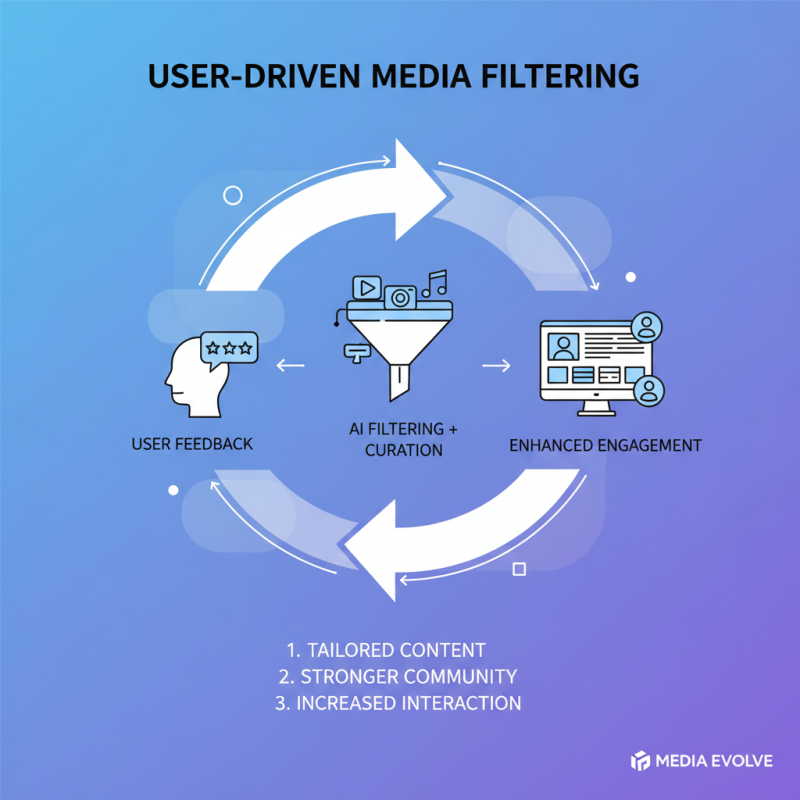
In the rapidly evolving landscape of digital media, incorporating user feedback into media filtering strategies has become essential for enhancing engagement. By actively involving users in the content selection process, organizations can tailor their offerings to meet audience preferences and interests more effectively. This not only fosters a sense of community but also encourages users to spend more time interacting with the content.
To effectively leverage user feedback, it’s crucial to establish multiple channels for input. Implementing surveys or feedback forms can provide valuable insights into what users enjoy, as well as what they would like to see less of. Regularly monitoring social media interactions and comments can also reveal trends and preferences that might not emerge through formal mechanisms.
Additionally, using this feedback to refine filtering algorithms can further enhance user experience. Consider implementing pilot programs where specific content curation strategies are tested over a short period, allowing for real-time adjustments based on user response. This not only keeps the content fresh and relevant but also demonstrates to users that their opinions are valued, ultimately leading to greater engagement and loyalty.
Measuring Engagement Metrics to Assess Content Filtering Effectiveness
Measuring engagement metrics is crucial in assessing the effectiveness of content filtering strategies. By collecting and analyzing data such as click-through rates, average time spent on content, and social media shares, creators can gain insights into how well their filtered content resonates with their audience. For example, a higher click-through rate on certain topics may indicate that the content filtering is successfully aligning with user interests and preferences.
Additionally, tools like heatmaps can help visualize audience interaction, showing where users are most engaged within a piece of content.
Furthermore, understanding audience feedback through comments and ratings provides qualitative data that complements quantitative engagement metrics. This feedback loop is essential for refining content filtering techniques over time. If certain content consistently underperforms in engagement metrics, it may prompt a reevaluation of the filtering criteria applied.
Engaging with audience insights not only informs future content strategies but also fosters a deeper connection with the audience, as it demonstrates an understanding of their preferences and needs. Thus, a systematic approach to measuring and interpreting engagement metrics is vital for enhancing content filtering effectiveness and ultimately fostering better audience engagement.