What is Cold Rolled Coil and How is it Used?
Cold Rolled Coil is a vital material in various industries. It is produced by rolling steel at room temperature, resulting in a smooth finish. This process enhances strength and reduces thickness, making it ideal for many applications. You can find Cold Rolled Coil in automotive parts, appliances, and construction materials.
The manufacturing process begins with a hot-rolled sheet. This sheet undergoes further rolling to achieve the desired dimensions. The final product offers excellent dimensional accuracy. However, it is important to note that Cold Rolled Coil can be prone to surface defects. These imperfections may affect its usability in some applications.
Understanding the characteristics of Cold Rolled Coil is essential for engineers and manufacturers. The quality of this material can impact the performance of the final product. Proper attention to detail during production can prevent future issues. Emphasizing quality control helps maintain industry standards. Whether used in consumer goods or heavy machinery, Cold Rolled Coil serves as a critical component in modern manufacturing.
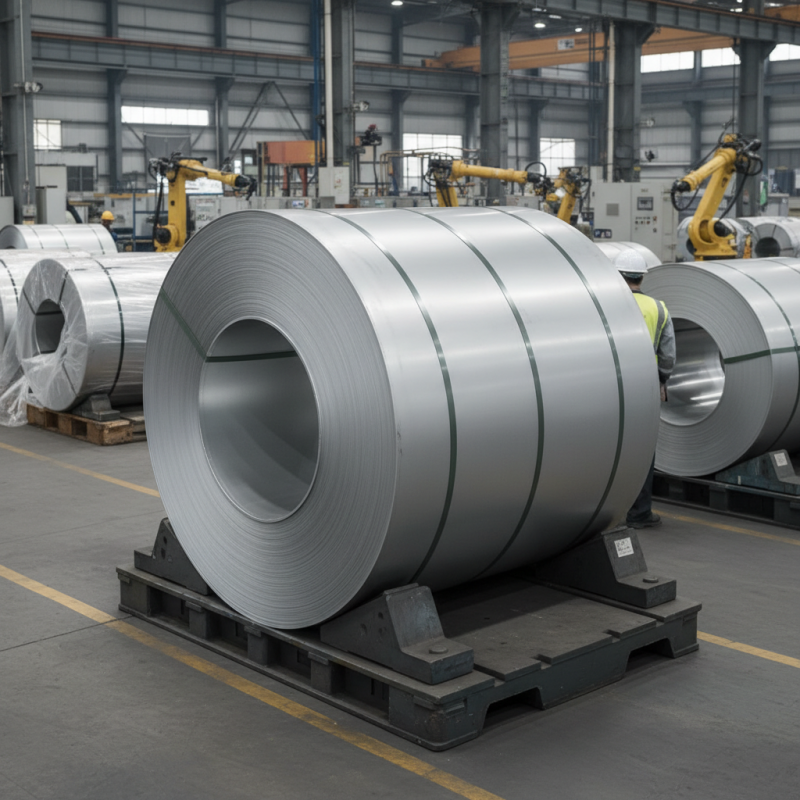
What is Cold Rolled Coil?
Cold rolled coil is a versatile material used in various industries. It starts as hot rolled steel, which is then cooled at room temperature. This process enhances its strength and surface finish. Cold rolled coil boasts a smooth and glossy appearance, making it desirable for applications requiring aesthetics.
The manufacturing process involves careful precision. After cooling, the steel is passed through rollers. These rollers shape the steel into coils of specific thickness. This method allows for tight tolerances in size. However, achieving the perfect balance of thickness can sometimes be challenging. Adjustments in the rolling process may lead to inconsistencies.
Cold rolled coils are widely used in the automotive industry, appliance manufacturing, and construction. Their strength makes them suitable for components like frames and body parts. The versatility also extends to furniture and decorative items. Nevertheless, not all applications may benefit from cold rolled steel. It's essential to assess each project's specific needs before deciding on this material.
The Process of Cold Rolling Steel
Cold rolled coil is a key material used in various industries. The process of cold rolling steel involves several steps aimed at achieving specific properties. Initially, steel billets are heated and then rolled at room temperature. This method enhances strength and surface finish. The malleability of the steel allows it to be transformed into thinner sheets.
During cold rolling, the steel thickness is reduced while its length increases. This process can produce a range of thicknesses for different applications. Edge quality is crucial. Poor edges can lead to limitations in usage. It’s essential to monitor roll gaps closely.
Tips: Always ensure the equipment is well-maintained. This can prevent defects. Regular checks on temperature are vital, too. Inconsistent temperatures can affect material properties. Cold rolled steel is widely used in manufacturing, construction, and automotive industries. It’s known for its excellent surface finish and dimensional tolerance. Yet, careful handling is necessary to avoid scratches or dents, which can compromise aesthetics and functionality.
Applications of Cold Rolled Coil in Industries
Cold rolled coil is a versatile material. It's produced by rolling steel at room temperature. This process enhances its strength and surface finish. As a result, it finds widespread use across various industries.
In the automotive sector, cold rolled coils are essential for manufacturing body panels. They provide durability and a smooth surface for painting. Additionally, home appliances often utilize these coils for their frameworks. Their resistance to corrosion makes them ideal for appliances exposed to moisture.
Construction also benefits from cold rolled coils. They are used in the production of steel framing and roofing. This usage reflects the demand for lightweight yet sturdy materials. However, industries sometimes overlook their recycling potential. Failing to recycle contributes to waste. Continuous reflection on material use is crucial for sustainability.
Advantages of Using Cold Rolled Coil
Cold rolled coil is a versatile material widely used across various industries. Its production involves passing steel through rollers at room temperature. This process enhances the material's strength and surface finish. Cold rolled coils are often thinner and more precise than hot rolled alternatives. This precision makes them suitable for applications requiring high quality.
The advantages of using cold rolled coil are significant. One major benefit is its improved surface quality. The smooth finish allows for better paint adhesion and surface treatments. Additionally, cold rolled coils offer greater dimensional accuracy. This is crucial for manufacturers that need specific measurements. Another advantage is the increased strength provided by the cold working process. However, this strength can also lead to challenges in forming. Overcoming this requires skilled techniques.
Using cold rolled coil can be cost-effective. However, it may result in higher production costs compared to other materials. The decision to use it should consider both these aspects. Many industries benefit from cold rolled coils, despite its imperfections. Finding the right balance between quality and cost is essential for success.
Difference Between Cold Rolled and Hot Rolled Steel
Cold rolled and hot rolled steel are two common forms of metal production. They both undergo different processing methods, resulting in unique properties. Cold rolled steel is processed at room temperature. This improves its strength and surface finish. In contrast, hot rolled steel is shaped and formed at high temperatures. This process results in a rough surface and less precise dimensions.
One key difference lies in applications. Cold rolled steel is often used in products requiring a smooth surface or tight tolerances. Common uses include automotive parts and electronics. Hot rolled steel is favored for larger, structural components like beams and frames. This difference affects the overall cost of production and choice in manufacturing.
Tips: When choosing between the two, consider the project requirements carefully. Think about strength and surface finish needs. Don’t overlook the cost difference. Sometimes, cold rolled can be pricier but may offer better performance. If unsure, consult with a professional for the best option.