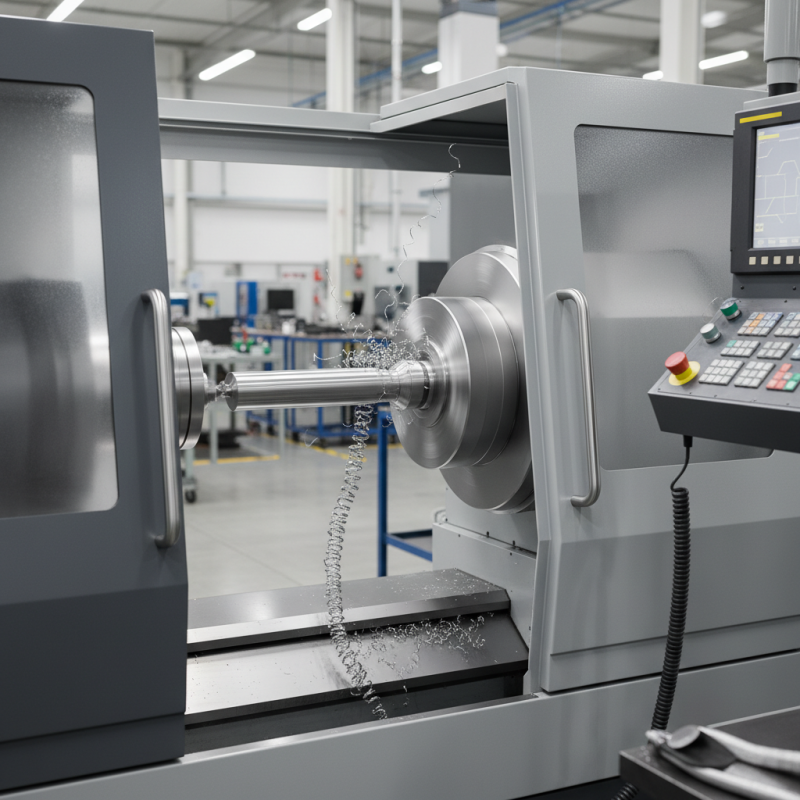
What is a Cnc Lathe Machine and How Does it Work?
A Cnc Lathe Machine is a powerful tool in modern manufacturing. It automates the process of shaping materials like metal and wood. The precision it offers is impressive. Parts produced can be intricate and exact. Operators program the machine to follow specific designs.
This technology has transformed industries by improving efficiency. Yet, not all designs come out perfectly. Miscalculations can lead to defects. Understanding the CNC lathe machine's workings is crucial for success.
Additionally, safety is a vital concern. Operators must learn to handle the machine properly. Training can minimize risks, but mistakes may still occur. Awareness of potential errors helps create a safer environment. Understanding both the capabilities and limitations of a CNC lathe machine is essential in today’s manufacturing landscape.
What is a CNC Lathe Machine?
A CNC lathe machine is an advanced tool used for machining metals and other materials. CNC stands for Computer Numerical Control. This technology allows for precise control of the lathe's movements. It produces unique shapes and designs with high accuracy. Operators can program specific tasks, ensuring that each piece is consistent.
The machine works by rotating the workpiece against a cutting tool. As the material spins, the tool cuts away excess parts. This creates the desired shape. Users can input various parameters into the machine. These include speed, depth, and feed rate. The flexibility of CNC lathes allows for intricate designs. However, mistakes can happen. Incorrect programming may lead to wasted materials.
In practice, it's crucial to monitor the machine during operation. Regular checks can prevent errors. Sometimes, operators may overlook minor details, impacting the final output. Continuous learning from these errors can improve future projects. Precision is essential in CNC machining, yet perfection can be elusive. The journey is as important as the destination.
What is a Cnc Lathe Machine and How Does it Work?
| Dimension | Description |
| Machine Type | CNC Lathe |
| Control System | Computer Numerical Control |
| Main Function | Turning and machining cylindrical parts |
| Common Materials | Metal, Plastic, Wood |
| Cutting Tools | Single-point cutting tools, Multi-point cutting tools |
| Typical Applications | Automotive parts, Aerospace components, Medical devices |
| Advantages | High precision, Repeatability, Flexibility in manufacturing |
| Common CNC Lathe Brands | Various brands available, not specific |
Key Components of a CNC Lathe Machine
CNC lathe machines play a vital role in modern manufacturing. They are designed to create precise cylindrical parts out of various materials. Understanding the key components is essential to grasp how they work effectively.
One major component is the spindle. This is the part that holds and rotates the workpiece. It must be durable to withstand high speed and torque. Another important element is the tool holder. It securely clamps cutting tools in place. This ensures they remain stable during the machining process. According to industry reports, the performance of these components directly affects productivity and accuracy.
Tips: Regular maintenance of the spindle can prevent wear and tear. Check the alignment of the tool holders frequently. This can enhance machining precision and reduce material waste.
The CNC control unit forms the brain of the lathe. It controls the movements of the spindle and the cutting tools. The accuracy of these movements is crucial. An error here can lead to defective products. Many operators overlook the calibration of the CNC system. This oversight can lead to costly errors in production, reflecting the need for constant vigilance. Quality assurance should never be compromised.
How CNC Lathe Machines Operate Step-by-Step
CNC lathe machines are remarkable tools in manufacturing. They automate the process of shaping materials like metal and plastic. The operation begins with selecting a program. This program guides the machine in cutting and shaping the material.
Next, the operator sets the workpiece in place. They secure it firmly using clamps or chucks. The machine then spins the workpiece at high speeds. A cutting tool moves along the material, shaving off layers. It’s crucial for the operator to monitor the process. Any mistake in programming can lead to waste or faulty parts.
As the lathe operates, the machine keeps a precise eye on measurements. It adjusts automatically when needed. But sometimes, human errors pop up. An operator might neglect to check the tool's sharpness, leading to poor finishes. Constant attention is important. The details matter in CNC lathe operation. Each cut impacts the final product's quality.
Applications and Advantages of CNC Lathe Machining
CNC lathe machining has a wide range of applications across various industries. These machines excel in producing cylindrical parts with high precision. Common uses include creating components for automotive, aerospace, and medical equipment. The ability to handle materials like metal, wood, and plastics offers versatility. This flexibility can drive innovation, but it also requires careful material selection.
One major advantage of CNC lathe machining is its efficiency. Automation allows for faster production times. This can lead to reduced operational costs over time. However, reliance on technology can raise concerns. Even minor programming errors can cause defects in the final product. Regular checks and maintenance are crucial to ensure quality.
Moreover, customization is another key benefit. CNC lathes can produce unique designs tailored to specific needs. This caters to industries demanding bespoke components. Yet, this capability may tempt some to overlook simplicity. Sometimes, simpler designs can yield better performance. Balancing complexity with functionality can be challenging but essential.
Maintenance and Troubleshooting for CNC Lathe Machines
Regular maintenance is crucial for CNC lathe machines. According to a report by the National Institute of Standards and Technology, proper upkeep can enhance machine lifespan by 30%. Operators should conduct daily checks on lubrication levels and coolant systems. This helps in preventing overheating and ensures effective cutting performance. A clean workspace also contributes to the longevity of equipment.
Troubleshooting can be challenging. Many technicians face issues like vibrations or unexpected tool wear. Data indicates that improper alignment accounts for nearly 20% of these failures. Regular alignment checks and recalibrations help mitigate these problems. However, many operators overlook these steps, which leads to diminished efficiency. Keeping detailed logs of machine performance can assist in identifying recurring issues. It fosters a culture of proactive maintenance, rather than reactive fixes.
CNC Lathe Machine Maintenance Frequency