Top Tips for Choosing Ultrafiltration Water Systems at Canton Fair?
Choosing the right Ultrafiltration Water System is crucial for ensuring clean and safe drinking water. At the upcoming Canton Fair in 2026, attendees will have an opportunity to explore cutting-edge technologies in water purification. With a focus on advanced manufacturing and electronic home appliances, many exhibitors will showcase innovative ultrafiltration systems. Buyers should be aware of the key features that make a system effective and efficient.
The fair will enhance the purchasing experience with AI-driven search functions. Prospective buyers can efficiently filter suppliers based on specific certifications like ISO and CE. This streamlining can save time and effort when locating a top-tier Ultrafiltration Water System. However, buyers should still do their due diligence. Not all systems meet the same standards. Understanding the technical specifications is essential to avoid pitfalls.
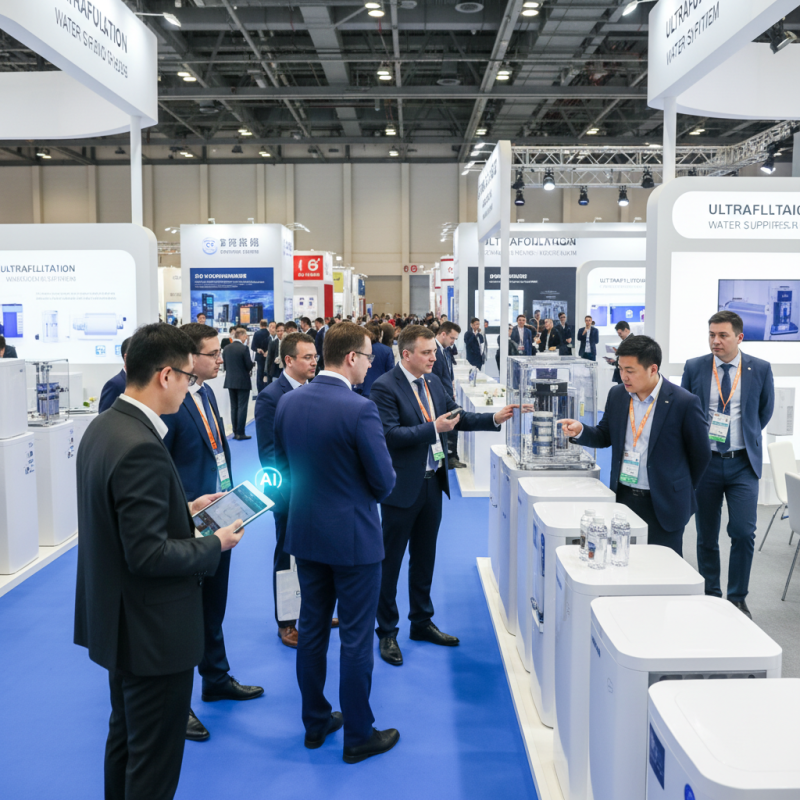
Navigating the vast 155,000 square meters of exhibition space presents its own challenges. A well-planned route could lead to discovering valuable options that improve water quality. Still, be prepared for potential frustrations. Not every system on display will be suitable, and some lack clear information. Keeping an open mind while asking the right questions will help ensure a successful selection process.
Understanding Ultrafiltration Water Systems and Their Benefits
Ultrafiltration water systems have gained popularity for their ability to effectively remove impurities. These systems work by using a membrane to separate particles based on size. Most viruses, bacteria, and larger particles are filtered out, leaving purified water behind. According to a recent industry report, ultrafiltration can eliminate up to 99.99% of contaminants, making it a sought-after choice for both households and industries.
Cost-effectiveness is another benefit. Research shows that ultrafiltration systems often have lower operational costs compared to traditional filtration methods. They require less energy and are relatively easy to maintain. However, not all systems are created equal. Some may struggle with specific contaminants, leading to less effective filtration. This underscores the importance of understanding each system’s capabilities thoroughly.
While ultrafiltration technology is promising, it’s not without challenges. Maintenance can be tricky, and membrane fouling can occur. This can affect performance and water quality over time. Buyers should consider these factors to make informed decisions. Engaging with manufacturers and requesting detailed data on system performance is crucial for optimal usage.
Key Features to Consider When Choosing Ultrafiltration Systems
When exploring ultrafiltration water systems at the Canton Fair, pay attention to key features. The filtration membrane's pore size matters greatly. Look for membranes with sizes around 0.01 microns. This can effectively remove bacteria, viruses, and other contaminants. The material of the membrane also impacts performance. Common materials include polysulfone and polyethersulfone. These options provide durability and efficiency.
Consider the system's flow rate as well. A higher flow rate means more efficient water processing. However, some systems may sacrifice quality for speed. Additionally, check the ease of maintenance. Frequent cleaning can be a hassle. Systems that require less maintenance might save time and effort in the long run.
Lastly, assess the overall design. Compact systems are great for smaller spaces. But some designs may need more space for installation. Evaluate if the system includes a user-friendly interface. Complex controls can lead to user errors. Reflect on how these aspects align with your specific needs. Finding the right balance is essential.
Top Tips for Choosing Ultrafiltration Water Systems
Evaluating Manufacturer Reputation and Product Certifications
When choosing an ultrafiltration water system, assessing manufacturer reputation is crucial. Look for companies with extensive experience in the field. A strong track record often indicates reliability. Review past customer feedback to gauge satisfaction. Look for patterns in reviews—positive or negative ones can tell you a lot. Don’t ignore complaints; they offer insight into potential issues.
Certifications are another essential aspect. Products should meet international safety and quality standards. Verify if the manufacturer holds recognized certifications. This shows adherence to regulated processes. However, not all certifications are equal. Research their validity and relevance in your market. Some products may claim certifications without proper backing. A lack of transparency can be a red flag.
Selecting a system without thorough evaluation can lead to regrets. Consider seeking advice from industry experts or professionals. They can help clarify doubts about products and manufacturers. Small details often matter. Ensure that the system not only fits your needs but also complies with your region's standards. Pay attention to warranty and support, too. These factors can significantly impact your long-term satisfaction.
Top Tips for Choosing Ultrafiltration Water Systems at Canton Fair
| Criteria | Key Considerations | Example Metrics |
| Manufacturer Reputation | Look for manufacturers with positive industry reviews and long-standing experience. | Years in Business: 10+, Customer Ratings: 4.5+/5 |
| Product Certifications | Check for relevant certifications such as NSF, CE, and ISO. | Certifications: NSF 61, ISO 9001, CE |
| Technical Support | Evaluate the availability of customer support and technical assistance. | Support Hours: 9 AM - 5 PM, Contact Options: Phone, Email |
| Product Range | Assess the variety of ultrafiltration systems offered to suit different needs. | Models: 5+, Flow Rates: 10-50 L/h |
| Warranty and Return Policy | A good warranty and return policy indicate confidence in product quality. | Warranty Period: 1-2 Years, Return Window: 30 Days |
Cost vs. Quality: Making Informed Investment Choices
When attending the Canton Fair and exploring ultrafiltration water systems, balancing cost and quality is critical. The systems vary widely in price, yet the cheapest option may not always deliver optimal results. A lower price might come with compromised filtration efficiency or durability, potentially leading to higher long-term expenses. Consider investing a bit more upfront for improved performance.
Evaluate key features of the water systems. Look for certifications confirming their quality. Systems with advanced filtration technology often yield better water quality. Researching the source and materials used can also reveal their reliability. Make an effort to read reviews and user experiences to gain insight into potential pitfalls.
As you assess your choices, reflect on your specific needs. Is the system meant for home use or industrial purposes? Understanding your requirements helps in making informed decisions. Don't rush. Take your time to weigh your options. Sometimes the best choice isn't apparent at first glance. Balancing quality and cost often requires patience and thorough research.
Tips for Comparing Different Ultrafiltration Systems at Trade Shows
When attending trade shows, comparing ultrafiltration water systems can be overwhelming. The market is expanding rapidly, with a projected CAGR of 8.5% through 2025. Focus on a few crucial aspects. Evaluate the filtration efficiency, measured in nanometers. Systems that filter out particles greater than 0.1 nm provide superior quality.
Check materials used in the construction. High-quality membranes ensure durability and performance. Polymeric membranes are common, but ceramic membranes offer better longevity. Look for certifications, such as NSF or FDA, that verify their safety and effectiveness.
Observe the ease of maintenance. Some systems require frequent cleaning or replacement of parts, which can increase costs. User reviews can provide insights into real-world functionality. Don't hesitate to ask vendors for demos. It’s crucial to see how the system performs in practice.