2026 How to Choose the Right Stainless Wire Mesh for Your Needs?
When selecting stainless wire mesh, the options can seem overwhelming. Various factors determine which type suits your needs. Understanding these factors is crucial for making the best choice.
Stainless wire mesh is widely used in industries. It is essential in filtration, security, and screening applications. Nevertheless, not all stainless wire meshes are created equal. Each type offers specific benefits. These benefits cater to different requirements.
Consider the material grades, mesh sizes, and wire diameters. These elements greatly impact the performance and durability of the mesh. Choosing the wrong type may lead to inefficiencies or even failures. It is important to reflect on your needs before deciding. Make sure the stainless wire mesh aligns with your project requirements for optimal results.
Understanding the Types of Stainless Steel Used in Wire Mesh Manufacturing
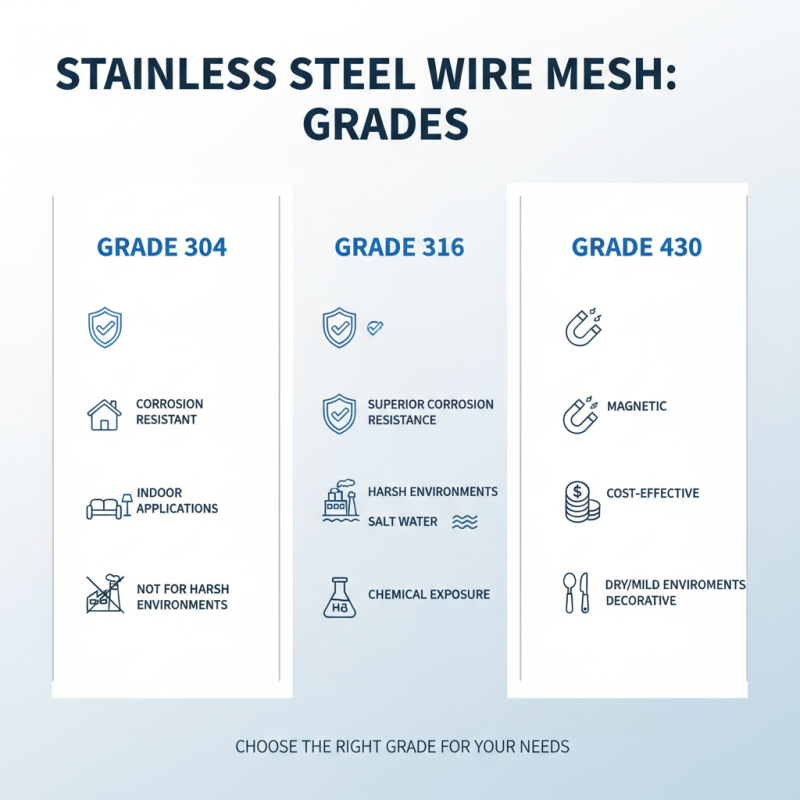
When choosing stainless wire mesh, understanding the types of stainless steel is crucial. There are primarily three grades: 304, 316, and 430. Grade 304 is popular for its versatility and corrosion resistance. It's ideal for indoor applications. However, it may not perform well in harsh environments.
Grade 316 is more suitable for marine and chemical applications. Its added molybdenum offers better protection against rust and pitting. If you need a budget option, grade 430 is a choice, but it's less resistant to corrosion. It’s suitable for low-stress applications.
Tip: Always consider the environment where the mesh will be used. Make a list of specific conditions. Will it be exposed to saltwater? High heat?
Knowing these factors can help refine your choice. Don't forget about wire diameter and mesh opening when making a decision. Each detail affects performance.
Tip: Measure your application space carefully. An incorrect size can lead to waste. Avoid hasty decisions, and keep your needs in mind. Take your time to choose wisely.
Key Specifications: Wire Diameter and Open Area Ratio Explained
When selecting stainless wire mesh, understanding wire diameter and open area ratio is crucial. Wire diameter affects strength and flexibility. Thicker wires provide more durability. However, they can also restrict airflow. A mesh with finer wires can allow better fluid flow but may lack the robustness needed for certain applications.
Open area ratio is equally important. It indicates how much open space is available for air or liquids to pass through. A higher ratio means more openness. This can be beneficial in applications like filtration. Yet, it also means less structural integrity. Finding the balance between strength and open area is essential.
Potential users often overlook these specifications. For example, a mesh with a high open area might seem ideal for filtering. Yet, if it tears easily, it becomes ineffective. Regular assessment of your specific needs is necessary. Mistakes can lead to costly replacements. Always consider both wire diameter and open area ratio before making a purchase decision.
2026 How to Choose the Right Stainless Wire Mesh for Your Needs?
This chart illustrates the key specifications for selecting the right stainless wire mesh: Wire Diameter and Open Area Ratio. The wire diameter is measured in millimeters and the open area ratio is represented in percentages, allowing users to visualize the differences and make informed choices based on their specific needs.
Analyzing Corrosion Resistance: Comparing Grades of Stainless Steel
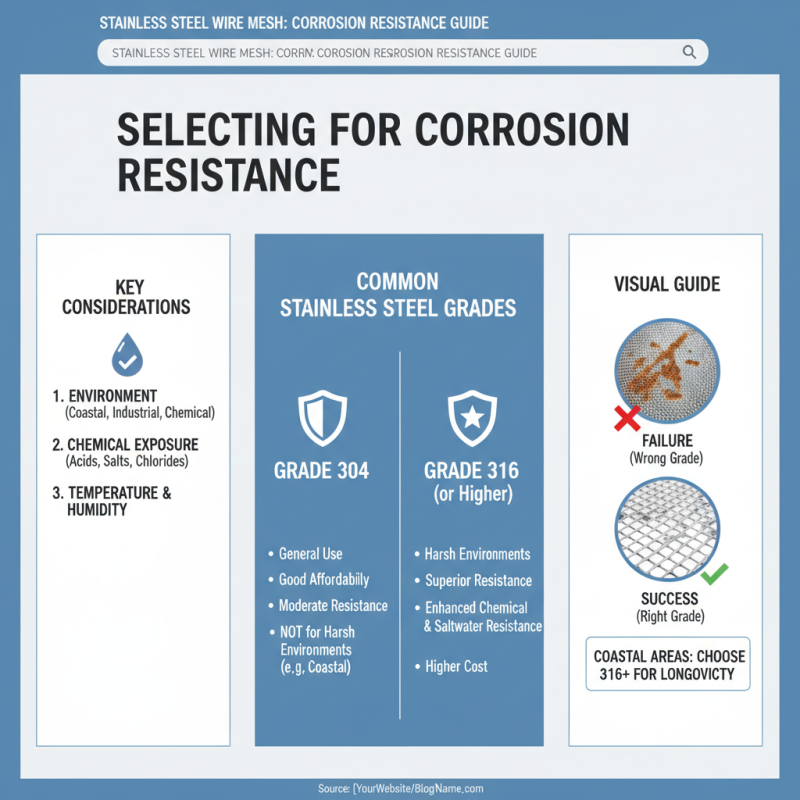
When selecting stainless wire mesh, corrosion resistance is a critical factor. Different grades of stainless steel offer varying levels of resistance to corrosion. Grade 304 is commonly used and relatively affordable, but it might not perform well in harsh environments. Consider where and how the mesh will be used. If you're in a coastal area, you may need a higher grade.
Grade 316 is often recommended for tougher conditions. It contains molybdenum, enhancing its resistance to corrosion from saltwater. However, it's more expensive. Striking a balance between cost and performance is essential. If you're on a budget, you might hesitate to invest in a premium grade. That could lead to issues down the line.
There are also lesser-known grades. Grade 430 is magnetic and has lower corrosion resistance. It can be suitable for indoor uses but may rust outdoors. Choosing the right mesh is not always straightforward. Understanding specific requirements is vital. It’s worth considering long-term value over initial savings, which may lead you to rethink decisions.
Applications of Stainless Wire Mesh Across Different Industries
Stainless wire mesh finds applications across various industries, from food processing to construction. In food processing, it ensures hygiene and safety. Mesh filters remove contaminants while allowing liquids to pass through. In the automotive sector, it aids in filtration systems. Standard sizes and configurations make it versatile.
Tip: Always consider the mesh opening size. Too large openings may allow undesired particles. Too small may restrict necessary flow. Balance is key.
In construction, stainless wire mesh provides structural support in concrete. It enhances strength and durability. However, improper selection can lead to structural issues. The wrong mesh type or spacing may affect the integrity of a project.
Tip: Evaluate the environmental conditions where the mesh will be used. Factors like humidity or exposure to chemicals matter. They directly influence material choice and longevity.
These considerations are essential for achieving optimal performance. The wrong mesh can lead to costly failures or inefficiencies. Always reassess your needs and industry requirements.
Choosing the Right Mesh Size for Specific Filtration and Screening Needs
Choosing the right mesh size is essential for effective filtration and screening. Different applications require different levels of precision. A fine mesh works well for small particles. It can capture dust or sand effectively. However, if you need to filter out larger debris, a coarser mesh is a better option.
Consider your specific needs carefully. If you're unsure which size you need, think about the material you're working with. Experimenting with various sizes can help. Sometimes, a too-small mesh can clog easily. This may lead to reduced flow rates. You might find yourself frustrated if the mesh doesn’t perform as expected.
Don't hesitate to seek feedback from others in your industry. Their experiences can guide you in the right direction. Mesh size choices can affect the overall efficiency of your process. Be open to making adjustments as needed. Sometimes, the perfect solution isn’t immediately clear. Balancing functionality and performance takes time and reflection.