How to Choose the Right Metal Screen for Your Project?
Choosing the right metal screen for your project can be challenging. Metal screens come in various types, finishes, and strengths. You may feel overwhelmed by the options available to you. Consider how each screen fits into your project’s unique needs. Factors like durability and aesthetics matter.
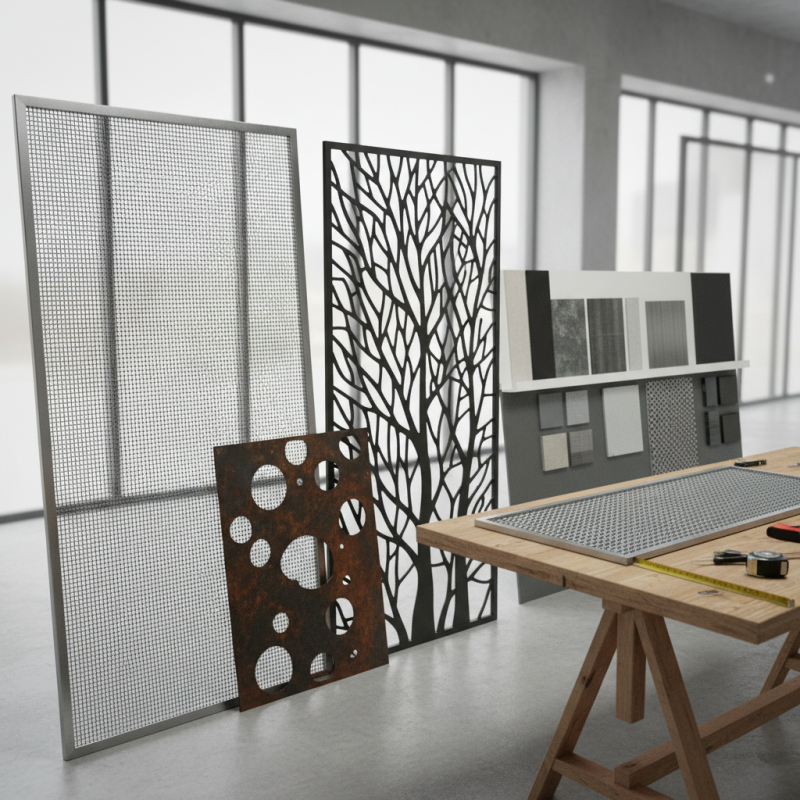
Metal screens can serve multiple purposes. They can provide security, privacy, or even decorative elements. Some screens are designed for high-traffic areas, while others may be more suited for low-impact spaces. Reflect on where and how you plan to use them. This will guide your decision.
In addition to functionality, think about the installation process. Some metal screens require professional help, while others can be a DIY project. There may be a learning curve involved. Be prepared for trial and error. Understanding your preferences and limitations is key to a wise choice. Your project deserves the right metal screen for success.
Types of Metal Screens and Their Applications
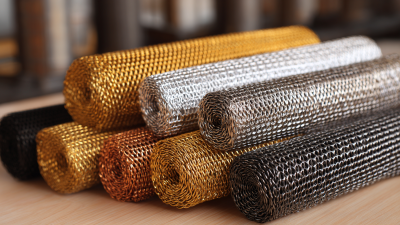
When choosing the right metal screen, understanding its types is essential. Common materials include aluminum, stainless steel, and brass. Each type offers unique benefits for various applications. For example, aluminum screens are lightweight and corrosion-resistant. They work well in indoor and outdoor settings, ensuring durability.
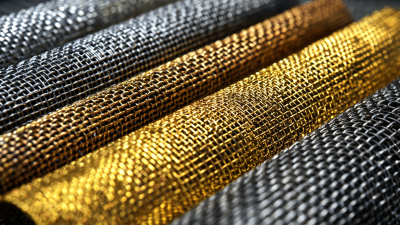
Stainless steel screens are stronger and more durable. They are ideal for industrial environments where heavy wear is common. These screens resist rust and are often chosen for security purposes. Brass screens add a touch of elegance but can be less durable in harsh conditions. Consider the aesthetic appeal and functionality when deciding.
It's crucial to reflect on the project’s specific needs. What will the screen be used for? Is it purely decorative, or does it need to be highly functional? Overlooking these questions might lead to poor choices. Each metal type serves a distinct purpose, and choosing the wrong one can be costly. Take the time to weigh options carefully, ensuring that you invest wisely in your project.
Factors to Consider When Choosing Metal Screens
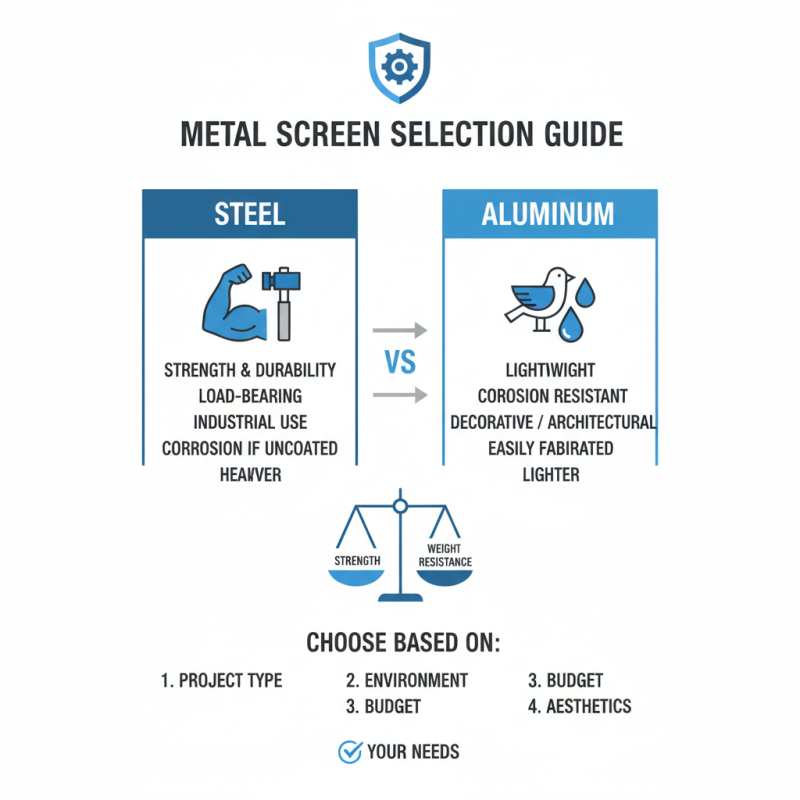
Choosing the right metal screen for your project involves several important factors. Consider the type of material. Steel offers strength, while aluminum boasts lightness and corrosion resistance. Each material has its own benefits. Look for what fits your needs best.
Next, think about the screen's purpose. Is it for aesthetic reasons or functionality? Decorative screens can add beauty, while protective screens can keep pests out. You may desire both, but striking the right balance can be challenging. Don't overlook sizing aspects. Measure your space carefully. A screen that is too large or too small can be a major headache.
Finally, evaluate the screen's finish. A smooth finish can enhance longevity, as can a special coating. Yet, some finishes can add costs. Reflect on your budget and long-term plans. Choosing a metal screen is not just a task; it’s a decision with lasting impacts. Keep these factors in mind, but trust your instincts too.
Evaluating Metal Screen Durability and Strength
When selecting a metal screen for your project, durability and strength should be top priorities. Various materials, like stainless steel or aluminum, offer different benefits. Stainless steel is known for its corrosion resistance. Aluminum, while lighter, may not withstand heavy impacts as effectively. Consider the specific environment where the screen will be used.
Tips: Test a sample first. This gives a real feel for the material’s strength. You might be surprised by its performance.
Another aspect to weigh is the thickness of the screen. Thicker screens generally provide better strength but can add weight. Think about how this impacts your project’s overall design. Some might overlook this, leading to challenges later on, like installation issues.
Tips: Look for user reviews on screen durability. Personal experiences can highlight strengths and weaknesses.
Additionally, consider the screen’s finish. A smooth finish may resist wear better than a rough one. Visual appeal matters, but it should not compromise functionality. Each detail plays a role in the longevity of your metal screen.
Understanding Coatings and Finishes for Metal Screens
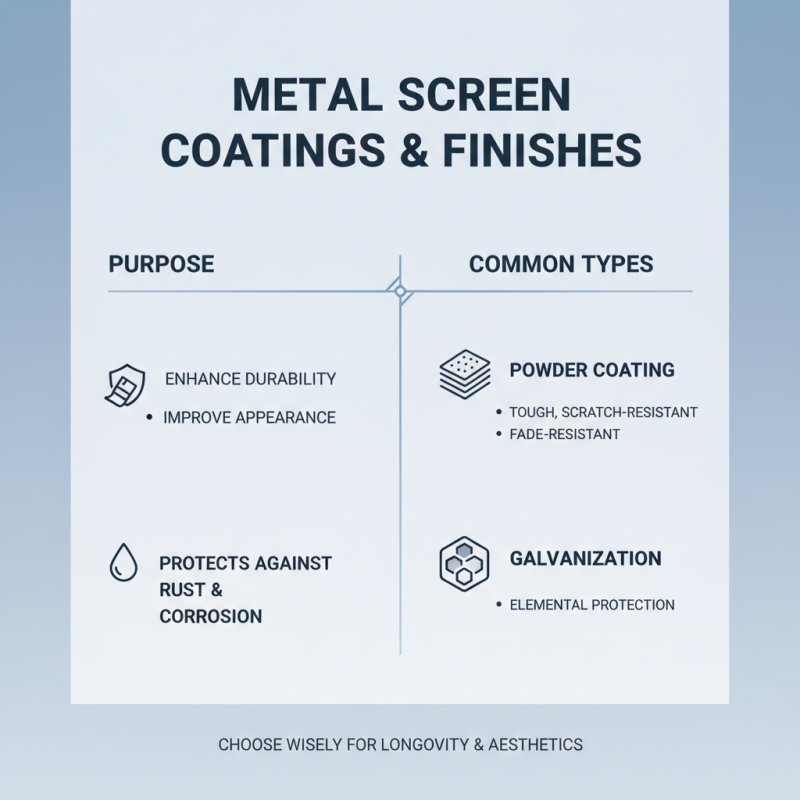
When selecting a metal screen, understanding coatings and finishes is vital. These elements enhance the screen's durability and appearance. Various coatings protect against rust and corrosion. For example, powder coating provides a tough layer. It's resistant to scratches and fading. Galvanization is another choice. It helps protect the metal from the elements.
Different finishes can also affect the final look of your screen. A brushed finish gives a modern feel, while a polished look can be more classic. These variations can impact how the screen blends into your project. However, be aware that some finishes require more maintenance. It’s essential to consider your environment. Will the finish hold up in high humidity? Will it withstand UV rays?
Choosing the right coating or finish can be tricky. Each option has pros and cons. Sometimes, a finish may not look as good in reality as it did in samples. It’s important to assess these factors before making a decision. Think about the long-term effects of your choice. Visual appeal is crucial, but performance matters too. Reflecting on these details can lead to a more successful project outcome.
Cost Considerations and Budgeting for Metal Screens
When planning a project involving metal screens, budgeting is crucial. The type of metal you choose greatly influences the cost. Stainless steel, for instance, can be more expensive than aluminum. But it offers better durability and resistance to corrosion. If you need a durable solution, the initial higher investment might pay off in the long run.
Consider the size and complexity of the project. Larger screens often require more material, affecting your budget. Custom designs might also increase costs. Think about whether standard sizes can meet your needs. This could save you money. However, customization might provide the exact look or function you desire. Weigh these options carefully, as cost-cutting here could lead to compromises in quality.
It's easy to overlook installation costs. Hiring professionals may seem expensive but can prevent costly mistakes. DIY installation might save money upfront but could lead to issues later. Miscalculations in measurements can result in extra expenses. Be mindful of these details, as they can impact your overall budget. Reflecting on your initial budget can help you make informed decisions during the project.
Cost Comparison of Different Metal Screen Types