How to Choose the Right Metal Mesh Screen for Your Needs?
Choosing the right metal mesh screen can significantly impact the effectiveness of your projects. John Smith, a metal mesh screen industry expert, once stated, "The right screen can make all the difference in performance and durability." Understanding the various types and applications of metal mesh is essential.
Metal mesh screens are used in diverse industries. They serve filtration needs, offer structural support, and enable ventilation. Consider factors like material, mesh size, and finish when selecting one. A poorly chosen screen may lead to inefficiency or early wear.
Different applications require different specifications. For instance, a screen for filtration in a food processing plant must meet hygiene standards. On the other hand, a screen used in construction must withstand heavy loads. It's crucial to reflect on how these details align with your project needs. Making an informed choice will ensure a long-lasting and effective outcome.
Understanding the Different Types of Metal Mesh Screens
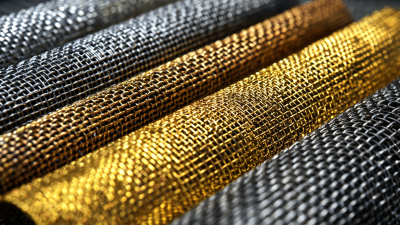
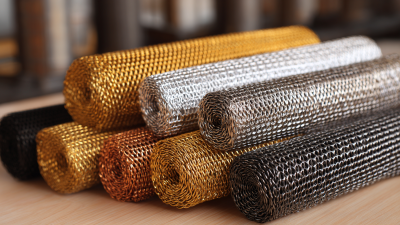
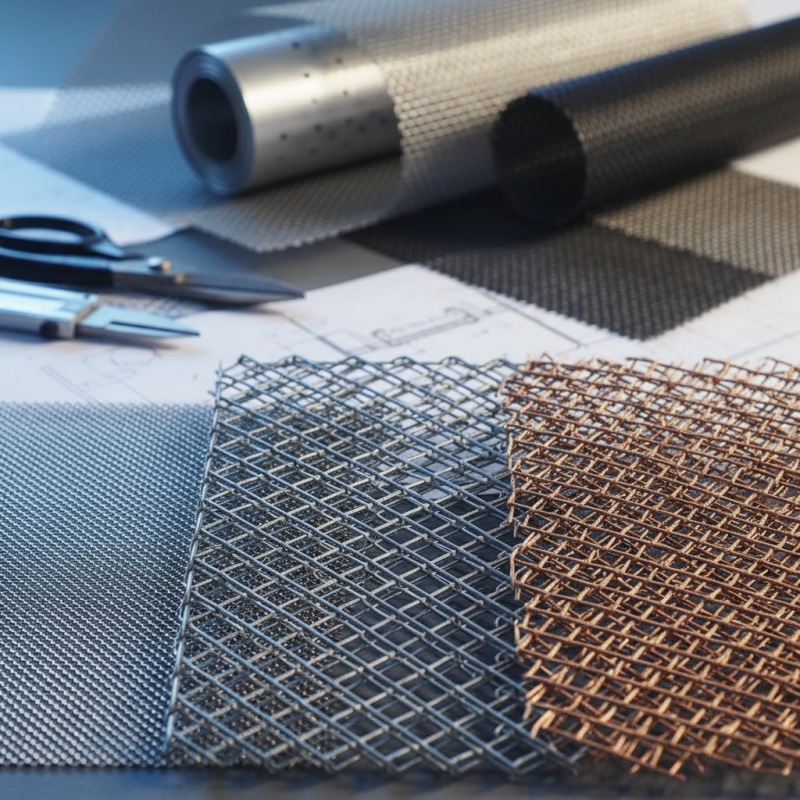
When selecting a metal mesh screen, understanding the various types is crucial. Different materials offer distinct properties. Stainless steel screens are popular for their strength and corrosion resistance. They provide durability in demanding environments. Aluminum is lighter and resistant to oxidation, making it ideal for lightweight applications.
Another key option is copper mesh. This type is excellent for conducting electricity and may be used in specialized applications. Woven screens, which feature interlaced wires, can filter out particles effectively. However, choosing the right weave depends on the specific needs of your project.
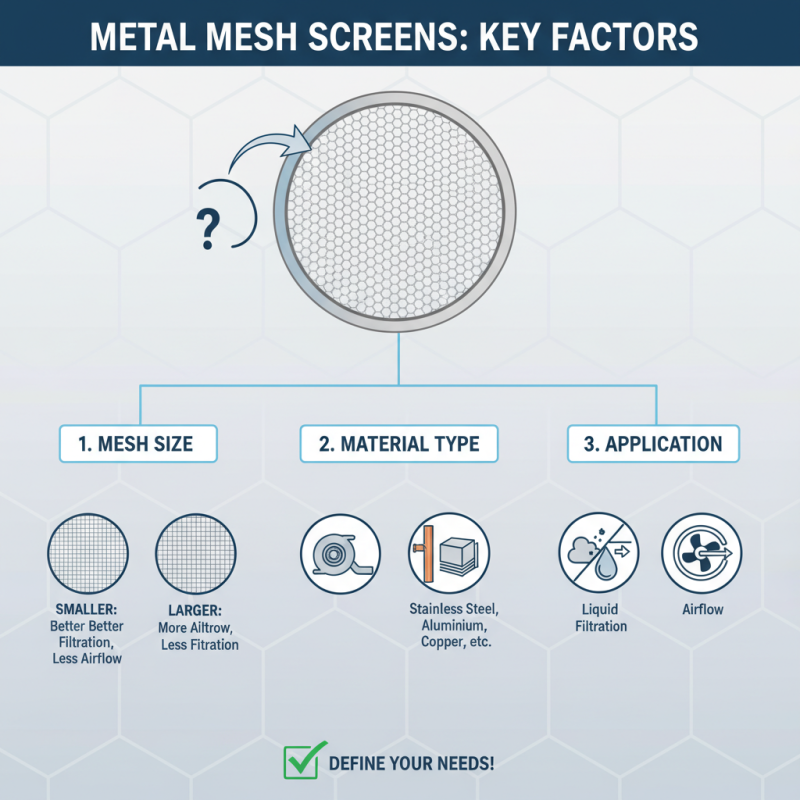
Consider your application carefully. A finer mesh may trap smaller particles but can also restrict airflow. While coarser screens allow better ventilation, they may not filter effectively. Each choice comes with trade-offs. It's essential to reflect on what compromises you are willing to accept for your particular situation.
Key Factors to Consider When Selecting Metal Mesh Screens
Choosing the right metal mesh screen starts with understanding your specific needs. There are several key factors to consider. First, the mesh size is crucial. Smaller openings offer better filtration but can restrict airflow. Larger openings allow for greater air movement, which might be necessary in some applications. Consider what you want to filter. Is it dust, debris, or something finer?
Next, think about material strength. Different metal types, like stainless steel or aluminum, offer varying durability. Stainless steel is generally more robust and resistant to corrosion. It may be the right choice for outdoor use. Aluminum, however, is lightweight and easier to handle. Each material has its own benefits, but selecting one often requires trade-offs.
Another aspect to reflect on is the screen's application environment. Will it be in a high-temperature area? If so, the material must withstand heat. You might also need to consider installation processes. Some screens are easy to install while others may require more effort. Weighing these factors can lead to a more effective choice. Remember, the perfect screen may not exist. Balancing your priorities and needs is key.
Evaluating the Mesh Size for Specific Applications
When selecting the right metal mesh screen, the mesh size is crucial. Different applications require specific mesh sizes for optimal effectiveness. For example, a smaller mesh size is ideal for filtering particulates in water treatment. It can capture fine particles while allowing liquid to pass through. Conversely, a larger mesh size might be more suitable for ventilation screens, where airflow is the priority.
Evaluating the mesh size involves understanding your specific needs. Consider the materials you intend to filter or separate. Are you dealing with large debris or fine dust? Each application has unique demands. Additionally, think about the environment. Is the mesh exposed to harsh chemicals or extreme temperatures? These factors can affect durability and functionality.
While there may be a one-size-fits-all approach in some scenarios, every application is different. A common mistake is underestimating the importance of accurate mesh size. Testing different options can provide clarity. Observing how each mesh performs in real-world situations is invaluable. Keeping an open mind and being ready to adjust your choice can lead to better outcomes.
How to Choose the Right Metal Mesh Screen for Your Needs?
This chart evaluates different mesh sizes and their common applications in various industries, showcasing how specific mesh sizes cater to distinct requirements.
Assessing Material Properties for Durability and Performance
When selecting the right metal mesh screen, assessing material properties is crucial. Different metals possess unique strengths. For instance, stainless steel offers durability and corrosion resistance, making it ideal for harsh environments. Aluminum is lightweight, but it may not withstand heavy impacts. These factors impact performance significantly.
Consider the specific application for your screen. Will it be exposed to chemicals or moisture? For outdoor use, galvanized steel provides great resistance against rust. Think about the mesh's weave pattern. Tight weaves can filter fine particles effectively. However, they may obstruct airflow. Finding the balance between filtration and airflow is essential.
Finally, always evaluate your environment. High temperatures can weaken some materials. If the mesh is in a high-stress area, it may require a sturdier option. It’s easy to overlook these factors in a rush. Keep in mind that your choice may need adjustments over time. Reflection on the material's performance will guide future decisions.
Determining Cost vs. Benefit for Your Metal Mesh Screen Choice
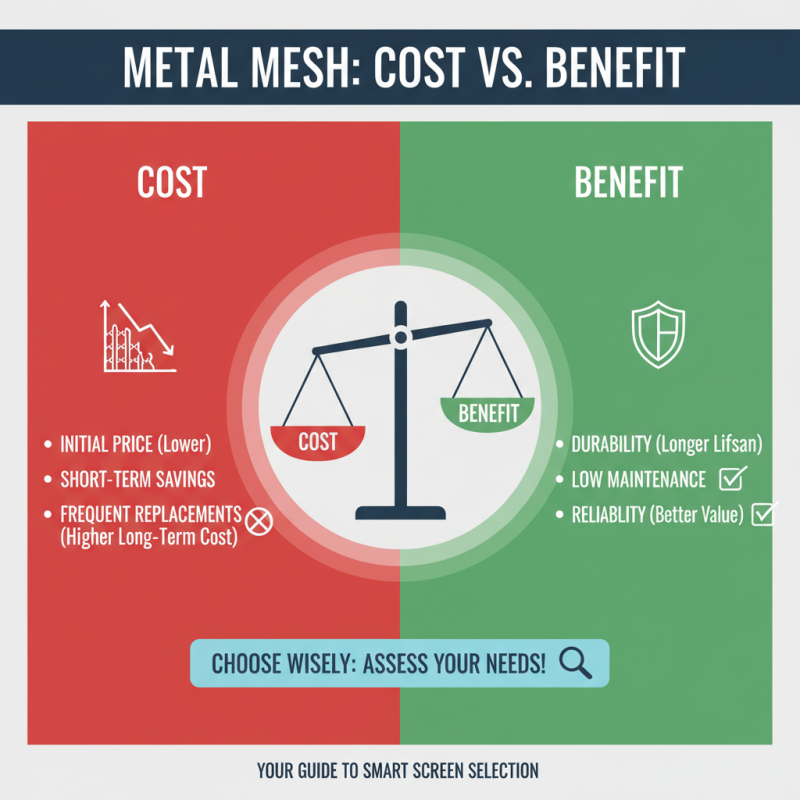
Choosing the right metal mesh screen involves balancing cost and benefit. It’s essential to assess your specific needs before making a decision. The initial price may be tempting, but consider the long-term value. A cheaper option might not withstand the test of time, leading to higher replacement costs.
Tips: Focus on the material type, as it affects durability. Stainless steel offers strength, while aluminum is lightweight. Assess the mesh size according to its intended use. Finer meshes provide better filtration but could come at a higher cost. Ensure the screen meets your requirements without overspending.
Reflect on the purpose of your screen. Will it be for ventilation, security, or filtration? Each function requires different specifications. If unsure, consult a professional for guidance. Investing in quality can boost efficiency and longevity. Balancing these factors can lead to a wiser investment.