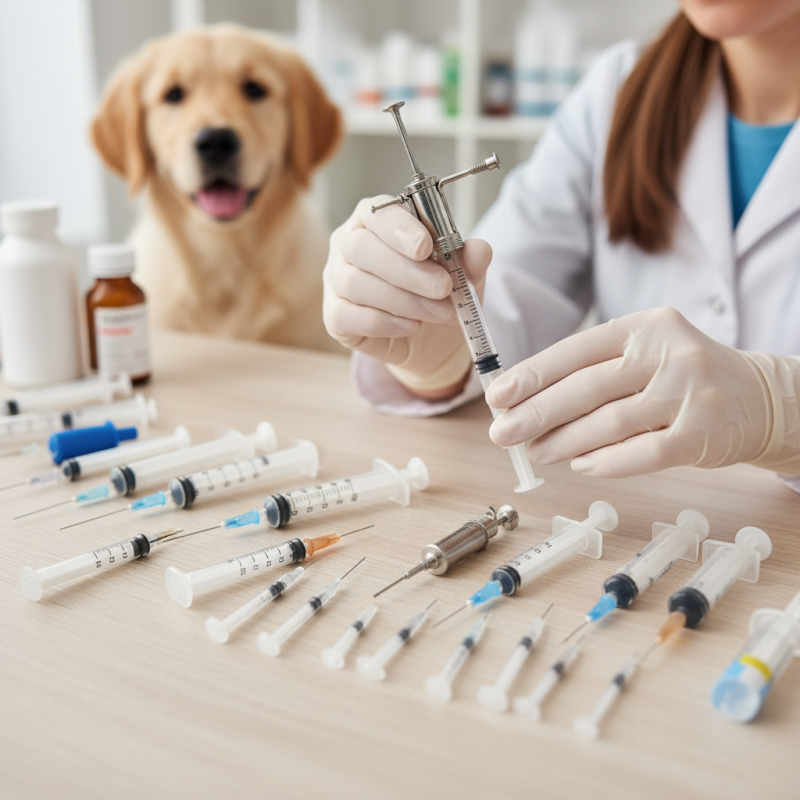
2026 How to Choose the Best Animal Syringes for Your Needs?
Choosing the right Animal Syringes can be challenging. With various types available, making an informed decision is crucial. Dr. Emily Carter, a veterinarian with over a decade of experience, emphasizes, “The right syringe can make all the difference in animal care.”
When selecting animal syringes, consider their purpose. Different animals require different syringe types. For instance, a small pet may need a smaller gauge than a horse. Think about the materials too. Some syringes are disposable, while others can be reused. This choice often affects hygiene and cost.
It's also worth noting that not all syringes will fit with every medication. Inconsistent measurements can lead to errors in dosing. Reflect on the reliability of each syringe you consider. Sometimes, cheaper options may result in wasted time and efforts. Finding the best animal syringes involves careful consideration of these details.
How to Assess the Size and Type of Syringe Needed for Different Animals
When choosing syringes for different animals, size and type are crucial. A small syringe may work for a cat but not for a large dog. It is essential to assess the animal's size first. The syringe should deliver the right dosage efficiently.
Different types of syringes cater to various needs. For instance, a luer-lock syringe prevents accidental disconnection. This is vital for accurate medication delivery. Other options include oral syringes, which help in administering liquid medicine to pets.
Tips: Always refer to a vet for guidance on syringe sizes. They can provide insights into suitable types for specific animals. Be mindful of your pet's comfort; a too-large syringe can be intimidating. Review your technique regularly to improve your approach.
Understanding the Importance of Needle Gauge Selection in Animal Syringes
Selecting the right needle gauge for animal syringes is crucial for effective treatment. A study in the Journal of Veterinary Medicine indicates that the needle gauge can significantly affect injection outcomes. For example, a finer gauge needle may reduce tissue trauma, particularly in small animals. Yet, it may also slow the administration of thicker medications. This can lead to increased stress for both the animal and the handler.
Needle gauges range from 18 to 30, with lower numbers representing thicker needles. A survey revealed that 70% of veterinary professionals prefer using a 22-gauge needle for most small animal injections. This gauge balances comfort and efficiency. However, this hit-or-miss approach could lead to complications with certain drugs. For instance, viscous solutions often require a larger gauge, while delicate procedures might benefit from finer needles.
Veterinary staff must continually evaluate their needle choices based on the specific circumstances of each animal. In some cases, using a larger gauge is unavoidable, yet can sometimes seem daunting. The learning curve is steep. Many veterans reflect on their needle selections, wishing they had better guidelines or practices. This self-reflection is essential in improving veterinary care.
Evaluating Syringe Materials: Glass vs. Plastic in Veterinary Use
When it comes to veterinary syringes, the choice between glass and plastic materials is significant. Glass syringes are durable and easy to sterilize. They do not hold residual chemicals, offering higher reliability for sensitive animals. However, glass can break, posing a safety risk. Plastic syringes are lightweight and disposable, reducing contamination risk. Yet, they may leach chemicals over time, which could affect the substances administered.
Choosing the right material involves weighing the animal's needs and the procedure's requirements. For long-term treatments, glass may be preferable. For single-use scenarios, plastic is often adequate. Consider the environment: glass contributes to waste if not recycled properly. Make sure to check for compatibility with the medication you intend to use.
**Tips:** Always inspect syringes before use. Look for cracks or any signs of wear. Test the fit with the needle to ensure a secure connection. Avoid using syringes that have been previously exposed to harsh chemicals or cleaning agents. Creating a checklist for syringe selection can also streamline the process.
2026 How to Choose the Best Animal Syringes for Your Needs?
| Syringe Type | Material | Pros | Cons | Best Use Cases |
| Standard Syringe | Plastic | Lightweight, Disposable | Less durable than glass | Vaccinations, General Use |
| Luer Lock Syringe | Plastic | Secure connection, Easy to use | Single use only | Administering injections with needles |
| Glass Syringe | Glass | Durable, Washable | Heavy, Requires sterilization | Research and Professional Vet Use |
| Insulin Syringe | Plastic | Fine gauge, Easy to use | Single use only | Administering insulin to diabetic animals |
| Oral Syringe | Plastic | Easy to administer liquid medications | Less effective for precise dosing | Delivering liquid medications |
Analyzing Ergonomics: Features for Ease of Use in Animal Injection
Choosing the right animal syringes requires a focus on ergonomics. The design significantly impacts ease of use. A report from the Veterinary Practice Journal indicates that nearly 70% of veterinary professionals prefer ergonomic syringes. The shape and grip affect the precision of injections. If syringes are uncomfortable, they can result in stress, both for the handler and the animal.
Features like textured grips and lightweight materials contribute to better handling. According to a study published in the Journal of Veterinary Medicine, ergonomic designs can reduce injection errors by over 30%. This is crucial, especially in high-stress situations. Efficiency matters. When a syringe slips in hand, the risk of injury rises.
However, not all ergonomic designs are perfect. Some may not fit every hand size. That means a one-size-fits-all approach could lead to discomfort. Inconsistent pressure can also be an issue. Finding the right balance is essential. Some syringes may require practice to master, leaving users frustrated. Choosing wisely and testing various options is key.
Animal Syringes Ergonomic Features Comparison
This bar chart illustrates the ergonomic features of animal syringes based on user ratings. Each feature is evaluated on a scale from 1 to 10, highlighting the importance of comfort grip and easy reading dose for an optimal injection experience.
Cost-Effectiveness: Budgeting for Quality Animal Syringes and Supplies
When budgeting for animal syringes, understanding quality and cost-effectiveness is essential. According to a recent industry report, approximately 35% of veterinary practices face challenges with syringe quality affecting their work. Choosing high-quality syringes can lead to improved accuracy and safety during injections. A low-quality syringe might save money initially but could cause complications later, ultimately driving up costs.
Investing in reliable syringes can also enhance the overall treatment outcome. Studies show that facilities using dependable syringes report a 40% lower incidence of complications during procedures. This indicates that while the upfront cost may be higher, the long-term savings and benefits outweigh initial investments. Consulting with veterinary professionals can help identify which syringes align with specific needs and budgets.
While saving money is essential, sacrificing quality may harm animal health. Many veterinarians recommend investing in syringes made from durable materials to ensure reliability. Budget constraints shouldn't lead to poor choices. Balancing cost and quality ensures that your animal health practices maintain high standards. It's a journey of continuous evaluation, reflecting on past purchases while aiming for better decisions moving forward.