How to Choose Solar Branch Connectors at the 2026 Canton Fair?
Attending the 2026 Canton Fair offers a unique opportunity for businesses to explore solar technology, especially in the realm of Solar Branch Connectors. These connectors play a crucial role in ensuring the efficiency and reliability of solar systems. With over 1.55 million square meters of exhibition space, selecting the right suppliers becomes vital for success.
The introduction of AI capabilities at the fair will assist buyers in finding manufacturers that meet specific certifications, such as ISO and CE. This tool can streamline the decision-making process significantly. Yet, despite the advancements, some may feel overwhelmed by the vast number of options available. Understanding technical details and supplier backgrounds remains essential.
Navigating the booths may feel daunting. Solar Branch Connectors come in various types and specifications. Many may not realize the impact of choosing the wrong connector. Engaging with suppliers to clarify product qualities involves time and effort. Buyers need to reflect on their specific requirements and challenges. After all, the right connection can lead to greater solar efficiency and long-term satisfaction.
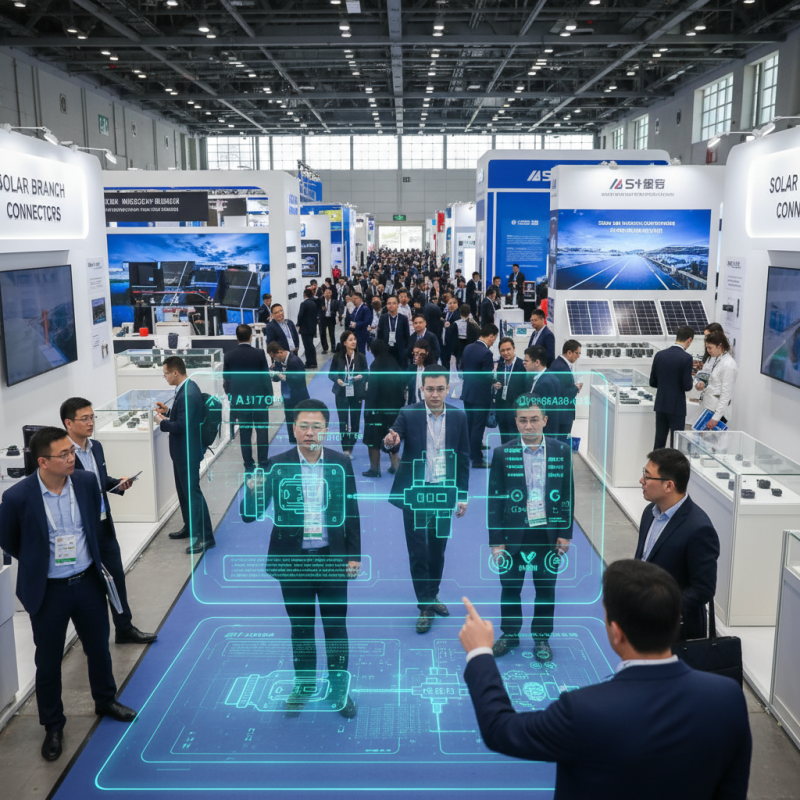
Factors to Consider When Selecting Solar Branch Connectors
When selecting solar branch connectors at the 2026 Canton Fair, several factors stand out. First, the material quality is crucial. Connectors made from durable, UV-resistant materials ensure longevity in outdoor settings. A report by the International Renewable Energy Agency (IRENA) noted that high-quality materials can extend the lifespan of solar components by up to 15%.
Compatibility is another key consideration. Not all connectors fit every solar module or string inverter. It's vital to check the specifications of the panels and inverters being used. According to recent studies, mismatched connectors can lead to a decrease in system efficiency by at least 5%. This reflects the importance of understanding system requirements before making a choice.
Lastly, pay attention to environmental ratings. Connectors with high IP ratings can withstand harsh conditions. A connector with an IP67 rating, for example, is designed to resist dust and water immersion. Neglecting this can result in frequent replacements. The array of options can be overwhelming, so taking the time to analyze these factors is crucial for a successful solar installation.
Types of Solar Branch Connectors Available at the Canton Fair
When attending the 2026 Canton Fair, choosing the right solar branch connectors is crucial. Various types will be showcased, serving different needs in renewable energy systems. Common options include T-connectors, Y-connectors, and multi-branch connectors. Each type serves distinct purposes, such as optimizing space or enhancing energy output.
T-connectors are popular for parallel connections. They allow multiple solar panels to connect efficiently. Y-connectors facilitate easier installation in limited spaces. Multi-branch connectors can link several panels at once, maximizing energy collection. Knowing the differences can help choose the best fit for your project.
Tips: Look at the connectors' material. High-quality, weather-resistant materials ensure durability. Check certifications and compatibility with your solar panels. Uncertified connectors may cause energy loss or system failure. Always prioritize quality over cost.
Keep in mind that not every connector will work seamlessly. Some connectors could create resistance, diminishing performance. Testing and verifying compatibility can feel tedious, yet it is essential. Skipping this step often leads to bigger problems down the line, impacting efficiency and overall energy output.
Types of Solar Branch Connectors Available at the 2026 Canton Fair
This bar chart illustrates the different types of solar branch connectors that are typically showcased at the Canton Fair. Each type represents a category common in solar energy solutions.
Key Features to Look for in Solar Branch Connectors
When exploring solar branch connectors at the 2026 Canton Fair, focus on key features. Reliable connectors ensure efficient solar panel performance. Look for durable materials that resist environmental damage. They should withstand extreme temperatures and harsh weather.
Another important aspect is the connector's compatibility. Various solar systems use different connector types. Ensure your choice fits your specific panels. Check for easy installation. Simple design makes the process smoother, especially for large projects.
While lightweight connectors are often easy to handle, verify their strength. Some may lack sturdiness, leading to issues. Reflect on your needs and the connectors’ ratings. Seek products that meet safety and longevity standards. Consider working with industry experts for additional insights. This can help avoid costly mistakes.
Importance of Quality and Compliance in Solar Connector Selection
Choosing the right solar branch connectors at the 2026 Canton Fair is crucial. Quality and compliance play a significant role in ensuring system efficiency and safety. Data from the International Renewable Energy Agency suggests that substandard connectors can reduce energy output by 10-15%. This loss is not negligible.
Many suppliers may overlook compliance with international standards while prioritizing cost. However, connectors adhering to standards like IEC 62852 can ensure durability and reliability. A study indicates that non-compliant connectors face a higher failure rate, with up to 20% reported issues in field tests. Selecting high-quality materials is non-negotiable, even if they are more expensive.
Installation methods also matter. Poor installation can lead to premature failures, regardless of connector quality. Inspecting connector compatibility with the specific solar module and wiring is essential. Many users often skip this vital step, leading to inefficiencies. Decision-makers should weigh initial costs against long-term performance and reliability. Investing in compliant products may seem daunting, but the long-term benefits outweigh the risks.
Cost vs. Performance: Making the Right Choice for Solar Connectors
When choosing solar branch connectors, cost and performance play crucial roles. Many buyers focus solely on price, thinking it’s the best option. However, cheaper connectors might lead to long-term problems. Poor performance can increase energy loss. It's essential to strike a balance between cost and reliability.
Performance indicators include current rating and temperature tolerance. Connectors should withstand different weather conditions. Look for those with durable materials that resist corrosion. A connector might seem affordable but could fail during extreme heat. This oversight could affect the entire solar system’s efficiency.
Additionally, never underestimate the importance of certifications. Connectors should meet safety and quality standards. Some products might appear appealing but lack necessary approvals. This can lead to dangerous situations. Evaluate how much you're willing to invest in quality. A small upfront cost may save you larger expenses in the future. Consider the total life cycle of the product. Reflect on whether short-term savings truly outweigh possible performance issues.