How to Choose the Right Wire Cable for Your Electrical Projects?
Choosing the right wire cable for electrical projects can be daunting. Many options exist, each with unique specifications. According to industry expert John Smith, "The choice of wire cable can make or break your project."
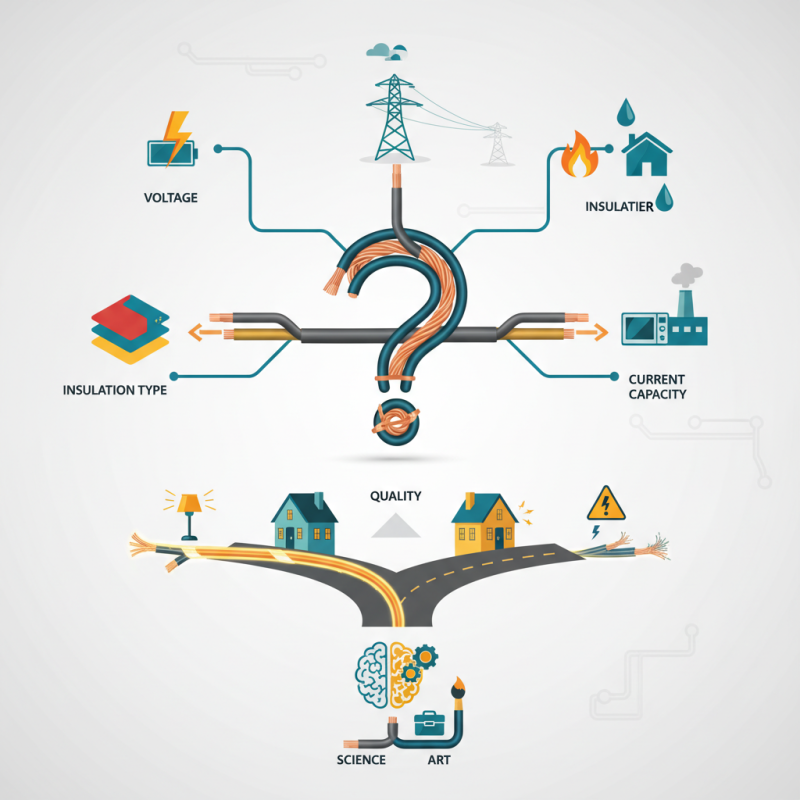
Understanding the project requirements is crucial. Factors like voltage, insulation type, and current capacity play vital roles. Wire cables exhibit different characteristics based on these factors. A wrong choice can lead to failures or hazards.
Moreover, not all wires are created equal. Quality can vary significantly between manufacturers. Sometimes, cheaper options lead to long-term problems. Reflecting on past projects reveals mistakes. Learning from these experiences is essential for improvement. Selecting the right wire cable is both an art and a science.
Understanding the Basics of Wire Cable Types and Specs
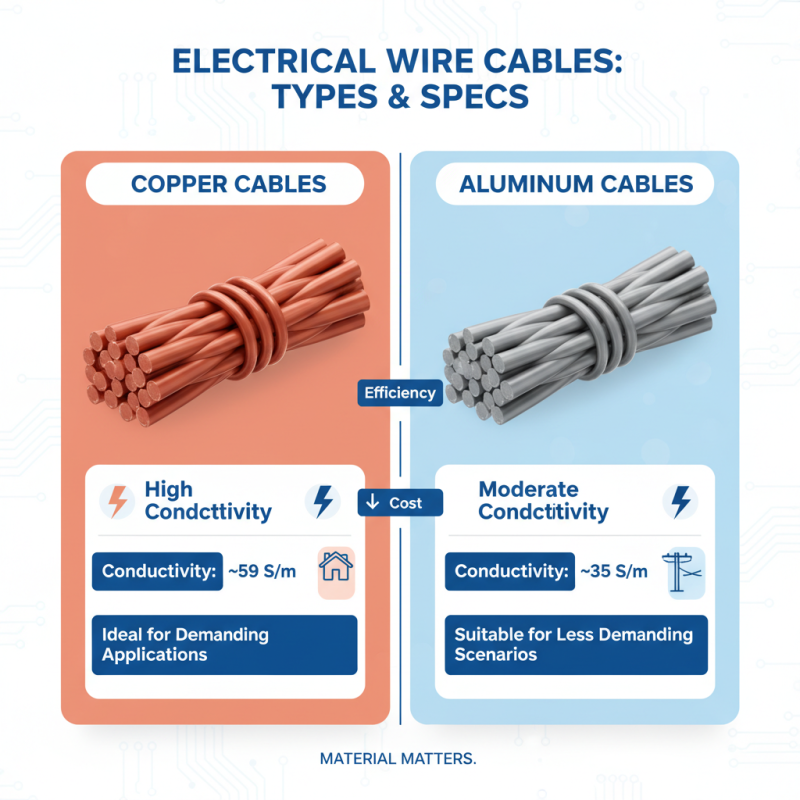
When embarking on electrical projects, understanding wire cable types and specifications is crucial. Wire cables come in various materials, sizes, and configurations. Copper and aluminum are the most common materials used due to their conductivity. For instance, copper boasts a conductivity rating of about 59 S/m, making it highly efficient for electrical applications. Conversely, aluminum has a conductivity rating of around 35 S/m, which can work in less demanding scenarios.
Choosing the correct gauge is essential. The American Wire Gauge (AWG) system helps determine the wire's current-carrying capacity. For example, a 12 AWG wire can typically handle up to 20 amps, while a 14 AWG wire supports about 15 amps. It’s vital to match your wire gauge with your project requirements to avoid overheating and potential hazards.
**Tips:**
1. Always consider wire insulation types. THHN and THWN offer different benefits for various environments.
2. Assess your project's voltage drop. Ideally, it should remain below 3% for optimal performance.
3. Reflect on your wire length. Longer distances often require thicker wires to maintain efficiency.
Ensure to consult industry reports when in doubt. They can offer insights into safe practices and recent developments in wire technology. Misjudgments can lead to costly mistakes. Prioritize the right choice for safety and efficiency.
Identifying Your Project's Voltage and Current Requirements
When embarking on an electrical project, it’s crucial to know the voltage and current requirements. Every wire cable type has specifications that determine its capability. For instance, a standard household project may require wires that can handle up to 120 volts. Yet, larger projects can demand much higher specifications. Without identifying these needs, the wrong cable can lead to overheating or even short circuits.
Measuring current capacity is equally important. Amperage determines the wire size needed for your project. Using wires that aren't rated for the current can be dangerous. A common mistake is underestimating the potential load. If you plan to run multiple devices simultaneously, inspect their combined amp ratings. Ignoring this can lead to serious repercussions down the line. Visualizing your entire setup before choosing a cable can save headaches later. Wouldn’t it be better to take a moment to reflect on your power needs?
Selecting the Appropriate Wire Gauge for Your Needs
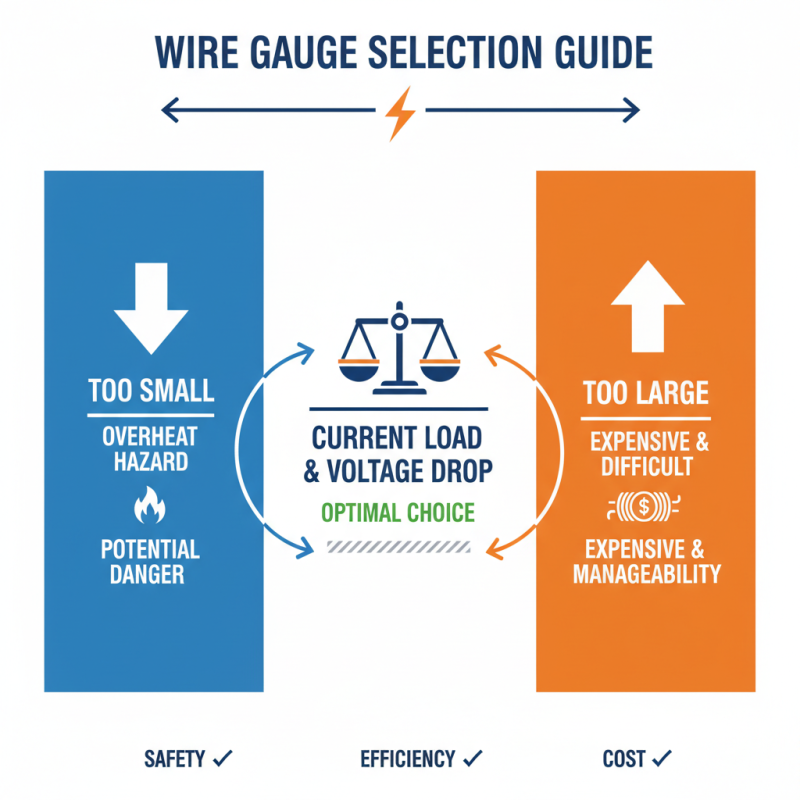
Choosing the right wire gauge for your electrical projects can be daunting. It’s essential to consider the current load and voltage drop. Too small a gauge may overheat, causing potential hazards. Conversely, a too-large gauge can be more expensive and difficult to manage.
Wire gauge is measured in AWG (American Wire Gauge). A lower number means a thicker wire, which can carry more current. For example, 12-gauge wire is thicker than 14-gauge wire. If you are running power to a heavy load, like an air conditioner, consider using 10-gauge wire. You want to match the wire size with the specific requirement of your project.
Additionally, it’s crucial to check local electrical codes and safety standards. These often dictate certain wire sizes based on the application. You might feel tempted to cut corners to save money, but that can lead to bigger issues. Getting the right gauge right from the start can eliminate future headaches. Reflecting on these details can lead to better outcomes in your electrical projects.
Evaluating Insulation Materials for Safety and Durability
When selecting wire cable for your electrical projects, the insulation material plays a crucial role. Insulation protects against electrical shocks, short circuits, and other hazards. Common materials include PVC, rubber, and Teflon. Each type has its pros and cons. PVC is durable and cost-effective. Rubber offers flexibility but may degrade over time. Teflon handles high temperatures well but can be expensive.
Choosing the right insulation depends on your project's specific needs. Consider the environment and the electrical load. For instance, outdoor applications may require UV-resistant insulation. If the installation is in a high-temperature area, Teflon might be your best bet. Always double-check the ratings and specifications; misjudging these can lead to safety risks.
Many overlook the importance of insulation testing. This can provide insights into degradation or defects. Ignoring this step could result in project failure. While it's tempting to skip details for expedience, taking the time to evaluate your materials thoroughly can save a lot of trouble later on. Don't rush; reflect on your choices carefully.
How to Choose the Right Wire Cable for Your Electrical Projects? - Evaluating Insulation Materials for Safety and Durability
| Insulation Material |
Temperature Rating (°C) |
Voltage Rating (V) |
Durability (Years) |
Applications |
| PVC (Polyvinyl Chloride) |
70 |
600 |
10-15 |
General wiring, indoor use |
| XLPE (Cross-Linked Polyethylene) |
90 |
1000 |
20-30 |
Heavy duty applications, outdoor use |
| Teflon (PTFE) |
260 |
600 |
15-25 |
High temperature applications, aerospace |
| Rubber |
80 |
600 |
10-20 |
Flexible applications, industrial use |
| Silicone |
180 |
600 |
15-25 |
High flexibility, extreme conditions |
Considering Environmental Factors and Installation Conditions
When selecting wire cable, environmental factors play a key role. Temperature extremes can impact cable performance. For example, cables exposed to high heat may degrade faster. According to industry reports, cables in shaded areas perform better. Standard outdoor cables can handle temperatures from -40°C to 90°C.
Humidity is another concern. Cables in damp environments should be rated for moisture resistance. A survey from the Electrical Safety Foundation shows that over 30% of cable failures occur due to water ingress. Proper insulation helps mitigate this risk, but not all cables are created equal.
Installation conditions also matter. Cable routing is crucial. Cables that bend sharply can suffer damage. Some experts suggest a minimum bend radius of eight times the cable's diameter. This reduces stress on the insulation. Regular checks during installation can help identify potential issues before they escalate.
Remember, even small oversights can lead to significant safety risks.