How to Choose the Best Film Faced Plywood for Your Project?
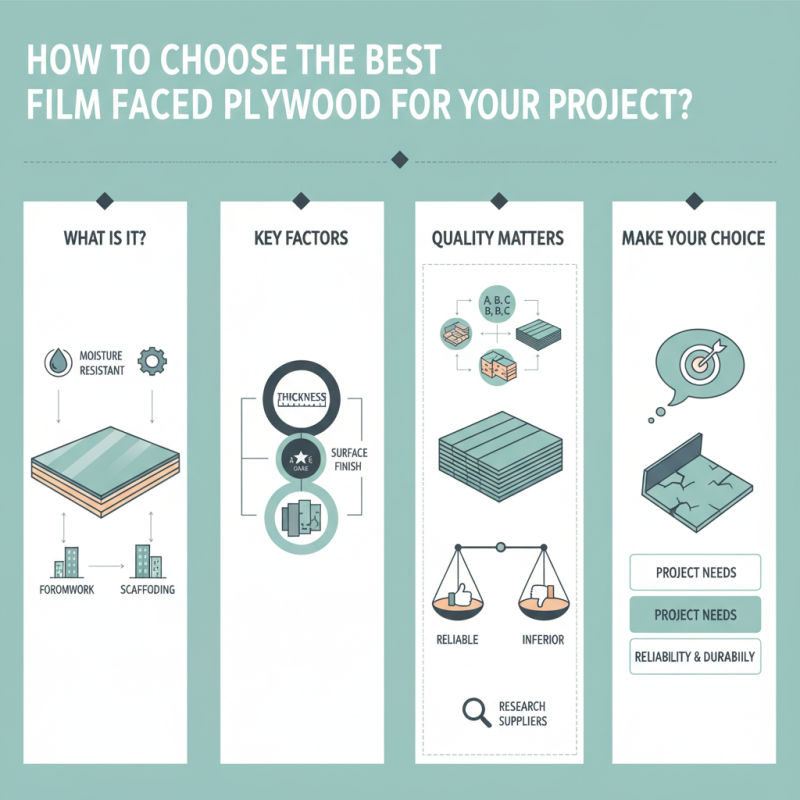
When embarking on a construction project, selecting the right materials is crucial. Film Faced Plywood stands out as a popular choice due to its unique properties. This specialized plywood features a thin film layer that enhances durability and resistance to moisture. It's ideal for formwork and scaffolding in various construction applications.
Choosing the best Film Faced Plywood requires careful consideration of several factors. You need to assess the thickness, grade, and surface finish. Different projects may demand specific characteristics. You might find that not all Film Faced Plywood is created equal. Variations in quality exist and can impact your project’s success.
It's important to research suppliers and their product offerings. Look for manufacturers with a solid reputation and positive customer feedback. Reading reviews can highlight potential drawbacks you might face. Ultimately, your choice should align with your project’s specific needs while ensuring reliability and durability. Choose wisely.
Understanding Film Faced Plywood and Its Applications
Film faced plywood is a versatile material, primarily used in construction and furniture-making. It consists of plywood with a protective film on its surface. This film grants resilience against water, chemicals, and physical wear. As a result, it is popular for concrete formworks and exposed environments.
Its applications are extensive. Builders favor it for its durability in outdoor settings. However, choosing the right type can be challenging. Some film faced plywood might not be suitable for specific climates. Potential buyers should examine both the film quality and wood type. Not all film faced plywood has the same density and moisture resistance.
While film faced plywood is advantageous, it's not flawless. Warping can occur if exposed to extreme conditions. Users must also consider the environmental impact of the materials. It’s essential to reflect on sourcing responsibly. Conducting proper research is crucial. This way, you can select the best option for your project.
Key Factors to Consider When Selecting Film Faced Plywood
When selecting film faced plywood, several key factors come into play. Consider the thickness of the plywood. Industry data indicates that a thickness of at least 18mm is preferable for heavy-duty applications. This thickness ensures durability and prolonged usage. In contrast, lighter options may not withstand harsh conditions, leading to quicker wear and replacement costs.
Surface quality is vital. A smooth surface allows for easy cleaning and maintenance, which is crucial in construction projects. A report by the American Plywood Association highlights that plywood with a high-quality film finish can reduce labor time during installation by up to 30%. This efficiency can result in significant time and cost savings.
Another essential aspect is the adhesive used in the plywood. Water-resistant adhesives enhance durability. It's crucial to verify that the adhesive meets industry standards such as the ANSI/HPVA HP-1. Though many suppliers claim quality, examining third-party certifications can prevent issues down the line. Reliability in supplier claims is often overlooked, yet it can make or break a project.
Types of Film Faced Plywood Available in the Market
When selecting film faced plywood, understanding the types available is crucial. The market offers various grades of film faced plywood. A common choice is the phenolic film faced plywood. This type is known for its durability and resistance to moisture. It is often used in construction and concrete formwork applications.
Another option is the melamine film faced plywood. This type offers a smoother surface, ideal for decorative applications. According to industry reports, melamine films can contribute to a more aesthetically pleasing finish. However, it may not perform as well under heavy-duty conditions. The cost-effectiveness of each type should also be evaluated.
Additionally, researchers note that the thickness of the plywood can impact its performance. Thicker panels tend to withstand more stress. However, they are also heavier and may increase transportation costs. Ultimately, it is essential to assess both the functional requirements and the aesthetic goals of your project. Make sure to weigh the pros and cons of each type carefully.
Types of Film Faced Plywood Available in the Market
Evaluating Quality: What to Look for in Film Faced Plywood
When selecting film faced plywood, quality evaluation is crucial. Industry reports suggest that over 30% of construction projects fail due to material-related issues. Understanding the specifics can prevent costly mistakes. Key factors to consider include the type of film used, the thickness of the plywood, and the quality of the adhesive. These elements significantly affect the board's durability and performance under various conditions.
The film's surface should be smooth and consistent. A thicker film often means better resistance to water and abrasion. According to data from construction quality surveys, plywood with a thickness of 18mm or more exhibits superior performance in high-stress applications. Adhesive quality is another critical aspect. Use of low-grade adhesives can lead to delamination under pressure, impacting structural integrity. Ensuring the plywood complies with local and international standards is essential for optimal performance.
Pay attention to product certifications. Loading restrictions, climate effects, and exposure to moisture can all alter performance. A product may look perfect but may not suit your specific project needs. It is important to research and consult experts to ensure your choice aligns with your requirements. Reinforcing your understanding of these aspects can lead to better long-term investments in your construction projects.
How to Choose the Best Film Faced Plywood for Your Project? - Evaluating Quality: What to Look for in Film Faced Plywood
| Criteria | Description | Importance |
| Plywood Grade | Choose a higher grade for better durability and surface finish. | High |
| Film Type | Select high-quality melamine or phenolic films for superior waterproofing. | High |
| Thickness | Opt for thickness that suits load-bearing requirements of your project. | Medium |
| Moisture Resistance | Assess moisture resistance for projects exposed to humidity. | High |
| Surface Smoothness | Look for a smooth surface to ensure better finishing results. | Medium |
| Environmental Certifications | Check for certifications like FSC to ensure sustainability. | Medium |
Comparing Cost vs. Performance in Film Faced Plywood Selection
When choosing film faced plywood, cost and performance go hand in hand. The right balance can greatly affect project outcomes. A study by the Plywood Association indicates that high-quality film faced plywood can last up to 25% longer than cheaper alternatives. While the upfront cost may be higher, this plywood often saves money in the long run through reduced replacement frequency.
Performance factors are equally crucial. For instance, films with higher density provide better moisture resistance. Research shows that plywood treated with high-quality films can withstand extreme weather conditions. This durability is essential for projects exposed to outdoor elements. Choosing less expensive options may lead to frequent replacements, which quickly diminishes initial savings.
Yet, not all projects require top-tier products. Reflect on your specific needs. Assess where compromise might be necessary. The project type dictates material requirements. If you’re unsure, consult industry reports. The data can guide you to make an informed decision. Performance should never be sacrificed solely for cost-efficiency. Evaluate both aspects closely for the best outcomes.