How to Choose the Best CNC Accessories for Your Projects?
Choosing the right CNC Accessories can define the success of your projects. Jerry Smith, a renowned expert in the CNC industry, once stated, “The best accessories enhance your machine's capabilities.” This insight highlights the importance of selecting quality components that truly complement your CNC setup.
CNC accessories are not just optional add-ons; they are essential tools. They improve precision, efficiency, and ease of use. However, many users choose accessories based on trends or recommendations without proper research. This approach can lead to wasted resources and subpar results. Understanding the specific demands of your projects is crucial in this process.
Consider the material you will work with and the types of cuts needed. A good accessory can make a significant difference in performance. Each piece has distinct features. Remember, the right choice can elevate your craftsmanship, while poor decisions may hinder your creativity and results. Learning from past selections is vital for improvement.
Understanding the Importance of CNC Accessories in Projects
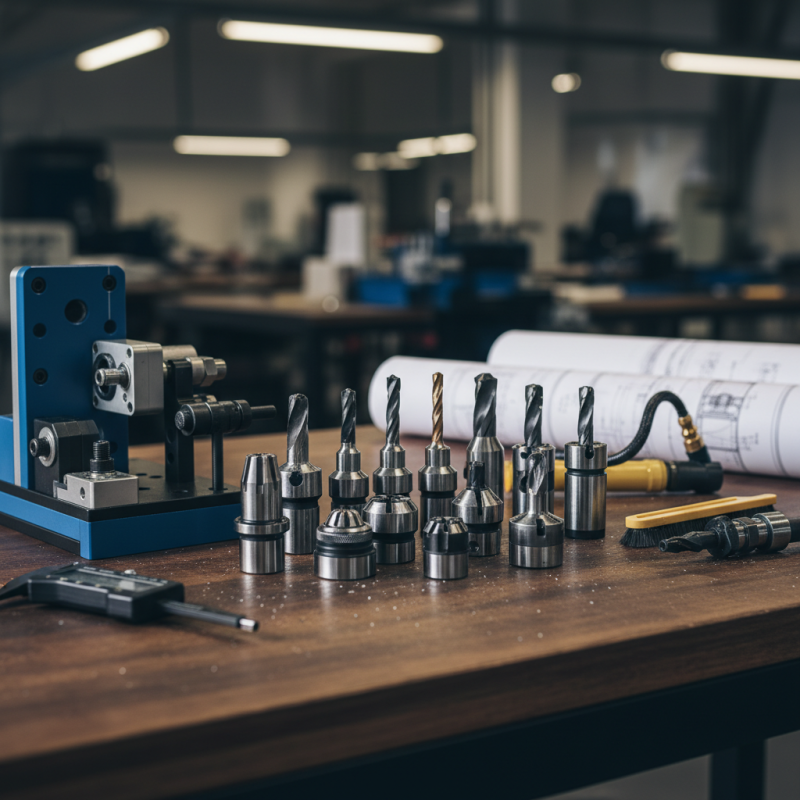
CNC accessories play a crucial role in the success of your projects. They enhance the capabilities of your CNC machine, allowing for greater precision and versatility. Without the right accessories, even the best machines can underperform. Think about the difference a quality tool holder or a reliable cutting tool can make. Such items ensure smoother operation and better results.
Choosing the right accessories isn't easy. The options can be overwhelming. For example, clamps are essential for securing your workpiece. However, choosing the wrong type can lead to accidents or subpar cuts. You need to consider size and material. Some people overlook the importance of maintenance tools, which can greatly extend the life of your CNC equipment. Regularly checking wear and tear can save you money in the long run.
It's normal to make mistakes while selecting accessories. Sometimes, you might choose items that don't fit quite right or aren’t compatible. Learning from these missteps can help refine your choices in the future. Pay attention to feedback from your projects. Reflect on what works well and what doesn’t. This ongoing process will boost your efficiency and improve the quality of your work over time.
Identifying Your CNC Machine Specifications and Requirements
When selecting CNC accessories, understanding your machine's specifications is crucial. Different machines have varied capacities, so knowing yours helps narrow down options. Check your machine's size, power, and compatibility. A small router may not handle heavy-duty accessories well. Here, less is often more. Basic tools can be overlooked, but they may boost your project’s efficiency.
Pay attention to the types of materials you will use. Some accessories work better on wood, while others excel with metals. Do you often change material types? That can guide your choices. Accessory quality matters too. Cheaper options might wear out quickly, leading to frustration and waste of time. Prioritize durability over savings, even if it means spending a bit more.
Sometimes, users feel overwhelmed by too many choices. It’s easy to get lost in specifications. Regularly reassessing your needs helps. Can you simplify your setup? Fewer, high-quality accessories often yield better results. Reflect on past projects; what worked well? What didn’t? Your experiences will inform future selections.
Evaluating Different Types of CNC Accessories Available
When evaluating CNC accessories, you face numerous choices. It’s essential to match the accessories with your specific projects. You might require different tools for wood, metal, or plastics. Each material responds uniquely to various accessories. For example, some bits are excellent for softer materials, while others are designed for harder substances.
You also need to consider tool holders and collets. They can greatly influence precision and durability. Poor quality holders can lead to vibrations. This might result in inaccuracies. It’s an area where many overlook the importance. Likewise, dust collection systems are often underestimated. A clean workspace enhances both safety and visibility, but many users neglect this aspect.
Software compatibility is another crucial factor. Not all accessories work seamlessly with every software. You may find this out the hard way after purchasing new accessories. You should also reflect on your skill level. Advanced accessories may be challenging for beginners, leading to frustration and wasted materials. Balancing your experience and the complexity of the accessories can help improve your project outcomes.
Comparing Quality and Cost of CNC Accessories on the Market
When it comes to CNC accessories, quality and cost are often at odds. Many users gravitate towards cheaper options, hoping to save money. However, this can backfire. Low-cost accessories might wear out faster or fail to deliver precise results. For instance, a low-quality end mill could result in poor surface finishes and inaccuracies in cutting. This emphasizes the need for careful evaluation.
Investing in high-quality accessories can lead to better performance. However, they usually come with a higher price tag. This creates a dilemma for many makers. Is it wiser to spend more upfront or stick to a tighter budget? Research shows that spending slightly more can enhance durability and performance. Take the time to assess user reviews. Look beyond price tags to understand underlying quality. Some affordable options may surprise you with their performance.
Choosing the right CNC accessories requires reflection and decision-making. Consider balancing cost against the potential for failure. Reflect on previous projects where poor accessories caused delays. Strive for a blend of affordability and quality for long-term success. The right choice can significantly impact your projects' overall success.
Tips for Making the Final Decision on CNC Accessory Purchases
Choosing the right CNC accessories can be a daunting task. To make the best decision, it’s essential to narrow down your options. Think about your specific project needs before diving in. Are you focusing on precision? Or is speed more important? These questions matter.
Consider these tips for your purchases. First, evaluate the compatibility of accessories with your CNC machine. Mismatched parts could hinder performance. Second, weigh the importance of quality versus cost. Cheaper options often break, leading to potential delays and frustration. Don't ignore these factors when shopping.
Lastly, think about versatility. Some accessories are multi-functional and can adapt as your projects change. This adaptability can save you money long-term. Reflect on your current and future needs, and choose wisely. Balancing these aspects can significantly impact your CNC projects.