Why Choose Metal Wire Mesh for Your Industrial Needs?
In the industrial sector, selecting the right materials can significantly impact efficiency and safety. Metal wire mesh has emerged as a favored choice across various applications. According to a recent report by Global Industry Analysts Inc., the metal wire mesh market is projected to reach $8.5 billion by 2026, reflecting a growing demand in construction, filtration, and safety applications.
Expert in the field, Dr. Sarah Thompson, notes, "Metal wire mesh combines strength and versatility, making it essential for modern industrial applications." Its durability under extreme conditions makes metal wire mesh suitable for tasks ranging from structural support to filtration systems. Many companies overlook its benefits, losing out on enhanced performance and cost-effectiveness.
Moreover, the adaptability of metal wire mesh allows for customization, which is crucial in meeting diverse industrial needs. Companies must assess their specific requirements before opting for alternatives. However, relying on metal alone may not always provide comprehensive solutions. A balanced approach involving diverse materials could yield better results. Self-reflection on these choices is essential for future innovation.
Understanding the Basics of Metal Wire Mesh in Industry
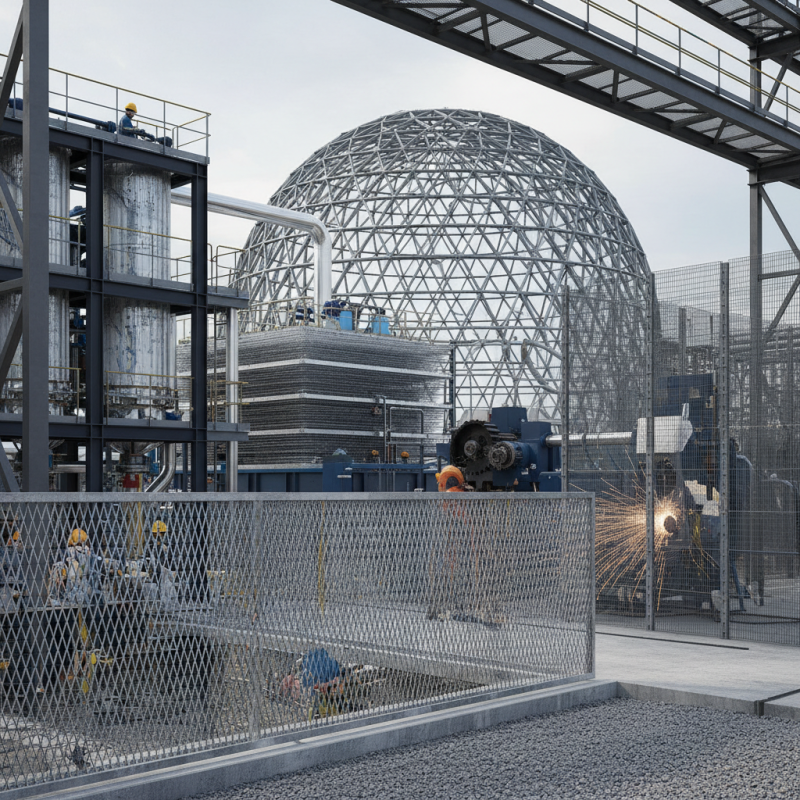
Metal wire mesh plays a vital role in various industrial applications. Its versatility and strength make it a preferred choice in sectors like construction, agriculture, and manufacturing. A recent industry report suggests that the global wire mesh market is expected to reach over $8 billion by 2025, reflecting its growing importance in industrial processes.
Understanding the basics of metal wire mesh involves recognizing its various types. Common types include welded wire mesh, woven wire mesh, and expanded mesh. Each type has unique properties suited for different tasks. For instance, welded wire mesh offers excellent structural integrity, making it ideal for concrete reinforcement in construction. Woven wire mesh, on the other hand, is often used for filtration applications due to its precise apertures. Yet, choosing the right type can be challenging, as requirements may vary significantly across projects.
Moreover, the durability of metal wire mesh is noteworthy. It can withstand various environmental factors, including heat and corrosion. However, not all wire meshes are created equal. Some may require protective coatings to enhance their longevity, particularly in harsh environments. Industry experts suggest conducting thorough evaluations and testing before selecting a wire mesh solution. Understanding these aspects can lead to better decision-making and increased efficiency in industrial applications.
Usage of Metal Wire Mesh in Various Industries
This bar chart illustrates the percentage usage of metal wire mesh across different industrial sectors. As shown, the aerospace and construction sectors are the highest users, highlighting the material's versatility and critical role in various applications.
Key Advantages of Using Metal Wire Mesh in Industrial Applications
Metal wire mesh is becoming a popular choice in various industrial applications. It offers numerous advantages that make it an essential material for many businesses. One key benefit is its durability. Metal wire mesh is often more resistant to wear and tear than alternatives. This resistance results in longer-lasting materials that reduce overall replacement costs.
Another significant advantage is versatility. Metal wire mesh can be manufactured in different sizes and configurations. This flexibility allows it to meet diverse needs, from filtration to security. Industries can easily customize wire mesh for specific projects. It can be used in construction, agriculture, and even food processing. Additionally, the ease of maintenance adds to its appeal. Regular cleaning keeps it functional and efficient.
However, not all metal wire mesh is the same. Quality can vary, and research is essential before making a decision. Choosing the right type requires understanding the specific application. Some projects might not need the strongest materials, while others do. Reflecting on these needs can lead to better decision-making and improved outcomes.
Common Types of Metal Wire Mesh and Their Uses in Various Industries
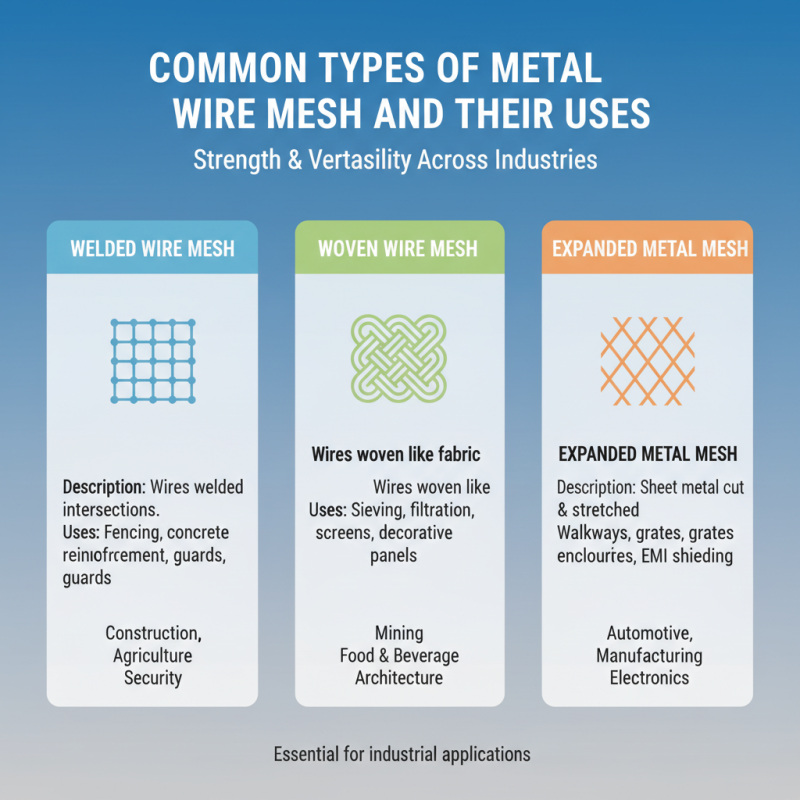
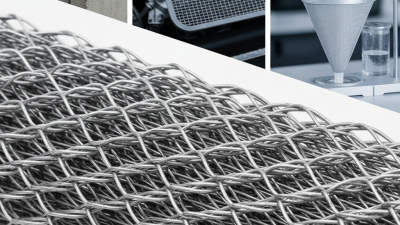
Metal wire mesh is essential in various industrial applications due to its strength and versatility. Common types include welded wire mesh, woven wire mesh, and expanded metal mesh. Each type serves unique purposes across different sectors.
Welded wire mesh is widely used in construction and agriculture. It provides structural integrity and supports load-bearing applications. According to a recent market report, the global welded wire mesh market is expected to reach $4.2 billion by 2025, highlighting its growing importance.
Woven wire mesh, on the other hand, is often found in filtration systems and screens. Its flexibility allows it to adapt to various sizes and shapes. Industries such as food processing and chemical manufacturing rely heavily on woven mesh for efficient filtration. Meanwhile, expanded metal mesh is favored for safety and security applications. It offers durability while allowing airflow and visibility without compromising strength.
While these materials are highly effective, their performance can vary based on conditions. Proper selection is crucial for optimal results. Understanding the specific needs of each application is vital for choosing the right wire mesh type. As industries evolve, ongoing research and innovation will drive the future of metal wire mesh solutions.
Factors to Consider When Choosing Metal Wire Mesh for Your Needs
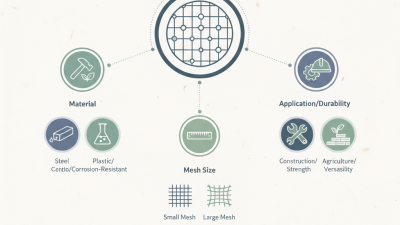
When selecting metal wire mesh for industrial applications, several factors come into play. The material type is vital. Stainless steel offers corrosion resistance, while carbon steel provides strength. Your specific needs dictate the best choice. Consider the mesh size too. Smaller openings provide better filtration, but may reduce airflow. Larger openings can enhance flow but might allow unwanted particles through.
Tips: Always assess your project's environmental conditions. If moisture or chemicals are present, stainless steel may be the better option.
Another crucial factor is the wire diameter. Thicker wires improve strength and durability. However, they can also increase the overall weight. Think about
installation and handling. It’s important to balance strength with practicality.
Finally, consider your budget. Sometimes, advanced materials come with a price. Assess the long-term benefits versus immediate costs. Reflect on how often you’ll need replacements. Regular maintenance can also add to costs.
Tips: Take time to consult with industry experts. Their insights can save you money and headaches in the long run.
Maintenance and Longevity of Metal Wire Mesh in Industrial Settings
Metal wire mesh is increasingly favored in industrial applications due to its durability and low maintenance. Data from industry reports indicate that metal wire mesh can last significantly longer than other materials. For instance, while plastic mesh typically lasts around five years, metal mesh can endure for over 15 years with proper care. This longevity makes it a cost-effective option for businesses.
In industrial settings, regular maintenance can enhance the lifespan of metal wire mesh. Cleaning the mesh periodically ensures that debris does not impede its performance. Failing to do so can lead to issues, such as corrosion or clogs, which may require costly replacements. A study found that neglecting maintenance can reduce the effective life of metal wire mesh by at least 30%. Regular inspections help catch potential issues early.
Moreover, metal wire mesh offers excellent resistance to various environmental factors. It withstands extreme temperatures and corrosion better than plastic alternatives. Nevertheless, it is crucial to note that welding spots or joints can become weak over time. Regular checks on these areas can prevent unexpected failures. A proactive approach to maintenance ensures that metal wire mesh remains reliable and effective across various industrial applications.
Why Choose Metal Wire Mesh for Your Industrial Needs?
| Feature |
Description |
Advantages |
| Durability |
Metal wire mesh is resistant to wear and tear, making it ideal for high-traffic industrial areas. |
Longer lifespan reduces replacement costs. |
| Low Maintenance |
Requires minimal upkeep compared to other materials. |
Saves time and labor costs. |
| Versatility |
Can be used in various applications, including fencing, flooring, and filtration. |
Adapts to different industrial needs. |
| Corrosion Resistance |
Special coatings available to withstand harsh environments. |
Increases longevity in chemical or moist settings. |
| Safety |
Can provide security and safety fencing options. |
Enhanced worker protection and site security. |