Why Choose an Electric Passenger Tricycle for Your Business?
In recent years, the electric passenger tricycle has gained immense popularity in urban transportation. According to a report by the Electric Vehicle Association, the market for electric passenger tricycles is projected to grow at a rate of 10% annually. This trend reflects a shift towards sustainable and efficient transport solutions.
Industry expert Dr. Emily Chen states, “Electric passenger tricycles not only reduce emissions but also enhance mobility for businesses.” Her insights highlight the advantages of these vehicles. They are more versatile than traditional methods. Many businesses are finding that integrating an electric passenger tricycle into their operations reduces costs and improves customer satisfaction.
Despite their benefits, some companies hesitate to make the switch. Concerns about initial investment and maintenance costs are common. However, with available grants and incentives, the transition can be more feasible than expected. As urban areas grow, the electric passenger tricycle could prove essential for businesses aiming for efficiency and eco-friendliness.
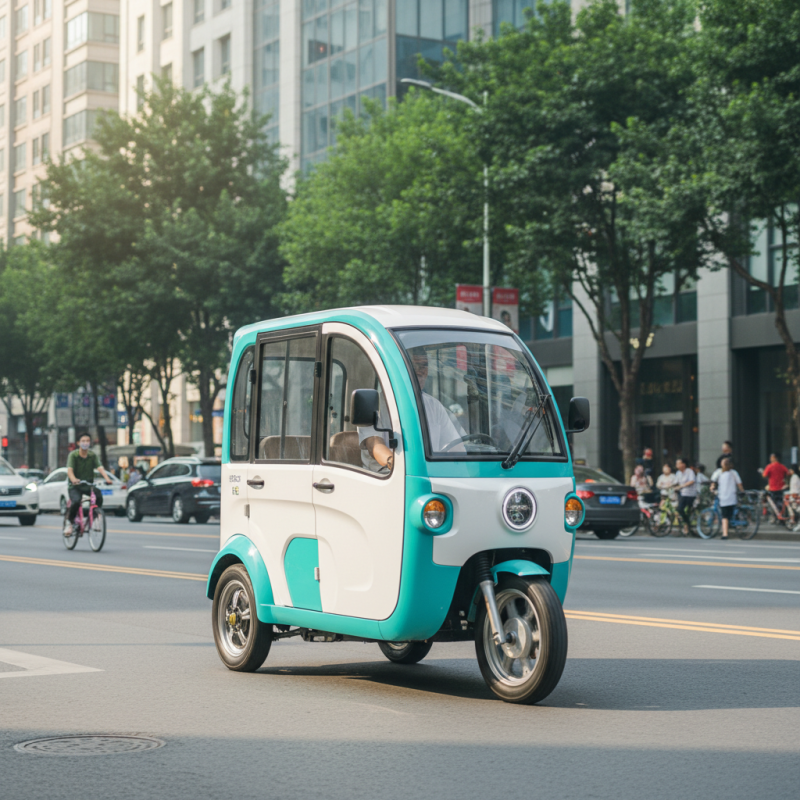
Benefits of Electric Passenger Tricycles for Business Operations
Electric passenger tricycles are transforming business operations. They offer a unique blend of efficiency and sustainability. With growing environmental concerns, businesses are actively seeking eco-friendly alternatives. Electric tricycles provide a green mode of transport. They help reduce carbon emissions and reduce urban traffic congestion. They're especially effective in densely populated areas.
Cost-effectiveness is another significant benefit. Electric tricycles typically have lower operating costs than cars or buses. Fuel savings can be substantial. Maintenance is often simpler and less expensive, too. Businesses can also attract eco-conscious customers by adopting electric vehicles. This can enhance their brand image and increase customer loyalty.
However, there are challenges to consider. The initial investment for electric tricycles can be higher than traditional vehicles. Charging infrastructure may be underdeveloped in some regions. Range limitations might also affect operations in larger cities. Businesses need to evaluate whether the benefits outweigh these challenges. Ultimately, adapting to new transport modes requires ongoing reflection and adjustment.
Cost Efficiency and Savings with Electric Tricycles Over Traditional Vehicles
Electric passenger tricycles are becoming popular for businesses seeking cost efficiency. These vehicles offer lower operational costs compared to traditional cars. Maintenance for electric tricycles is often simpler and cheaper. They have fewer moving parts, which means less wear and tear. Some businesses might initially hesitate due to higher upfront costs. However, the long-term savings are significant.
Fuel costs are another area where electric tricycles shine. Charging an electric tricycle is typically less expensive than refueling a gas vehicle. Many businesses overlook the savings in electricity versus gasoline prices. Additionally, electric tricycles can often qualify for government incentives. This can add to their financial appeal. The savings may not be apparent at first, but they accumulate over time.
Noise levels are another point worth considering. Electric tricycles operate quietly, making them ideal for urban environments. However, some may find the limited speed challenging for certain business needs. This is an aspect that requires careful evaluation. Before making a decision, businesses should weigh all factors. It’s essential to consider how electric tricycles fit into specific operational requirements.
Environmental Impact: Sustainable Choices with Electric Tricycles
Electric passenger tricycles are not just a transportation solution. They are an effective way to reduce environmental impact. Unlike traditional vehicles, electric tricycles produce zero emissions during operation. This feature makes them a vital choice for eco-conscious businesses.
Deploying electric tricycles can significantly lower air pollution in urban areas. Many cities suffer from congested roads and harmful pollutants. By opting for electric transport, businesses can contribute to cleaner air. For example, using these tricycles during deliveries can help alleviate traffic congestion.
However, challenges remain. While electric tricycles are sustainable, the initial investment can be steep. Businesses need to assess cost-effectiveness over time. Battery technology, range, and charging infrastructure also play crucial roles. Balancing these factors is essential for informed decision-making.
Environmental Impact of Electric Passenger Tricycles
Versatility and Customization Options for Business Needs
Electric passenger tricycles have gained traction in recent years due to their versatility. Businesses can utilize these vehicles for various applications, from delivery services to tourist transport. A report from the International Energy Agency indicates that electric vehicle sales surged by 40% in the last year alone. This trend highlights growing acceptance and demand for sustainable transport options in urban settings.
Customization is key for businesses to meet their specific needs. Electric tricycles can be tailored with different cargo capacities and seating arrangements. For instance, a study by the European Commission found that businesses and consumers alike prioritize adaptable designs. Features like solar panels or battery upgrades further enhance functionality. On the flip side, ensuring that these customizations align with local regulations can be a challenge.
Despite their benefits, businesses should also consider the limitations. For example, battery life can be a concern during peak operational hours. Proper planning is essential for routes and charging stations. Adapting to a new mobility system requires ongoing evaluation and adjustments. Investing in electric tricycles may improve efficiency, but it also demands careful management of resources and expectations.
Enhanced Customer Experience with Electric Passenger Tricycles
Electric passenger tricycles significantly enhance the customer experience. They offer a smooth and enjoyable ride. Passengers appreciate the comfortable seating and spacious design. The quiet operation adds to the relaxed atmosphere. People often choose these tricycles for sightseeing tours or airport transport. The leisurely pace encourages interaction between drivers and passengers.
In busy urban areas, congestion can be a problem. Electric tricycles can navigate through traffic easily. This agility means faster service for your customers. Also, the eco-friendly aspect resonates well with many. Passengers feel good knowing they're contributing to sustainability. Adding smart features, like GPS and charging ports, can elevate the experience further.
Despite these advantages, there are challenges. Maintenance can be trickier than expected. Ensuring safety features are up to date is essential. Training drivers in customer service can present issues. It requires time and resources, which not all businesses may have. However, when managed well, the benefits often outweigh the drawbacks.