Why Choose Cable Mesh for Your Project Needs?
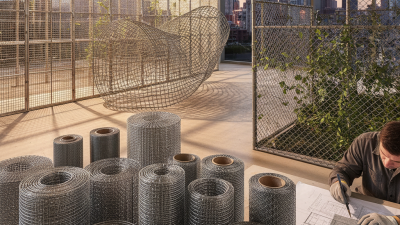
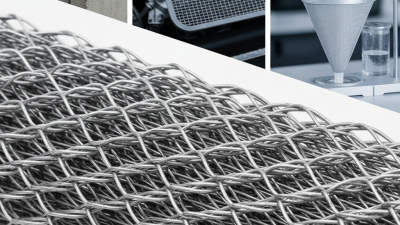
When considering materials for your project, cable mesh stands out as a versatile option. This strong and flexible support system serves various industries, including construction and landscaping. Its design allows for efficient load distribution, making it ideal for a range of applications.
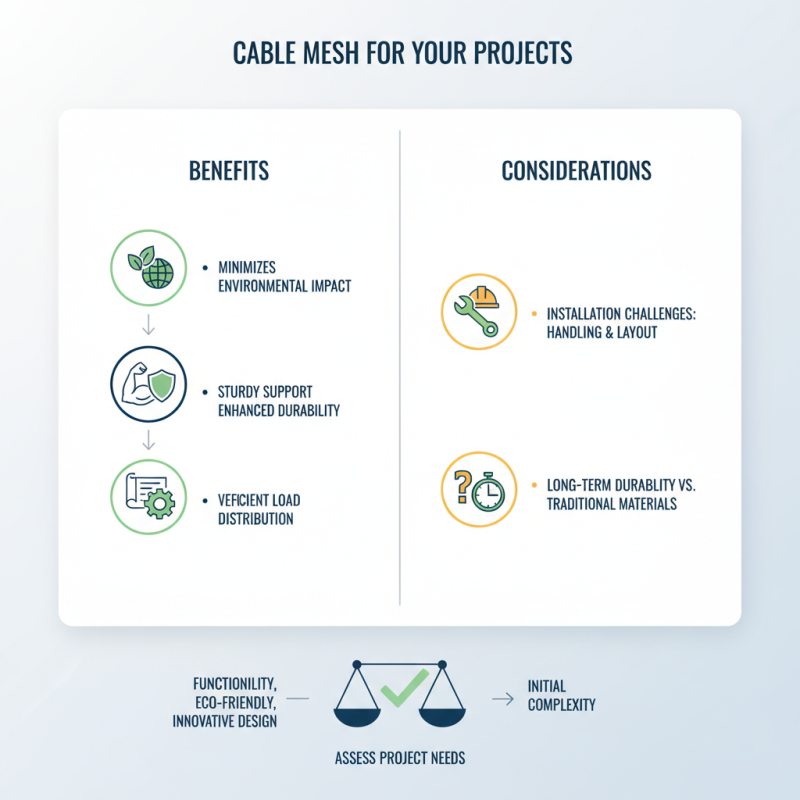
The benefits of cable mesh are numerous. It minimizes environmental impact while providing sturdy support. Projects utilizing cable mesh often experience enhanced durability. However, some challenges can arise during installation. Proper handling and layout are essential for optimal results.
Choosing cable mesh might not be the simplest decision. Some may question its long-term durability compared to traditional materials. Yet, assessing your project's specific needs can clarify its advantages. This material merits consideration for its functionality, environmental benefits, and innovative design.
Benefits of Using Cable Mesh in Construction Projects
Cable mesh has gained popularity in construction for various reasons. Its flexibility allows for easy integration into different project designs. The versatility of cable mesh can support a wide range of applications, from safety barriers to structural supports. It can handle dynamic loads effectively, ensuring durability over time.
Another significant benefit is its lightweight nature. This feature allows for simpler transportation and installation. Reducing overall project costs is crucial, and cable mesh can contribute to those savings. Also, its open structure permits visibility and airflow, making it ideal for both aesthetic and functional purposes. However, one must be cautious. Poor installation can negate these benefits, leading to future repairs.
Cable mesh also offers environmental advantages. It is often made from recyclable materials, reducing waste. Yet, it's important to consider the sourcing of these materials. Not all manufacturers prioritize sustainability. Assessing product origins is vital for projects aiming for eco-friendly solutions. By being mindful of these factors, you can maximize the benefits of cable mesh in your construction project.
Versatility of Cable Mesh in Various Applications
Cable mesh demonstrates remarkable versatility across various applications. It is widely utilized in architectural designs, industrial settings, and even in transportation infrastructure. According to industry reports, the global cable mesh market is expected to grow significantly, driven by increasing demand in construction and safety applications. This growth indicates a rising preference for cable mesh solutions.
In architectural projects, cable mesh acts as a safety barrier while allowing for aesthetic appeal. Its strength and lightweight properties make it suitable for facades and railings. For instance, a study showed that cable mesh can reduce wind load on buildings, enhancing structural safety. In industrial applications, cable mesh is used for equipment enclosures and protective screens. Its durable nature withstands harsh environments, thus ensuring long-term safety.
However, challenges remain. Some users report difficulties in installation and maintenance. Misalignment during setup may lead to ineffective barriers. In addition, exposure to extreme weather can affect the cable mesh’s longevity. Despite these concerns, many still find cable mesh to be an adaptable choice. The industry continues to evolve, seeking improved solutions for durability and ease of use.
Why Choose Cable Mesh for Your Project Needs? - Versatility of Cable Mesh in Various Applications
| Application Area |
Material Type |
Key Benefits |
Typical Uses |
| Construction |
Stainless Steel |
Durability, Corrosion Resistance |
Railing Systems, Facades |
| Agriculture |
Galvanized Steel |
Strength, Lightweight |
Animal Enclosures, Crop Protection |
| Architecture |
Aluminum |
Aesthetic Appeal, Versatility |
Window Screens, Decorative Features |
| Mining |
High-Tensile Steel |
Safety, Longevity |
Safety Barriers, Material Sorting |
| Transport |
Plastic Coated Wire |
Weather Resistance, Impact Resistance |
Bicycle Parking, Public Transport Stations |
Durability and Maintenance of Cable Mesh Solutions
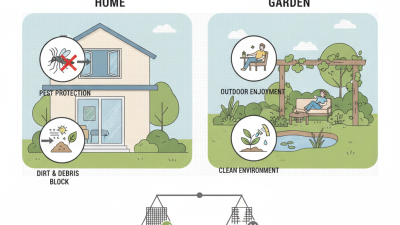
Cable mesh solutions offer impressive durability. They are designed to withstand harsh weather and heavy loads. The materials used for cable mesh are often resistant to corrosion and wear. This makes them ideal for various outdoor applications. They maintain their integrity even in challenging environments.
Maintenance for cable mesh is relatively simple. Regular inspections can prevent bigger issues. Cleaning them occasionally helps to avoid dirt build-up. However, this might require occasional repairs if damaged. It's important to keep an eye on potential weaknesses. Longevity is often dependent on how well one maintains the installation.
Choosing cable mesh means prioritizing strength and versatility. Its lightweight nature can be a double-edged sword. It allows for easy installation but may lead to a need for frequent checks. In some cases, there may be concerns about its aesthetic appeal. Balancing functionality and design is sometimes tricky.
Cost-Effectiveness of Cable Mesh Compared to Alternatives
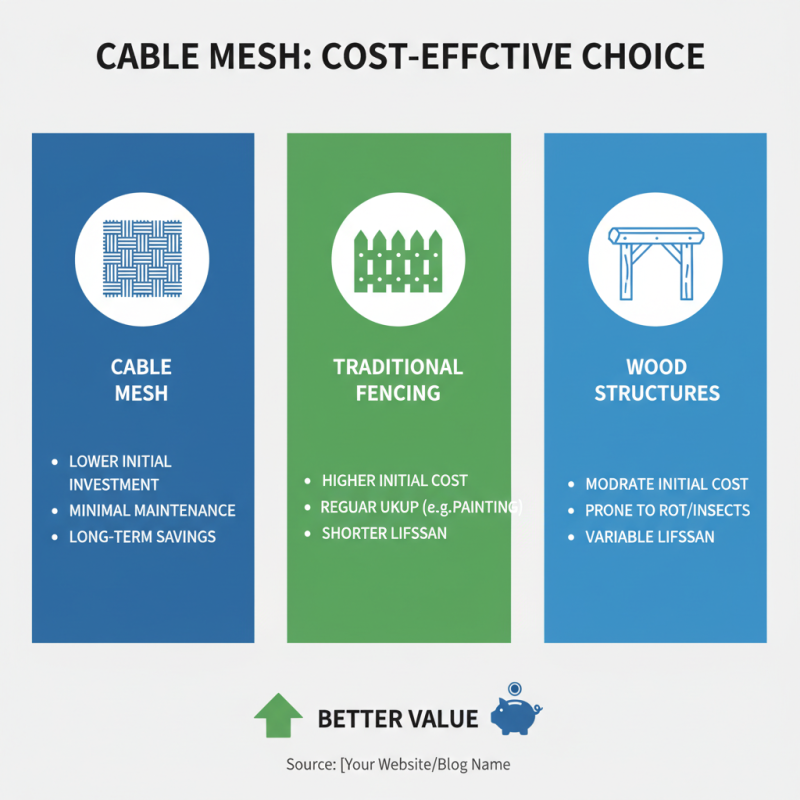
When considering materials for projects, cost-effectiveness plays a crucial role. Cable mesh is emerging as a popular choice for many due to its affordability. Compared to other alternatives, such as traditional fencing or wood structures, cable mesh often presents a better value. The initial investment can save money in the long run. This is largely because its maintenance requirements are minimal.
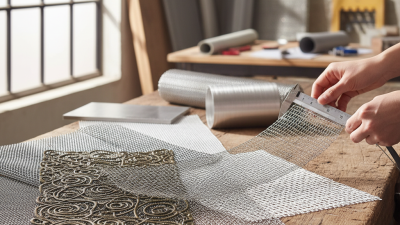
Moreover, the versatility of cable mesh is impressive. It can be used in various applications, from architectural designs to industrial settings. With the flexibility of installation, costs can further decrease, as fewer materials are needed. However, it's important to consider the specific project needs. Not every situation may benefit from using cable mesh. Sometimes, traditional methods offer better durability for certain environments.
While cable mesh offers advantages, it isn't flawless. Some may find it less visually appealing than solid materials. This can be crucial for projects that demand aesthetic value. Therefore, evaluating the balance between cost and appearance is essential. Relying solely on price may lead to unsatisfactory results. Make sure to consider all aspects before making a decision.
Environmental Sustainability of Cable Mesh Materials
Cable mesh materials have become increasingly popular in various construction projects due to their environmental sustainability. Recent industry reports indicate that cable mesh can be made from recycled materials, significantly reducing waste. For instance, approximately 50% of the raw materials used in cable mesh products can be sourced from recycled steel. This reduces the need for new steel production, which is energy-intensive.
The durability of cable mesh also contributes to its sustainable profile. A study published in the Journal of Sustainable Construction states that cable mesh structures can last up to 50 years or more with minimal maintenance. This longevity means fewer resources are needed for replacements. Yet, some projects still overlook the long-term benefits, focusing instead on initial costs.
Moreover, cable mesh has a lower carbon footprint compared to traditional materials. The production of traditional steel components emits significant greenhouse gases. In contrast, using cable mesh can reduce carbon emissions by up to 30%. However, there remains the challenge of ensuring that all stakeholders in a project understand these benefits. Awareness and education about sustainable practices are still lacking in many sectors.