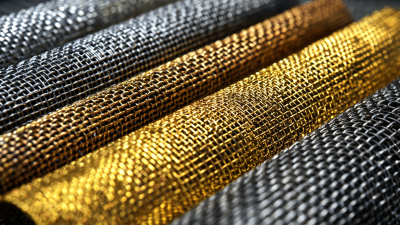
How to Choose the Best Wire Mesh for Your Home and Garden Projects
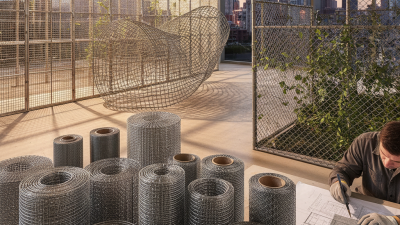
In today's home and garden projects, selecting the appropriate wire mesh can significantly affect both functionality and aesthetic appeal. According to a recent report by the Wire Mesh Manufacturers Association, the demand for wire mesh in residential applications has surged by over 15% in the past five years. This increasing trend highlights the importance of understanding the various types of wire mesh available and their specific applications for gardening, fencing, and structural support.
Industry expert John Smith, a specialist in wire mesh applications, emphasizes the need for careful selection: "Choosing the right wire mesh not only enhances the durability of your projects but also contributes to the overall design and safety of outdoor spaces." Understanding the characteristics of different wire mesh types—including material, gauge, and coating—will empower homeowners and gardeners to make informed decisions that align with their specific needs. As the popularity of DIY projects continues to grow, recognizing how to choose the best wire mesh can lead to successful outcomes that marry both practicality and style in home and garden designs.

Types of Wire Mesh Suitable for Home and Garden Projects
When selecting wire mesh for home and garden projects, understanding the various types available is crucial for achieving the desired outcome. One common type is galvanized wire mesh, which is coated with zinc to resist rust and corrosion. This makes it ideal for outdoor applications such as fencing and garden supports. Its durability allows it to withstand the elements while providing necessary strength and security for your plants and pets.
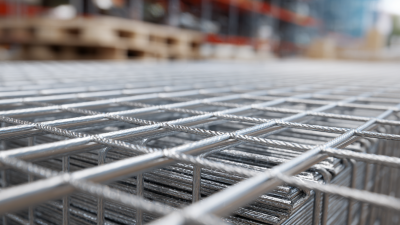
Another popular option is welded wire mesh, known for its sturdy construction and uniform grid pattern. This type of mesh is often used for creating garden trellises or animal enclosures. The welding process enhances its strength, making it suitable for heavy-duty applications, while its various sizes allow it to be tailored to specific project needs. Additionally, plastic-coated wire mesh offers flexibility and a visually appealing look, making it a great choice for decorative garden fencing or plant protection. Each type of wire mesh serves different purposes, ensuring that you can find the perfect fit for your project requirements.
Key Factors to Consider When Choosing Wire Mesh
When selecting wire mesh for your home and garden projects, there are several key factors to keep in mind. The type of material is paramount; galvanized steel is known for its durability and resistance to rust, making it ideal for outdoor use. According to industry research, nearly 65% of landscape professionals prefer galvanized options due to their longevity under varying weather conditions. On the other hand, plastic mesh can be a lightweight alternative suitable for garden fencing or plant support but may not withstand heavy loads or severe weather.
Another important consideration is the mesh size. For gardening purposes, a mesh size of 1 to 2 inches is typically recommended to prevent small animals from accessing your plants while still allowing for proper air circulation. In structural applications, like reinforcing concrete, a tighter mesh may be necessary. It’s crucial to assess the specific requirements of your project to choose the appropriate size that balances security and functionality.
Tips: Always consider the local climate when choosing your wire mesh; certain materials fare better in wetter or harsher environments. Additionally, ensure that the wire's gauge is suitable for the intended use—heavier gauges offer more strength but can be more challenging to work with. Finally, always measure your space accurately before purchasing to prevent under- or over-buying materials.
How to Choose the Best Wire Mesh for Your Home and Garden Projects - Key Factors to Consider When Choosing Wire Mesh
| Mesh Type |
Material |
Wire Diameter (mm) |
Mesh Opening (mm) |
Uses |
Durability |
| Hexagonal Wire Mesh |
Galvanized Steel |
1.0 |
25 |
Garden fencing, poultry enclosures |
High |
| Welded Wire Fence |
PVC Coated Steel |
3.0 |
50 |
Pet enclosures, security fencing |
Very High |
| Chain Link Fence |
Galvanized Steel |
2.5 |
40 |
Perimeter fencing, playgrounds |
High |
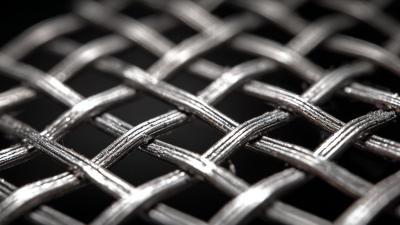
| Stainless Steel Mesh |
Stainless Steel |
1.5 |
30 |
Architectural applications, gardens |
Very High |
| Field Fence |
Galvanized Steel |
2.0 |
30 |
Livestock containment |
High |
Applications of Wire Mesh in Home and Garden Settings
Wire mesh is a versatile material that finds numerous applications in home and garden settings, offering strength, durability, and functionality. In gardens, wire mesh is commonly used for trellising plants and supporting climbing vines. According to the National Gardening Association, approximately 35% of American households engage in gardening activities, and as such, the demand for effective plant support systems has increased significantly. Using wire mesh not only provides the necessary strength to support plant growth but also enhances airflow, reducing the risk of diseases associated with stagnant moisture on foliage.
Additionally, wire mesh plays a crucial role in perimeter fencing and animal enclosures, ensuring safety while allowing for visibility. The American Fencing Association reports a 15% growth in the fencing industry, partially driven by rising interest in home security and livestock management. Various wire mesh types, such as welded and chain-link varieties, are tailored to meet specific needs—from keeping small pets safe to providing a barrier against larger wildlife. The material’s longevity and low maintenance requirements make it an ideal choice for long-term installations in both residential and agricultural projects.
Maintenance Tips for Longevity of Wire Mesh Projects
When undertaking wire mesh projects for your home and garden, it’s essential to prioritize maintenance to ensure longevity and optimal performance. Regular inspections are crucial; studies show that properly maintained wire mesh can last up to 25 years, significantly outperforming poorly maintained options. Checking for signs of rust, corrosion, or wear can prevent small issues from escalating into major repairs or replacements.
To keep your wire mesh in top condition, consider these tips:
- First, clean the surface regularly with a mild detergent and water to remove dirt and debris that may lead to deterioration.
- Additionally, applying a protective coating every few years can help shield the mesh from the elements, particularly if it’s exposed to moisture or extreme weather conditions.
- It’s also wise to reposition or store any movable mesh structures during harsh seasons to prevent unnecessary damage, as research has indicated that such proactive measures can extend the life of your investment significantly.
Lastly, addressing any identified issues promptly can save time and money in the long run. For instance, if you notice broken wires or loose fittings, fixing these problems immediately helps maintain structural integrity. According to industry reports, mesh systems that receive consistent maintenance can achieve performance levels that are 40% higher than those neglected. By adopting a vigilant maintenance routine, you ensure your wire mesh projects not only survive but thrive for years to come.
Where to Purchase Quality Wire Mesh for Your Needs
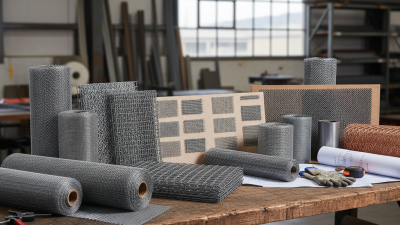
When it comes to purchasing wire mesh for your home and garden projects, quality is paramount. A good starting point is to look for suppliers that specialize in wire mesh products. Online marketplaces, local hardware stores, and gardening centers often offer a variety of options. You can also consider specialty shops that focus on metalwork or supplies for specific projects. Make sure to check customer reviews and ratings to gauge the reliability of the supplier.
Tips: Before making a purchase, it’s essential to assess the specific requirements of your project. Determine the type of wire mesh you need based on factors such as durability, flexibility, and intended use. For instance, if you’re building a garden fence, you might want a heavier gauge wire mesh to withstand the elements. Additionally, consider whether you need a galvanized finish for corrosion resistance, especially if your mesh will be exposed to moisture.
Once you’ve identified potential suppliers, don’t hesitate to reach out for samples or detailed product specifications. This will help you verify the quality and suitability of the wire mesh for your specific applications. Remember, investing in quality wire mesh now can save you money and effort in maintaining your projects down the line.